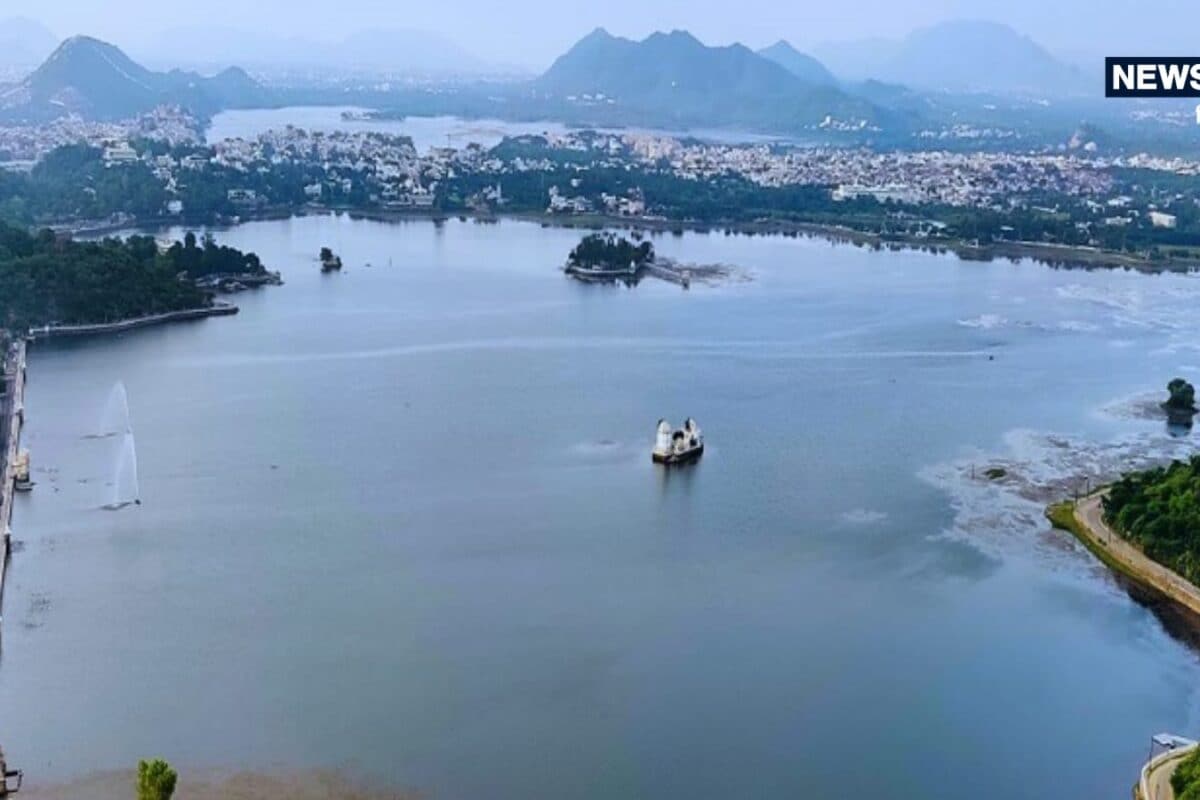
In a decisive move to permanently resolve the lingering water scarcity in the historical tourist hub of Rajasthan, the state administration is rapidly accelerating the construction works of the third and fourth phases of the ambitious Dewas project. Under the visionary leadership of Chief Minister Bhajanlal Sharma, a comprehensive and robust water infrastructure blueprint is being executed to interconnect critical water resources through sophisticated storage dams and extensive tunneling systems. This monumental engineering intervention is specifically designed to fortify the municipal water security of Udaipur district, ensuring that both domestic consumers and vital tourism-driven water bodies receive a stable, uninterrupted, and long-term water supply year-round.
Historically, the picturesque city of Udaipur has grappled with recurring hydrological vulnerabilities due to erratic monsoon patterns and rapidly depleting subterranean aquifers, which historically placed immense strain on its iconic water reservoirs like Pichola and Fateh Sagar. The genesis of the Dewas project lies in decades of meticulous administrative planning aimed at harnessing excess regional catchment runoffs and redirecting them systematically toward parched municipal zones. By conceptualizing successive phases over the years, state engineers and policymakers sought to establish a fail-safe hydrological network that transcends natural geographical barriers through heavy civil engineering, transforming erratic seasonal flows into a reliable perennial resource for the expanding urban population.
Delving into the meticulous technical specifications of the ongoing civil works, the project features two major storage reservoirs currently taking shape under Dewas-Fourth and Dewas-Third phases. Under the Dewas-Fourth phase, a robust dam with an impressive storage capacity of 390 million cubic feet is being constructed near Ambawa, while the Dewas-Third phase entails the speedy construction of another critical dam near Nathiathal possessing a massive capacity of 703 million cubic feet. To seamlessly transport the harvested water across difficult terrains, the engineering blueprint incorporates a vast network of underground tunnels, including a 4.15-kilometer tunnel originating from Ambawa and a 10.50-kilometer tunnel connecting Dewas-Third to Dewas-Second, culminating in a combined tunneling network of 14.65 kilometers.
Local stakeholders, municipal officials, and regional trade representatives have expressed immense optimism regarding the expedited execution of these interconnected hydraulic structures. Civil engineers supervising the site note that the integration of these massive dams and subterranean conduits represents a watershed moment for regional resource management. Community leaders and environmental advocates emphasize that securing a consistent water supply is paramount not only for mitigating domestic drinking water deficits but also for preserving the ecological equilibrium and aesthetic grandeur of the city's globally renowned lakes, which serve as the primary economic lifeline for the hospitality and tourism sectors.
The successful materialization of these infrastructural phases carries profound socio-economic and environmental implications for the broader administrative region, influencing sustainable urban development paradigms. By establishing an engineered conduit for surplus water conveyance, the project alleviates the severe stress traditionally inflicted upon local aquifers during dry spells, fostering a more resilient agricultural and municipal ecosystem. Regional planners observe that infrastructural investments of this magnitude serve as a vital catalyst for balanced economic growth, ensuring that future demographic expansions do not compromise the fundamental ecological integrity or water availability of the district.
At the administrative level, rigorous oversight and continuous monitoring mechanisms have been instituted to ensure that construction milestones are achieved strictly within projected timelines and budgetary frameworks. Senior state bureaucrats and technical committees regularly review the physical progress of the Ambawa and Nathiathal dam sites alongside the intricate tunneling operations across the 14.65-kilometer stretch. This proactive administrative posture underscores the government's unwavering commitment to timely project delivery, transparency, and the systematic elimination of bureaucratic bottlenecks that historically plagued large-scale infrastructural ventures.
Looking toward the forward outlook and public expectations, the comprehensive completion of the Dewas-Third and Dewas-Fourth phases is anticipated to inject approximately 1000 million cubic feet of additional water annually into Udaipur's municipal network. This massive augmentation will permanently alleviate drinking water distress and play a pivotal role in sustaining the optimal water levels of Pichola and Fateh Sagar lakes. As civil works march toward their scheduled culmination, citizens and local authorities alike anticipate a new era of absolute water security and sustainable ecological preservation for the region.