
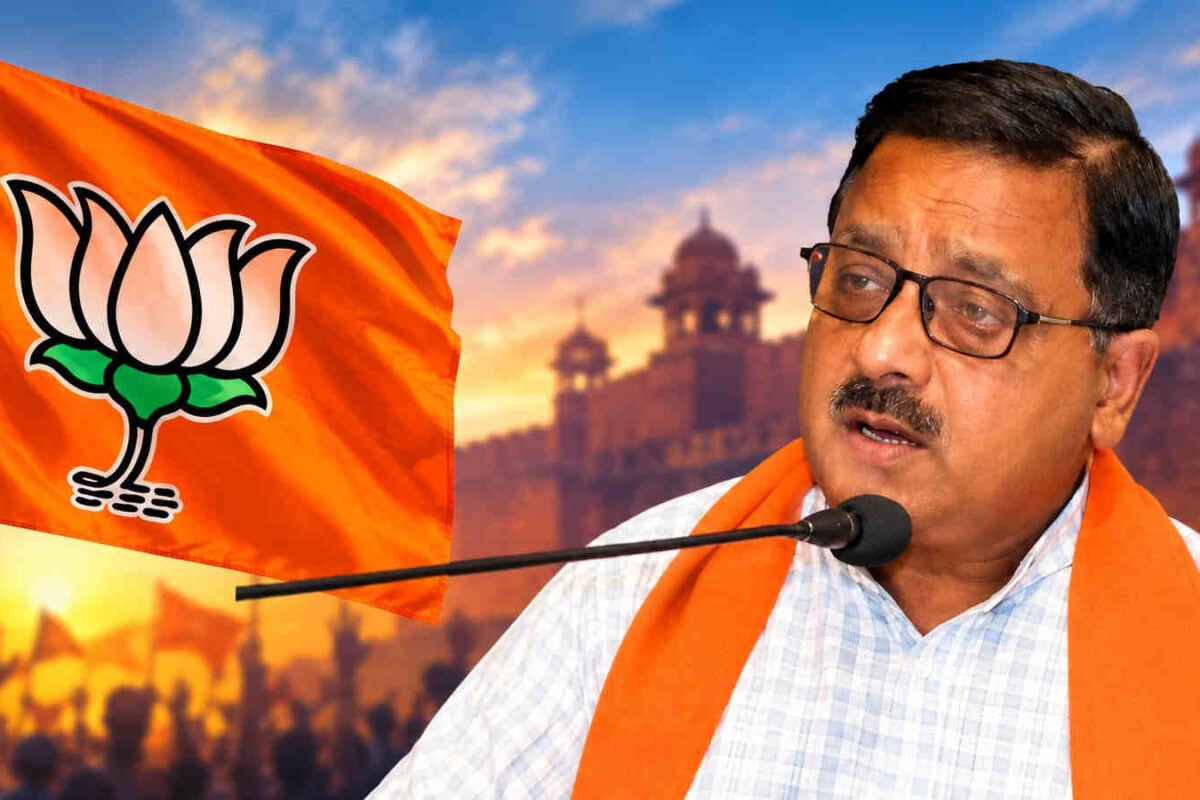
In a major political development concerning the state organizational structure, the Bharatiya Janata Party has officially replaced its Rajasthan in-charge. Radha Mohan Das Agarwal, who held the crucial responsibility for approximately two and a quarter years, has been relieved of his duties. Moving forward, the charge of the crucial state has been entrusted to senior leader Sanjay Bhatia, known for his political acumen and organizational background in neighboring Haryana.
The leadership transition follows prolonged internal discussions regarding organizational efficiency and command alignment within the state unit. Observers note that during his tenure, Radha Mohan Das Agarwal faced challenges in establishing seamless coordination with various factions of the Rajasthan organizational machinery. The friction between the central directive framework and the regional cadre required urgent corrective measures from the central high command.
Political analysts and party insiders have pointed out that public statements made by Radha Mohan Das Agarwal during his tenure did not always align with the official line, causing discomfort within party ranks. The leadership felt that such commentary detracted from the core developmental and political messaging. Consequently, these recurring communicative discrepancies contributed heavily to the decision by the central leadership to recalibrate the state leadership portfolio.
Stakeholders across the party apparatus have shared diverse perspectives on this abrupt yet calculated shift. While grassroots workers value strict discipline and unified messaging, regional functionaries emphasized the importance of consultative decision-making. The entry of Sanjay Bhatia is viewed by many as a strategic effort to mend communication gaps, streamline operational protocols, and foster a more harmonious working environment among party workers and leaders alike.
The regional impact of this organizational reshuffle extends directly to districts such as Kotputli-Behror, where local party units heavily depend on clear directives from the state headquarters. A cohesive leadership at the helm ensures that local mobilization efforts, developmental outreach, and community engagement proceed without internal friction. Party workers in rural and urban pockets alike are closely monitoring how the new leadership under Sanjay Bhatia will address local administrative coordination.
Administrative oversight and internal grievance redressal mechanisms are expected to be reviewed under the incoming leadership. The central party leadership anticipates that Sanjay Bhatia, leveraging his extensive organizational experience, will implement structured protocols to bridge the gap between grassroots workers and senior policymakers. This oversight aims to reinforce the party's foundational discipline and administrative coherence across all hierarchical levels.
Looking forward, the upcoming political calendar requires absolute unity and precise communication from the party cadre. The transition period is expected to be managed swiftly to avoid any disruption in ongoing organizational programs. Public expectations remain focused on how the new in-charge will navigate factional dynamics and steer the state unit toward enhanced electoral and administrative preparedness in the future.