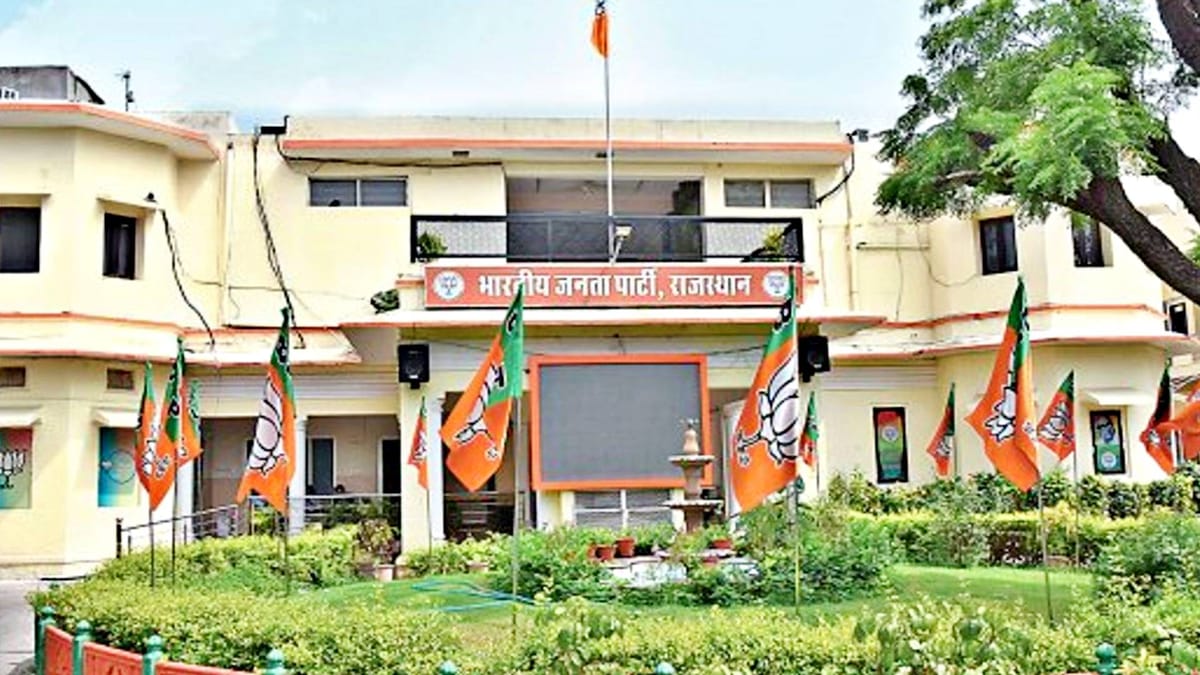
The political landscape of Rajasthan is witnessing heightened activity as the Bharatiya Janata Party officially accelerates its preparatory framework for the upcoming panchayat elections across the state. Demonstrating a proactive approach toward grassroots mobilization, the party leadership has announced a structured series of worker meetings spanning twenty-three districts over a crucial three-day period from September 30 to October 2. This extensive outreach is designed to fortify the internal organizational structure and streamline campaign strategies well ahead of the formal electoral notification.
Historically, panchayat and local body elections serve as the foundational bedrock for political parties in rural Rajasthan, establishing direct connectivity with village communities and influencing wider legislative trends. Recognizing the strategic importance of rural governance, the state leadership has consistently emphasized robust booth-level management and active participation from rural party cadres. The current scheduling of district-level reviews stems from an ongoing assessment of organizational needs, ensuring that all local units remain aligned with overarching state objectives.
During this intensive three-day schedule, five prominent national and state-level office-bearers will personally travel to the designated twenty-three districts to interact directly with local functionaries, mandal presidents, and grassroots workers. These leaders will conduct exhaustive reviews of party preparedness, membership drives, and the formation of booth committees. The logistical scope of this campaign requires meticulous coordination to ensure that every district headquarters receives targeted oversight and strategic guidance from senior party figures.
Local political analysts, party workers, and community representatives have expressed diverse viewpoints regarding the strategic timing of these organizational meetings. While senior party strategists maintain that early preparation is essential for seamless campaign execution, grassroots workers emphasize the importance of addressing local developmental concerns during these district sessions. Stakeholders across rural sectors anticipate that these interactions will provide an effective platform to voice community expectations and align local governance priorities with the party's electoral manifesto.
The regional impact of this extensive political mobilization is expected to resonate significantly across various administrative zones, including the Kotputli-Behror district and surrounding rural areas. As party officials convene meetings to evaluate local dynamics, local businesses, agrarian communities, and local leadership will observe how organizational decisions translate into grassroots development initiatives. The strengthening of party machinery at the district level invariably influences local economic discourse, civic engagement, and community participation in rural governance.
In tandem with political preparations, district administrations and statutory election authorities continue to monitor the administrative prerequisites for the forthcoming panchayat polls. While political entities focus on internal alignments and worker mobilization, civil authorities are simultaneously reviewing electoral rolls, polling station demarcations, and security arrangements required for conducting peaceful elections. This dual track of political strategy and administrative oversight ensures that the electoral machinery operates efficiently.
Looking ahead, the conclusion of these district-level meetings on October 2 will mark a critical milestone in the Bharatiya Janata Party's electoral roadmap for Rajasthan. The findings and feedback gathered by the five national and state office-bearers during the three-day outreach will be compiled into a comprehensive report to guide subsequent campaign phases. Public expectations remain high as political parties intensify their outreach, setting the stage for a deeply competitive and politically charged electoral season across the state's rural constituencies.