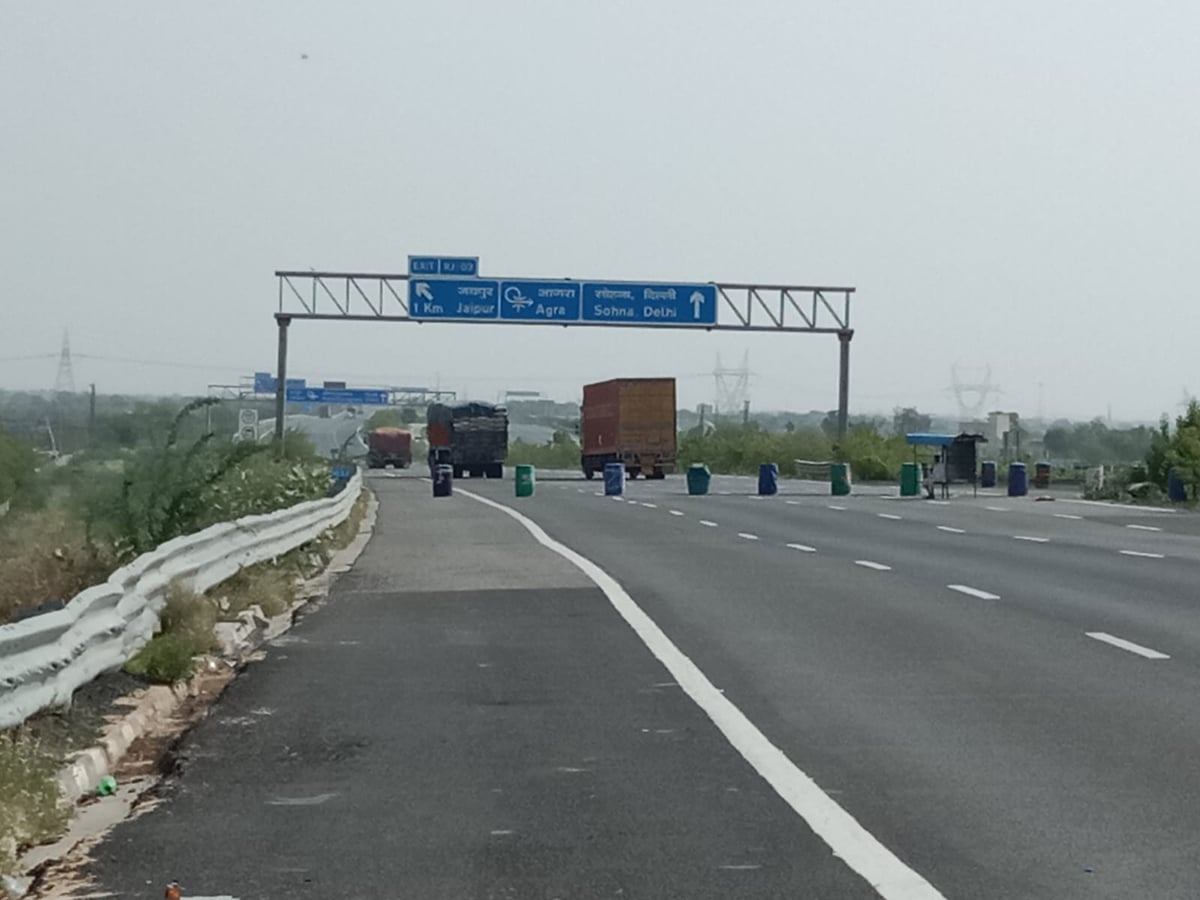
In a major infrastructural development for the state of Rajasthan, authorities have officially announced the construction of a new expressway corridor involving a substantial investment of 11,492 crore rupees. This strategic transportation project is designed to fundamentally reshape the connectivity landscape, bridging major commercial hubs and facilitating seamless movement across vast geographical expanses. The announcement has generated considerable optimism among planners, commuters, and economic analysts who view it as a milestone in regional development.
The conceptualization of this new corridor stems from long-standing demands to improve logistical efficiency and reduce chronic transit bottlenecks plaguing the existing highway networks. Historically, commercial transport and passenger vehicles faced protracted delays when traversing between key economic centers due to circuitous routes and heavy traffic congestion. By addressing these structural deficiencies through a dedicated expressway corridor, the administration aims to establish a reliable, high-speed artery capable of accommodating modern vehicular volume.
A critical highlight of the financial and logistical parameters of this project is the total investment figure of 11,492 crore rupees, which will be utilized to construct world-class road infrastructure. According to official projections released in connection with the project, the corridor will drastically slash transit durations across crucial routes. Most notably, the travel time between Jaipur and Jodhpur is expected to plummet to just four hours, while the expansive journey connecting Jodhpur to Mumbai will be successfully curtailed to approximately 11 hours.
Stakeholders across various sectors, ranging from manufacturing industries to wholesale trade associations, have expressed enthusiastic support for the initiative. Business leaders point out that accelerated transit times directly translate into reduced operational costs, minimized fuel consumption, and faster inventory turnaround. Representatives of the trading community emphasize that seamless connectivity with major metropolitan destinations like Mumbai will open up lucrative export avenues, thereby integrating local producers more competitively into national supply chains.
While the direct corridor primarily links major metropolitan nodes, the broader economic ripples are expected to benefit surrounding regions, including the Kotputli-Behror district and adjoining commercial zones. Improved transit efficiency invariably attracts ancillary investments, warehousing facilities, and industrial units along the alignment routes. Local enterprises anticipate that enhanced mobility will facilitate better market access, stimulate employment opportunities, and catalyze localized economic growth in previously underserved areas.
Administrative oversight and statutory execution measures are currently being finalized by the concerned departments to ensure that the project adheres strictly to stipulated timelines and environmental standards. Government officials have reiterated their commitment to transparent project management, land acquisition protocols, and rigorous quality control. Inter-departmental coordination committees are being established to streamline regulatory clearances and resolve potential bottlenecks before physical construction commences in earnest.
Looking forward, the upcoming procedures involve comprehensive feasibility surveys, detailed engineering designs, and the formal awarding of construction contracts to qualified bidding agencies. Public expectations remain high as citizens and business owners await the realization of a modern transit network that promises to redefine mobility standards in Rajasthan. As the administrative machinery sets the wheels in motion, this transformative infrastructure project stands poised to usher in a new era of economic prosperity and regional integration.