
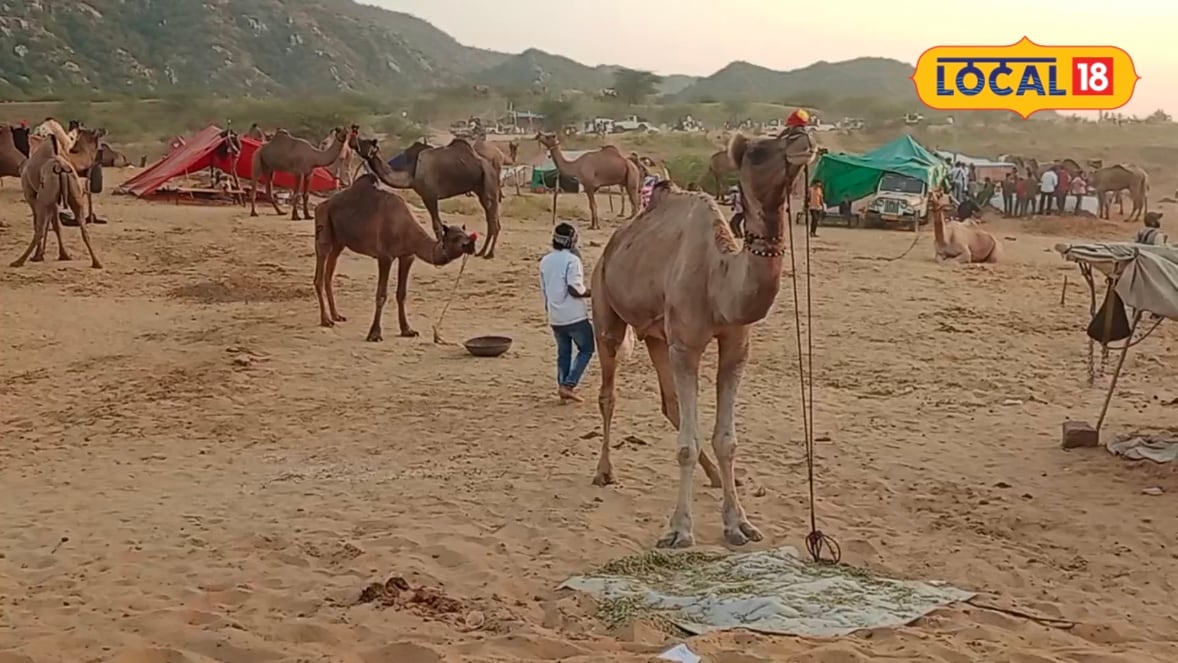
The international Pushkar Animal Fair 2026 in Ajmer has entered a dynamic phase of operations as the issuance of toll slips marks the beginning of the return journey for numerous animal rearers and traders. Despite the commencement of departures, robust commercial activities regarding livestock buying and selling continue extensively across the sprawling fairgrounds. This annual traditional gathering remains a pivotal economic and cultural cornerstone for the region, drawing participants and visitors from various distant localities.
Historically rooted in ancient traditions of rural commerce and cultural exchange, the Pushkar fair has evolved over generations into one of India's most celebrated livestock exhibitions. Pastoralists and breeders from across the country wait eagerly for this annual congregation to showcase their prized animals, negotiate commercial deals, and celebrate their shared heritage. The event serves not only as a marketplace but as a vital preservation ground for indigenous breeds and traditional nomadic lifestyles.
Official administrative records compiled during the ongoing event highlight a remarkable turnout of livestock for the year 2026. A total of 10,888 animals have arrived at the fairgrounds, comprising a significant distribution of 3,516 camels and 6,304 horses. Among these registered animals, formal trade transactions have successfully concluded for 498 total livestock units, which includes 452 horses. Notably, statistics reveal that camel arrivals have doubled compared to previous years, indicating a renewed interest in camel rearing and trading.
Elaborating on the market valuation and pricing trends at the fair, Mela Officer Dr. Naveen Parihar stated that the highest-priced horse was successfully sold for an impressive four lakh rupees. Furthermore, premier camel transactions reached seventy thousand rupees, reflecting strong demand for superior breeds. Traders and breeders expressed satisfaction with the prevailing market rates, noting that quality animals continue to command prestigious valuations among connoisseurs and professional buyers.
The economic ripples of the Pushkar animal fair extend far beyond the immediate boundaries of Ajmer, generating substantial trade opportunities for neighboring districts including Kotputli-Behror. Local pastoralists, agricultural suppliers, and transport operators frequently engage with the broader commercial network established during the fair season. The exchange of livestock and agricultural knowledge contributes significantly to the rural economy and sustains traditional livelihoods across Rajasthan.
Administrative oversight and logistical management by officials such as Dr. Naveen Parihar have ensured the smooth execution of fair operations, ranging from registration to the issuance of toll slips. Municipal and district authorities have collaborated to provide necessary amenities, security, and veterinary assistance to safeguard the health and well-being of the thousands of visiting animals. These structured measures are essential for maintaining order and facilitating transparent commercial transactions.
As the 2026 edition of the Pushkar fair progresses toward its concluding phases, stakeholders maintain optimistic expectations for the final days of trading. While many livestock owners have initiated their return journeys following the completion of their transactions, remaining traders anticipate brisk business activities. The enduring legacy of the fair continues to inspire confidence among rural communities, ensuring its preeminent status in the cultural calendar of India.
