
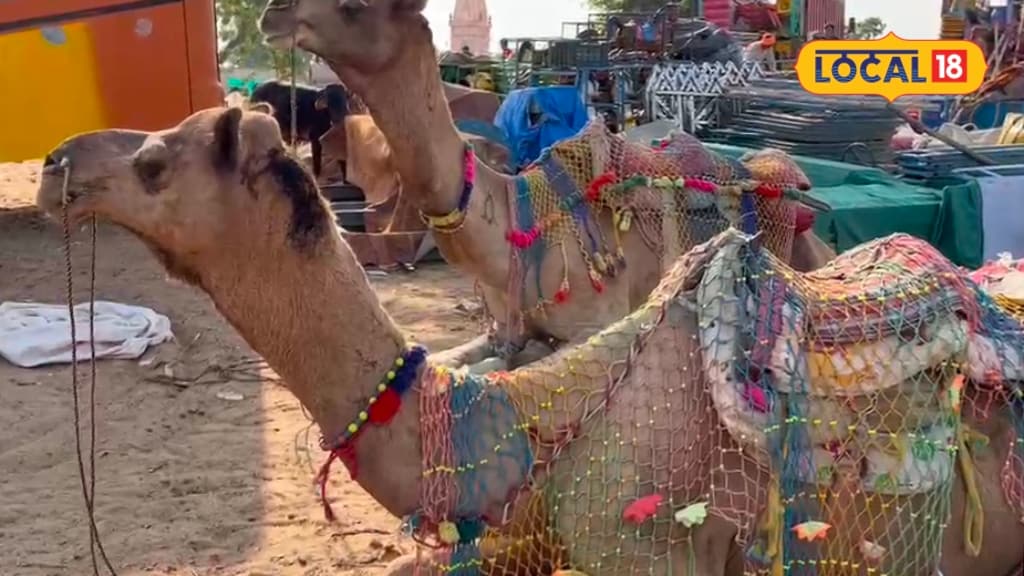
The administration has officially announced major updates for the Pushkar Animal Fair 2026, introducing streamlined registration guidelines to facilitate animal breeders and traders. This year, the administrative framework aims to remove procedural bottlenecks that historically troubled participants, ensuring a much smoother arrival and accommodation process within the sprawling fairgrounds located in Pushkar.
Historically, the Pushkar Animal Fair has stood as a monumental cultural and economic convergence point for breeders across the region. Over decades, managing massive livestock influxes required rigorous bureaucratic oversight, which often created logistical hurdles for small-scale breeders who struggled with complex digital mandates and stringent verification procedures during peak festival periods.
Addressing these historical grievances, the newly announced protocols for 2026 establish clear numerical thresholds. Specifically, small horse breeders bringing fewer than 5 horses will directly receive offline plots upon arrival, eliminating unnecessary bureaucratic delays. Conversely, for participants bringing more than 5 horses, a formal health certificate issued by a government hospital remains mandatory to ensure strict epidemiological safety across the fairgrounds.
Community stakeholders, animal traders, and local organizers have responded favorably to these pragmatic adjustments. Breeders noted that past bureaucratic hurdles frequently discouraged smaller participants from showcasing their livestock, whereas the new measures directly address grassroots concerns while maintaining essential health and safety standards mandated by the veterinary authorities.
The administrative updates also resonate significantly within neighboring economic hubs and districts, including Kotputli-Behror, where regional livestock traders frequently prepare their animals months in advance for the prestigious Pushkar gathering. The financial stakes of the fair heavily influence local micro-economies, transport sectors, and agricultural trade networks throughout Rajasthan.
To complement the plot allocation changes, the administration has eliminated the mandatory geo-tagging requirement that previously complicated digital documentation. In its place, the verification portal now permits simple photo uploads up to 1 MB in size, allowing breeders to authenticate their animals swiftly without encountering technical failures.
Looking toward the operational timeline for 2026, the administration has also designated specific, segregated zones for buffalo lineage and various other livestock species to maintain orderly sanitation and movement. Public expectations remain high as authorities continue implementing these transparent, breeder-friendly protocols ahead of the grand inauguration.
