
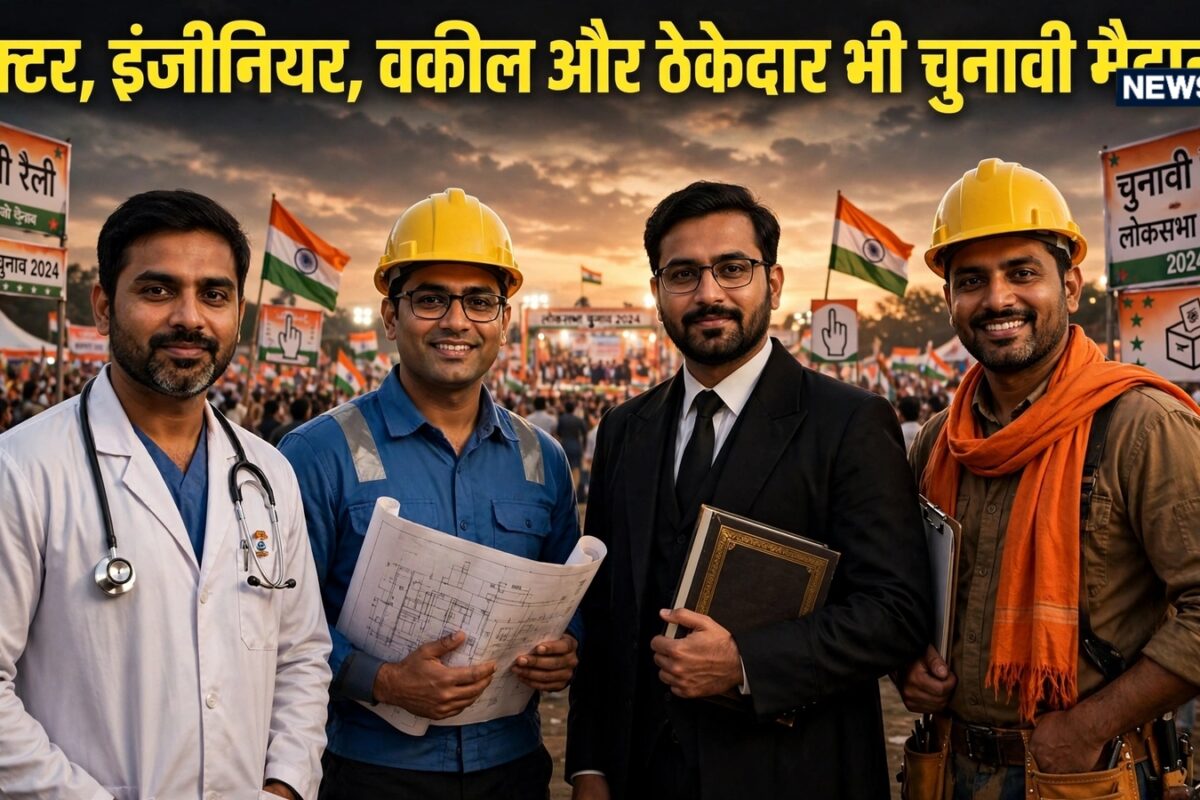
The political landscape of rural Rajasthan is undergoing a remarkable transformation as the Rajasthan Panchayat Elections 2026 approach. In a departure from traditional demographics, a significant number of qualified professionals, including medical doctors, qualified engineers, practicing lawyers, and established contractors, have entered the electoral fray to contest for key positions such as district chiefs and pradhans. This rising trend marks a notable evolution in how grassroots democracy is perceived and pursued by educated segments of society.
Historically, rural local bodies in Rajasthan have been dominated by individuals with long-standing political lineages or local agrarian leadership backgrounds. However, the 2026 elections have opened new doors for academic and professional elites to step into public service at the village and district levels. Political analysts note that this shift is driven by a growing desire among educated professionals to directly influence developmental policies, infrastructure implementation, and public welfare delivery systems at the grassroots.
Major political formations, recognizing the changing aspirations of rural voters, have actively adapted their strategies. Prominent national and regional political organizations, specifically the Bharatiya Janata Party (BJP), the Indian National Congress, and the Bharat Adivasi Party, have fielded candidates with diverse professional credentials across various administrative tiers. These political entities are leveraging the credibility and specialized knowledge of these candidates to appeal to an increasingly discerning electorate that demands efficiency and transparent governance.
Specific instances of this professional influx are evident across multiple administrative divisions in the state. In Dungarpur, Dr. Deepak Dhoghra has stepped forward to contest elections, bringing his medical background into the public service arena. Similarly, in Jodhpur, Engineer Monika has entered the electoral race to secure a coveted position as a district council member. These individual candidacies highlight the willingness of technical experts to transition from their professional practices into rigorous public administration.
Beyond medicine and engineering, the legal and commercial sectors are strongly represented in the current electoral cycle. In key urban and semi-urban hubs such as Jaipur, Jodhpur, Ajmer, and Dungarpur, numerous individuals associated with the legal profession are trying their political fortune. Additionally, contractors and business professionals have filed their candidacies, leveraging their organizational and logistical experience to convince voters of their capability to execute large-scale rural development projects effectively.
As these professional candidates campaign across towns and villages, local communities and political observers are closely monitoring their reception by the rural electorate. The central question remains whether academic degrees and professional expertise will successfully translate into voter trust, especially when navigated through deeply entrenched local caste equations, social networks, and traditional political loyalties. Voters are increasingly evaluating candidates based on their administrative competence rather than mere political affiliation.
Looking ahead, the outcome of the Rajasthan Panchayat Elections 2026 will likely set a new precedent for grassroots leadership in the region. If these professional candidates secure significant victories, it could permanently alter the profile of rural representatives in India. The administrative machinery and election authorities are ensuring a smooth electoral process as these diverse candidates make their final appeals to the public across the state.
