
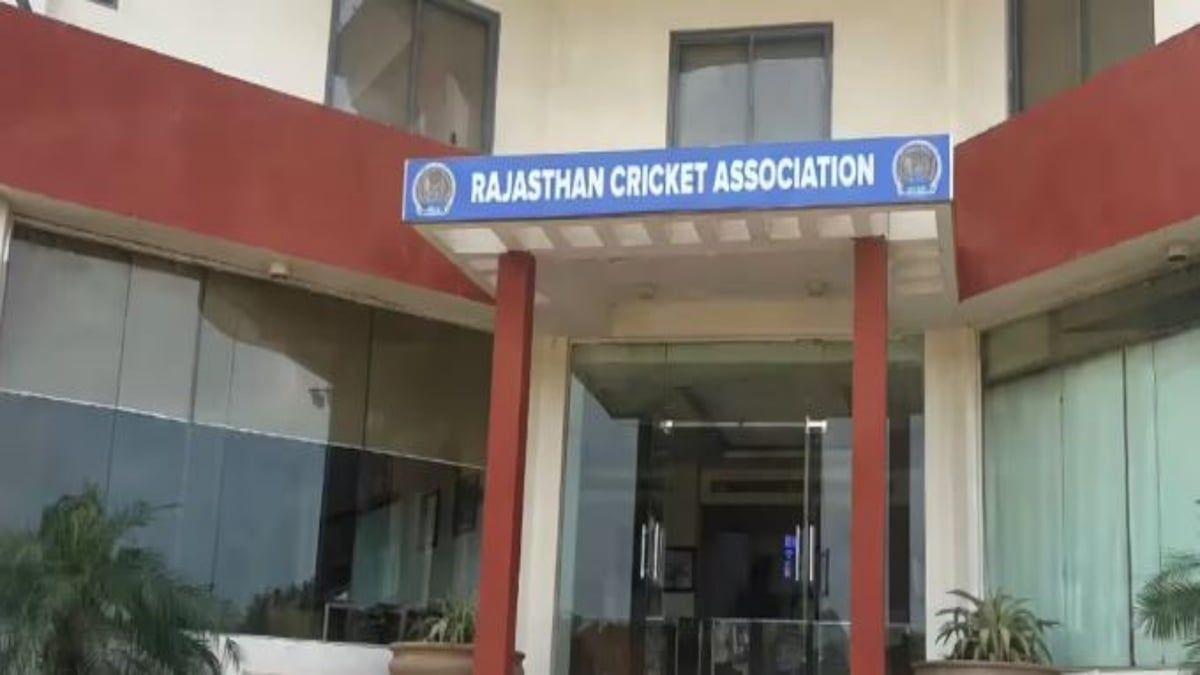
Political momentum surrounding the Rajasthan Cricket Association elections has intensified significantly in Jaipur. On the very first day of nominations, sons of sitting ministers, legislators, and parliamentarians submitted their candidacies. This high-stakes development has made the electoral battle for the presidential chair and other crucial posts notably intriguing, drawing nationwide attention to sports administration politics.
Historically, the administrative corridors of sports bodies have frequently intersected with the corridors of political power. The involvement of prominent political lineages in the Rajasthan Cricket Association underscores the persistent intersection of state governance and athletic governance. Observers note that leadership positions within premier sporting organizations have traditionally attracted influential figures seeking to expand their sphere of influence.
As the nomination process progresses in Jaipur, the involvement of second-generation political figures brings organizational dynamics into sharp focus. The current round of filing papers has established a competitive framework for various executive positions. Stakeholders across the sporting fraternity are closely monitoring how these candidacies will shape the internal balance of power within the association.
Sports administrators, club representatives, and members of the general public have expressed mixed reactions regarding the active participation of political scions. While proponents argue that influential patronage can secure better funding and infrastructural development, critics voice concerns over institutional autonomy and the need for dedicated professional management in cricket administration.
The administrative developments in Jaipur carry distinct administrative resonance for sports enthusiasts and regional associations across the broader expanse, including surrounding districts. Local sports clubs and budding athletes often rely heavily on the policies, financial allocations, and tournament structures formulated by the apex state body, making the leadership outcome a matter of widespread regional interest.
Administrative oversight bodies and election committees are presently reviewing the submitted paperwork to ensure strict compliance with institutional guidelines and constitutional frameworks. The verification process remains a critical operational milestone designed to uphold transparency and fairness as the electoral schedule advances toward the final ballot.
Looking ahead, the forthcoming days will witness intense lobbying, alliance-building, and withdrawal deadlines before the definitive candidate lists are published. The sports community and political observers alike await the final electoral showdown, which promises to redefine the leadership trajectory of cricket administration in the state.