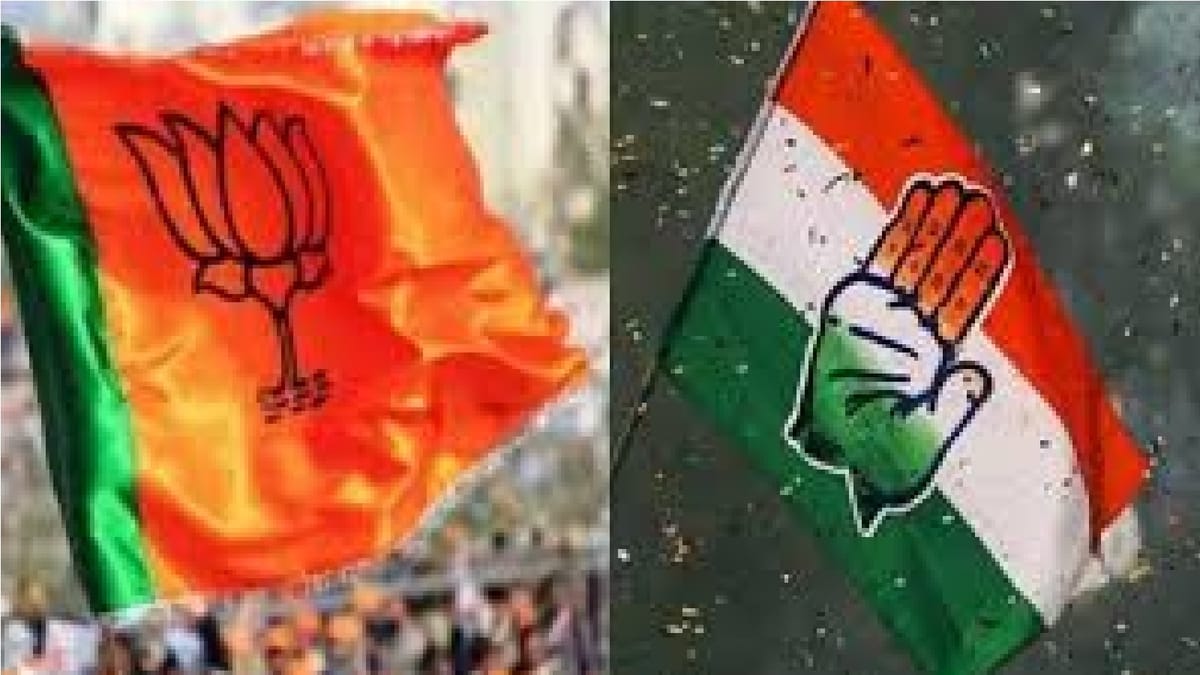
Recent political developments in Rajasthan have once again brought internal friction to the forefront, as key political figures engage in open confrontation that threatens party unity. The shifting dynamics within the state have highlighted how quickly political alignments can fracture when central authority experiences a perceived decline. This unfolding scenario has captured the attention of political analysts across the region, making it one of the most discussed topics in contemporary state politics.
Historically, the political landscape of Rajasthan has been characterized by recurrent friction between prominent leaders and the organizational apparatus. Examining the historical trajectory reveals that whenever central leadership's grip or authority appears to loosen, various factions within the party invariably seize the opportunity to assert their independence or voice their grievances publicly. This long-standing pattern of intra-party conflict has consistently shaped the contours of governance and political strategy within the state over the decades.
The current phase of political friction is particularly underscored by the sharp exchange of words and escalating tensions between prominent leaders such as Vishvendra Singh and Dotasra. While specific disagreements may vary from time to time, the underlying structural issues—ranging from administrative control to organizational dominance—remain remarkably consistent. These developments have not only intensified internal competition but have also forced party cadres to navigate a complex web of loyalties and factional alignments.
From the perspective of various stakeholders, party workers, and local observers, these public confrontations create an atmosphere of uncertainty regarding future governance and electoral strategies. While supporters of individual leaders rally behind their respective figures, neutral observers express concern that continuous internal discord could distract from pressing developmental and governance issues. The debate among political commentators largely centers on whether the central leadership will intervene decisively to restore discipline or allow the factional dynamics to play out further.
Looking at the broader regional impact, particularly concerning administrative coordination and public perception, such political friction invariably reverberates down to the grassroots level. Party workers and local functionaries find themselves caught in the crossfire of conflicting directives and competing power centers. This local-level turbulence often hinders effective communication between the party organization and the general populace, potentially affecting public outreach and administrative efficiency across districts.
In response to these emerging challenges, administrative and organizational measures are frequently evaluated to gauge the mood of the cadre and prevent further escalation. Observers note that traditional methods of conflict resolution, such as closed-door reconciliations and high-command mediation, are constantly tested against the backdrop of growing political ambitions. The organizational leadership faces the delicate task of maintaining internal cohesion without alienating influential regional figures who command substantial loyalties.
As the situation continues to evolve, the forward outlook depends heavily on how the party high command manages subsequent phases of political communication and disciplinary oversight. Upcoming political procedures, organizational meetings, and strategic reviews will serve as critical indicators of whether the party can bridge internal divides. Public expectations remain focused on stability and effective governance, leaving political actors with the responsibility of addressing internal grievances while maintaining public trust.