
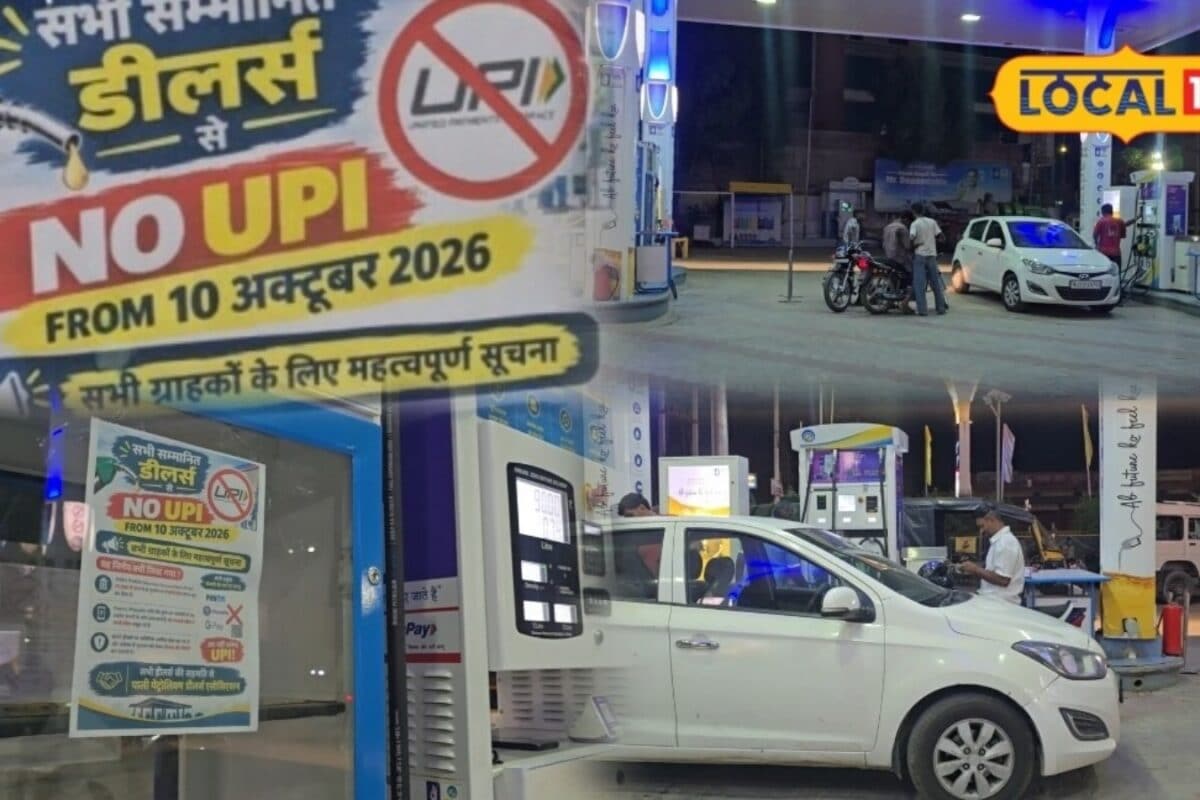
Motorists and commercial transport operators across Pali district are confronting major operational disruptions at fuel stations as local petroleum dealers officially halted Unified Payments Interface (UPI) services across approximately 300 petrol pumps. The sudden suspension of digital payment options has forced thousands of daily vehicle owners to revert strictly to cash transactions, resulting in long queues and widespread inconvenience at filling stations. This collective trade action was initiated by the Pali Petroleum Dealers Association to register a stern protest against private payment gateways and banking institutions that continue to levy financial burdens on fuel retailers through transaction processing fees.
For several years, fuel station operators across the region have actively participated in national drives to encourage contactless and digital transactions among consumers. However, underlying economic friction has been escalating over the levy of the Merchant Discount Rate (MDR)—a fee charged by payment aggregators for processing digital payments. While national policy guidelines have consistently advocated for fee-free digital transactions for consumers, petroleum dealers assert that private payment companies and financial intermediaries continue to siphon off small percentages through hidden deductions and unclear settlement statements, imposing an unfair burden on fuel outlets.
The financial impact of these digital payment deductions on fuel retailers is particularly severe due to the fixed, low-margin business model inherent in petroleum retailing. Across the 300 affected petrol pumps in Pali, daily transaction volumes running into millions of rupees were previously processed via QR codes and online applications. Retailers report that private payment service providers frequently execute fee deductions without providing transparent reconciliation accounts, effectively eroding the controlled operational margins of dealers and resulting in unrecoverable daily financial losses.
Speaking on behalf of the affected retailers, Kartikeya Shrotriya, President of the Pali Petroleum Dealers Association, emphasized that fuel station owners have reached a critical breaking point regarding digital processing costs. Shrotriya stated that while dealers have consistently supported digital adoption and customer convenience, they can no longer bear the economic strain of unannounced transaction cuts and MDR charges imposed by private gateways. He reiterated that the association's stand remains firm, confirming that UPI services will remain completely suspended across all participating outlets until regulatory bodies and payment institutions issue a definitive decision to abolish MDR on petroleum sales.
The complete shutdown of UPI facilities in Pali is generating broader commercial ripples that extend toward key transit routes and neighboring trade nodes like the Kotputli-Behror corridor. Long-distance freight carriers, regional commuters, and commercial logistics fleets that routinely rely on digital financial transactions while traversing highway networks are experiencing significant transaction delays. Small vehicle drivers, daily commuters, and tourist vehicles who rarely carry large amounts of cash are finding themselves stranded or forced to locate automated teller machines (ATMs) prior to refueling, slowing down mobility and local trade activities.
The sudden shift back to cash-only transactions has also introduced administrative challenges for fuel station management and local commercial regulators. Station managers are reporting increased operational risks associated with handling and storing large volumes of physical currency, along with extended transaction times at fuel nozzles. Regional trade bodies and consumer forums are calling upon financial regulatory authorities and civil administrators to intervene promptly, establish transparent auditing rules for payment gateways, and mediate an equitable resolution that protects retail margins without causing public distress.
As the standoff continues, the Pali Petroleum Dealers Association maintains that digital payment acceptance will not resume without formal, written policy revisions regarding processing charges. Industry analysts observe that this conflict highlights systemic friction within the national digital payments infrastructure regarding merchant fee allocations. Until a clear regulatory framework or official consensus waiving MDR for fuel retailers is established, motorists travelling through or within Pali are strongly advised to carry adequate physical cash to ensure seamless journeys.
