
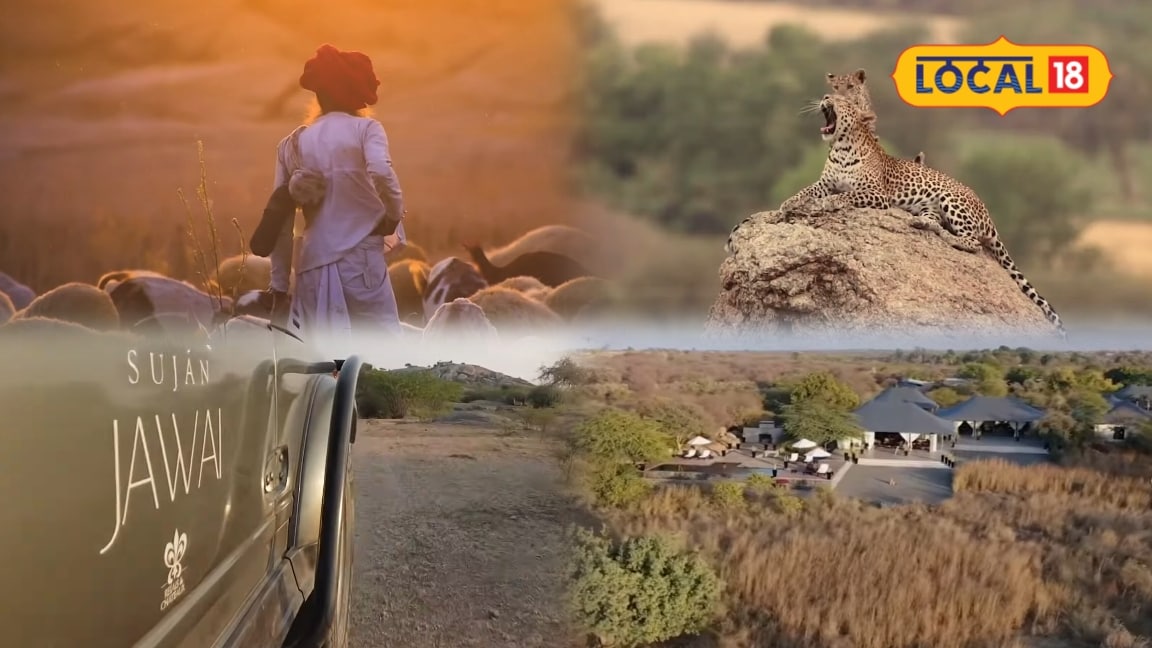
With the arrival of the auspicious month of October, the vibrant tourism season has officially commenced across the state of Rajasthan, welcoming a massive influx of visitors. Travelers from all corners of the country and international shores are journeying to witness the region's rich historical heritage and breathtaking natural landscapes. Among the myriad destinations capturing public imagination, the luxurious Sujan Jawai resort located in Pali district stands out as a preeminent sanctuary of elegance and wilderness.
The strategic positioning of Pali within Rajasthan's tourism framework has historically served as a gateway for travelers seeking authentic cultural and ecological experiences. Over the years, the region has evolved from a quiet geographical pocket into a sophisticated nexus for high-end hospitality. The establishment of properties like Sujan Jawai has redefined the parameters of luxury tourism, seamlessly integrating contemporary comfort with raw, untamed wilderness environments that appeal to discerning global explorers.
Analyzing the current ground realities, the tourism sector in the region witnesses substantial financial and logistical activity during this peak period. Thousands of domestic and international tourists arrive weekly, driving local commerce, employment opportunities, and hospitality infrastructure development. The high demand for bespoke experiences at exclusive retreats underscores a broader trend where travelers are willing to invest significantly in immersive, nature-centric journeys that offer privacy and top-tier amenities.
Industry stakeholders, hospitality experts, and local business community members have expressed immense optimism regarding the trajectory of the current tourism season. According to local service providers and tourism representatives, the endorsement of such high-end destinations by prominent public figures has significantly elevated the profile of the Pali region on the international tourism map. This surge in popularity translates into sustainable economic vitality for local artisans, guides, and support staff who rely heavily on seasonal visitor inflows.
While the immediate impact is most visible in Pali, the broader ripple effects extend across neighboring districts, contributing to a robust regional economy. Enhanced connectivity, improved local infrastructure, and heightened promotional efforts by tourism authorities ensure that travelers exploring Rajasthan enjoy a seamless and enriching journey. The symbiotic relationship between luxury hospitality ventures and local communities fosters a balanced ecosystem where heritage preservation and modern tourism coexist harmoniously.
Administrative bodies and local governance institutions have initiated proactive measures to manage the seasonal rush effectively. Enhanced security protocols, infrastructural upgrades, and sustainable tourism guidelines have been implemented to protect local flora and fauna while accommodating the growing volume of visitors. Authorities continue to monitor hospitality standards closely to ensure that the district maintains its reputation as a safe, welcoming, and environmentally responsible destination.
Looking toward the future, the outlook for the region's tourism sector remains exceptionally promising. Stakeholders anticipate continued growth in both domestic and international arrivals throughout the autumn and winter months, establishing new benchmarks for hospitality excellence. As upcoming procedures for sustainable resource management and community-led tourism initiatives take root, Pali and its iconic retreats are well-positioned to lead Rajasthan's ongoing renaissance as a world-class travel destination.