
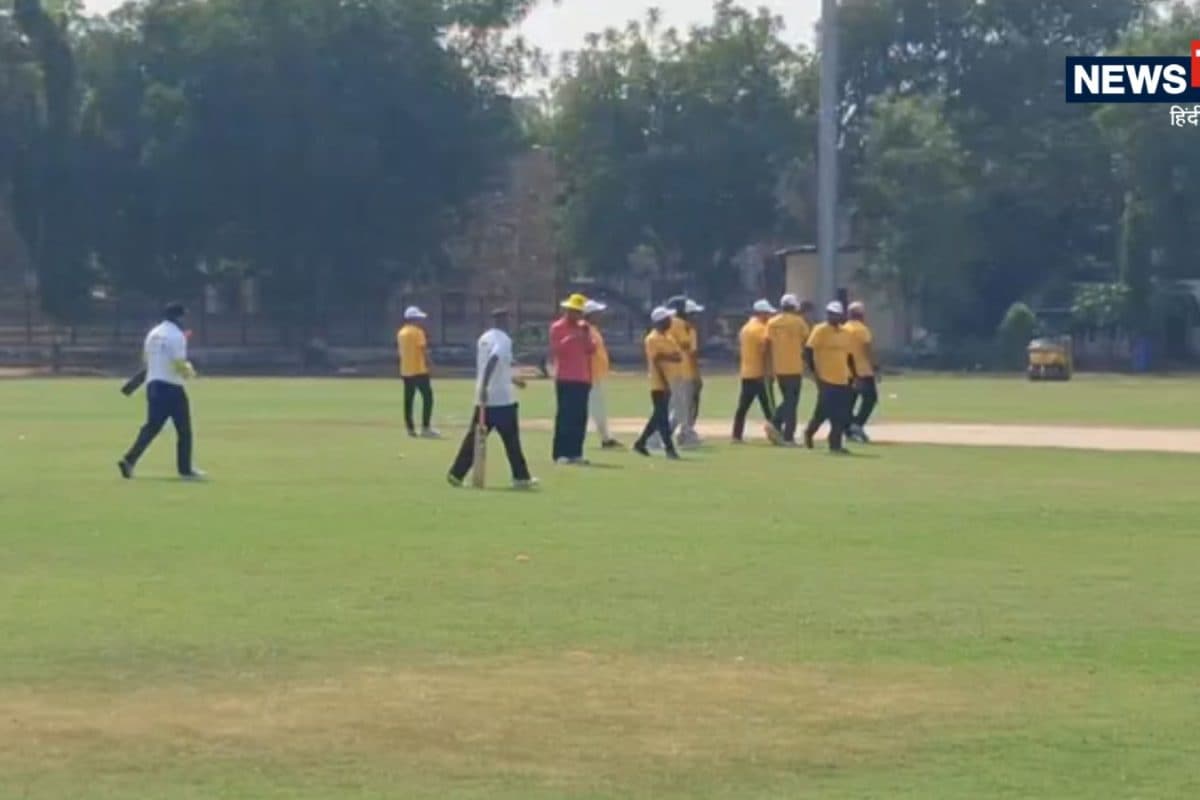
In an extraordinary display of athletic spirit and human perseverance, the Ganpati Nagar Railway Ground in Jaipur recently played host to an exceptionally unique cricket match. The event, designated as Champions of Life Cricket 2026, brought together individuals who have triumphed over life-threatening medical conditions through major organ transplants. Players who once battled severe organ failures stepped onto the green turf with bat and ball, proving that critical health interventions can lead to fully revitalized, active, and meaningful human existence.
This pioneering sporting initiative was orchestrated through the collaborative efforts of prominent regional organizations, specifically Rotary International District 3056 and the Transplant Athletes of Rajasthan. The historical context of such initiatives stems from a pressing need to normalize organ donation and dismantle lingering societal stigmas that often isolate transplant recipients. By bringing these survivors into a competitive yet celebratory sporting environment, the organizers aimed to alter public consciousness regarding chronic illnesses and subsequent surgical recoveries.
The ground reality at the venue reflected immense enthusiasm, logistical precision, and emotional triumph, anchored firmly by the operational framework of Rotary International District 3056. Participants in the match included individuals who had successfully undergone complex kidney, liver, and heart transplants. Each participant carried a personal narrative of survival, having stared down mortality before receiving a second chance at life through organ donation. The statistics of recovery represented by these athletes underline the profound efficacy of modern medical science and surgical expertise.
Stakeholders, medical professionals, and community leaders present at the venue shared overwhelming sentiments regarding the transformative power of the event. Spectators witnessed remarkable athletic prowess that shattered conventional stereotypes surrounding physical vulnerability after major surgery. The players themselves articulated deep gratitude toward their donors and medical teams, emphasizing that stepping onto the cricket pitch was the ultimate manifestation of their restored vitality and newfound freedom from illness.
While the epicenter of the match was located in Jaipur, the ripple effects of this inspirational gathering extend deeply into surrounding regions, including the Kotputli-Behror district. Regional communities, local healthcare advocates, and families dealing with chronic ailments look toward such initiatives as beacons of hope. The psychological boost provided by visible role models successfully participating in strenuous physical sports encourages greater public participation in organ donation registries across rural and urban settlements alike.
Administrative bodies, healthcare institutions, and regional NGOs have increasingly recognized the necessity of institutional support for post-transplant rehabilitation programs. While surgical procedures save lives, comprehensive social reintegration requires platforms like the Champions of Life Cricket tournament. Public health advocates continue to urge administrative authorities to allocate resources toward sports therapy and psychological counseling for organ recipients to ensure holistic long-term recovery.
Looking forward, the organizers from Rotary International District 3056 and Transplant Athletes of Rajasthan have outlined ambitious plans to expand these athletic events into an annual fixture with broader participation metrics. The upcoming timelines for future tournaments aim to encompass a wider demographic of transplant survivors from neighboring states. Through sustained advocacy, public education, and inspiring athletic showcases, the movement promises to alter the landscape of organ donation awareness for years to come.
