
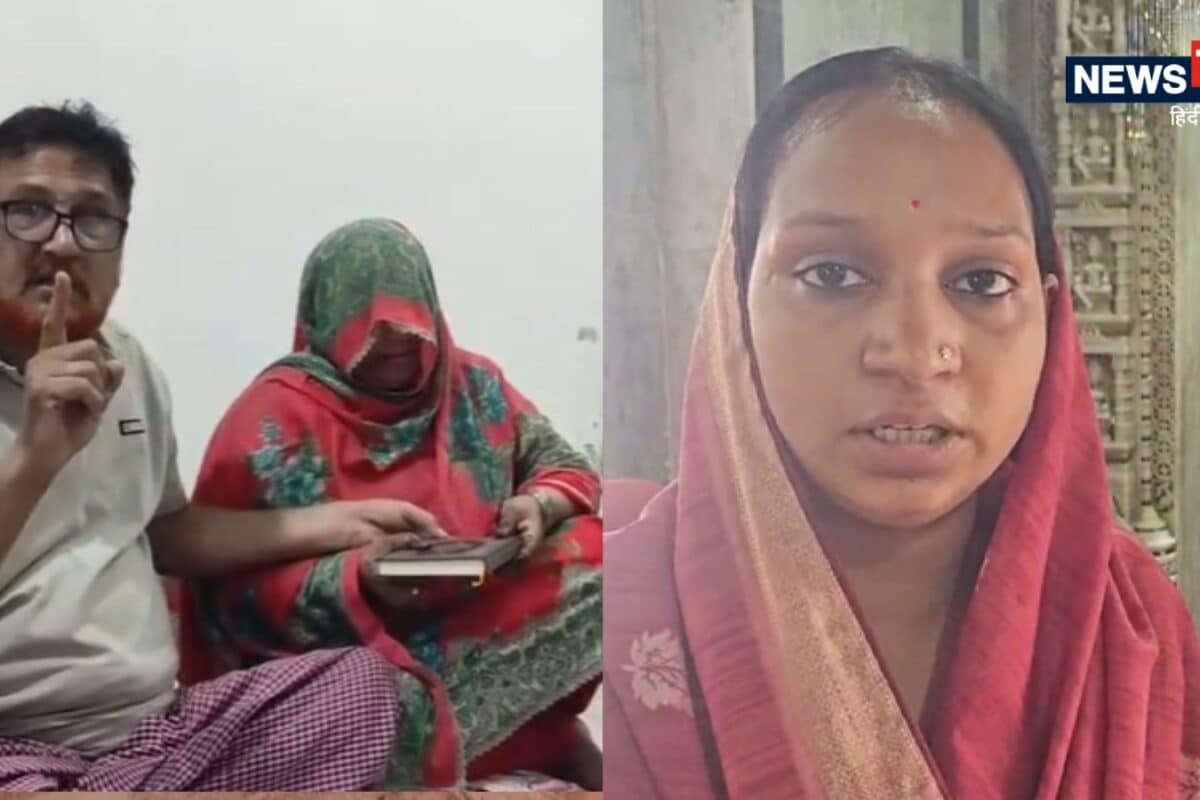
Recent municipal election results across the state of Rajasthan have given rise to an unprecedented wave of political theatre centered around sacred oaths, divine vows, and intense cross-voting controversies. As political parties navigate the complex aftermath of local governance polls, the districts of Pali and Sirohi have transformed into epicenters of loyalty disputes. Local representatives, candidates, and ordinary supporters are increasingly resorting to deeply personal and religious affirmations to clear their names from allegations of betrayal and political maneuvering.
The roots of this peculiar political phenomenon lie in the intensely competitive nature of grassroots elections, where every single vote carries monumental weight for the victory or defeat of a candidate. In densely contested local bodies, party discipline often faces severe internal strains as loyalties are tested by competing political factions. The recent outcomes laid bare deep fissures within local party units, prompting leaders and grassroots workers to adopt extraordinary measures to publicly validate their integrity and commitment to their respective political platforms.
A striking incident unfolded in Pali, specifically within Ward 29, where accusations of cross-voting created immense social and political pressure for a local family. Deeply aggrieved by ongoing taunts and suspicions regarding their voting behavior, members of the family took the extraordinary step of placing their hands on the Holy Quran. They solemnly declared that their vote had exclusively gone to Congress candidate Shaina Bano, utilizing a deeply revered religious text to silence critics and restore their honor within the local community.
Concurrently, the political landscape in Sirohi witnessed a contrasting yet equally dramatic episode involving temple vows and unexpected vote counts. Ahead of the crucial municipal proceedings, a cohort of 5 Bharatiya Janata Party councilors gathered at the revered Shaneshwar Ji Mahadev Temple to swear absolute allegiance to their party and its official nominee. However, when the final ballots were tallied, the official Bharatiya Janata Party candidate, Puja Mali, secured a total of only 5 votes, triggering immediate alarm and suspicion among party strategists.
The mathematical discrepancy in Sirohi quickly became a subject of intense public debate, particularly because the local Bharatiya Janata Party unit commanded a total strength of 10 councilors on paper. Adding further intrigue to the unfolding mystery, candidate Puja Mali herself had notably abstained from taking the temple oath alongside her colleagues. This glaring omission, combined with the stark shortfall in expected ballots, has fueled widespread speculation regarding internal sabotage, secret cross-voting, and systematic vote tampering within the municipal ranks.
As these developments continue to dominate local discussions, administrative and organizational scrutiny has intensified across both districts. Local party leaderships are under mounting pressure to investigate the root causes of these internal fractures and address the erosion of institutional trust. While no formal statutory violations have been officially registered with election authorities thus far, the internal party inquiries are expected to examine the conduct of participating members and assess the long-term damage inflicted on organizational cohesion.
Looking forward, the fallout from these loyalty disputes is poised to shape the political dynamics of regional governance in Rajasthan for the foreseeable future. The reliance on religious oaths and public sanctification reflects a deeper crisis of confidence within grassroots political structures. As community leaders and political analysts evaluate the consequences of these events, the demand for greater transparency, accountability, and genuine party discipline remains paramount to prevent similar controversies in upcoming legislative and municipal cycles.