
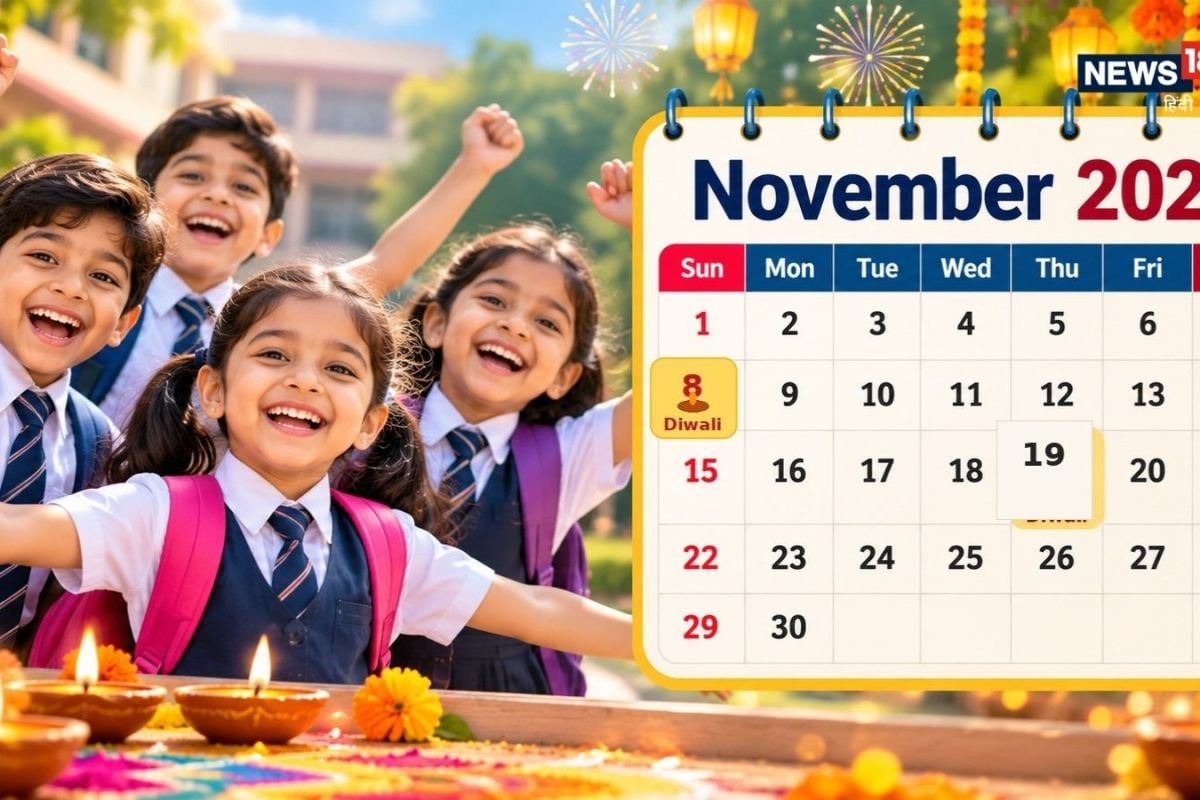
The month of November 2026 is projected to bring a remarkably festive schedule for educational institutions nationwide, driven by a succession of major cultural celebrations including Diwali, Chhath Puja, and Guru Nanak Jayanti. Families and students across the country are preparing for a period of continuous holidays that will significantly alter the standard academic calendar for the month. This seasonal congregation of festivals traditionally fosters a high degree of travel, family gatherings, and community celebrations, making the upcoming holiday window one of the most anticipated periods of the academic year.
Historically, the calendar month of November serves as the focal point for the festive season in the region, encompassing celebrations that commemorate historical and spiritual milestones. The alignment of Diwali, the festival of lights, followed closely by the rigorous rituals of Chhath Puja and the sacred observance of Guru Nanak Jayanti, creates a natural cluster of holidays. Educational boards and regional administration units traditionally factor these cultural observances into their annual academic planning to ensure that students and faculty can participate fully in traditional practices without academic interruption.
A detailed examination of the scheduling reveals notable variations in the duration of closures across different states, reflecting regional administrative autonomy and local cultural calendars. Specifically, educational institutions in Maharashtra have been slated to receive a substantial 13 days of vacation time during this period. Concurrently, states such as Uttar Pradesh, Rajasthan, and Himachal Pradesh are preparing for multiple days of school closures to accommodate the festive influx, impacting millions of students enrolled in both public and private schools within these jurisdictions.
Educational administrators, parent-teacher associations, and local merchants are actively analyzing the implications of this extended break on student learning schedules and local economic activity. While parents and students welcome the opportunity for rest and family bonding, educators emphasize the importance of managing the curtailed instructional hours effectively. Local businesses and transport sectors also anticipate a surge in demand as families utilize the break for travel, pilgrimage, and participation in community events.
Within regional districts such as Kotputli-Behror, the ripple effects of these nationwide holidays will be visibly felt across local communities and educational setups. Local schools adhering to the state administrative schedules will implement the mandated closures, allowing students and teachers in the region to observe the festivities. This localized pause in academic activities encourages community participation in traditional celebrations, strengthening social ties and cultural heritage among the younger generation.
Administrative bodies and district education directorates have issued guidelines to ensure that schools properly communicate the holiday schedules to parents well in advance. These directives are intended to assist families in planning travel and personal schedules smoothly, minimizing any potential confusion regarding school reopening dates. Educational authorities remain committed to balancing cultural observance with the completion of the prescribed academic syllabus for the ongoing school term.
Looking ahead, schools and educational boards will be tasked with readjusting their teaching plans to compensate for the lost instructional days once classes resume after the festive season. Teachers are expected to utilize structured revision modules and catch-up classes to maintain academic momentum through the remainder of the term. Ultimately, the November 2026 holiday schedule offers a balanced mix of cultural preservation and well-deserved rest for the academic community across the nation.
