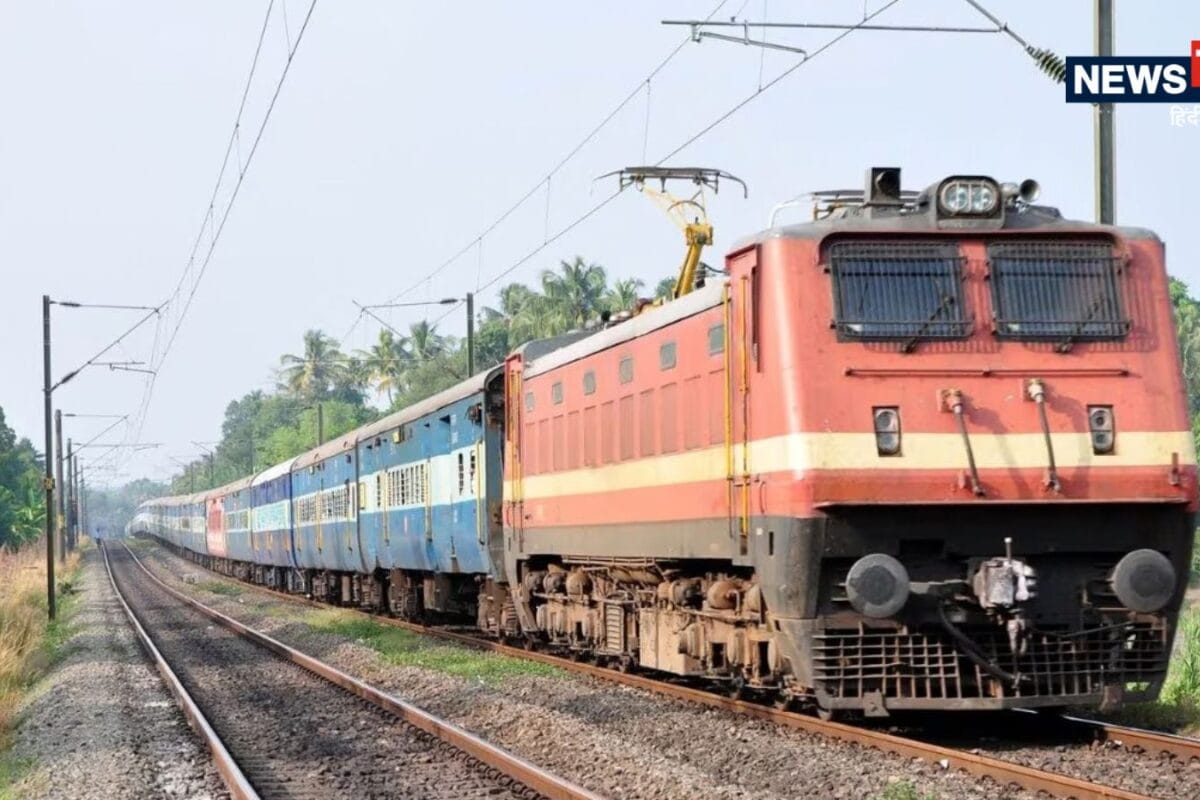
In a major development affecting thousands of daily commuters and long-distance travelers, the North Western Railway has announced the total cancellation of 13 key trains operating between Rajasthan and Delhi. Scheduled specifically for the 9th and 10th of October 2026, this abrupt disruption has instantly altered travel itineraries across the entire region. Passengers relying on this crucial interstate transit corridor now face immediate logistical challenges as railway operations experience a sudden halt on multiple high-density routes.
The roots of this sweeping cancellation lie within comprehensive operational adjustments and safety assessments conducted by railway authorities across the northern network. Historically, the rail corridor linking major destinations in Rajasthan to the national capital of Delhi witnesses immense passenger volume, commercial transport, and administrative movement daily. Managing such a heavily congested route requires meticulous scheduling, where even minor infrastructure maintenance or localized security alerts can trigger cascading service adjustments affecting dozens of connecting destinations.
Delving into the specifics of the current announcement, a total of 13 distinct services have been permanently struck from the operational roster for the designated two-day period. This quantitative reduction creates an immediate capacity deficit, stranding thousands of ticket-holders who depend on these specific departures for business, medical, and personal commitments. Financial implications for regular traders, daily wage earners, and corporate commuters are substantial, as alternative transportation options such as buses and private cabs experience sudden surges in demand and corresponding fare hikes.
Stakeholders across the transportation sector, including passenger associations, regional merchant bodies, and daily commuters, have expressed widespread concern regarding the sudden announcement. While the necessity of precautionary measures is acknowledged by civic leaders, the relative lack of advance notice has drawn pointed criticism from travelers stranded at various junctions. Representatives of commuter forums emphasize the urgent need for robust contingency plans, transparent communication channels, and immediate refund mechanisms to alleviate the financial and emotional distress experienced by affected citizens.
The regional impact of this railway suspension extends deeply into semi-urban and rural transit hubs connected to the broader corridor, including communities within the Kotputli-Behror region. Local traders who regularly dispatch perishable goods and commercial shipments toward Delhi markets find their supply chains severely constrained by the sudden withdrawal of rail freight and passenger baggage services. Small businesses operating near railway stations also report a temporary dip in commercial activity as passenger footfall drops precipitously during the two-day shutdown.
In response to the mounting public inquiries, administrative machinery within the North Western Railway has activated dedicated helpline desks at major junctions across Jaipur and surrounding districts. Railway officials have reiterated that safety remains the paramount operational priority, justifying the cancellation of the 13 trains as an unavoidable step under prevailing circumstances. Administrative oversight committees are currently monitoring station premises to manage crowds, facilitate expedited ticket refunds, and provide accurate, real-time updates to confused travelers.
Looking toward the immediate future, railway authorities anticipate a return to normal operational schedules following the conclusion of the 10th of October 2026. Commuters and prospective travelers are strongly advised to check official railway portals, helpline numbers, and station announcement boards before attempting to embark on journeys toward Delhi. As the network prepares to resume full functionality, passenger advocacy groups continue to push for improved advance warning systems to mitigate the adverse impacts of future emergency service suspensions.