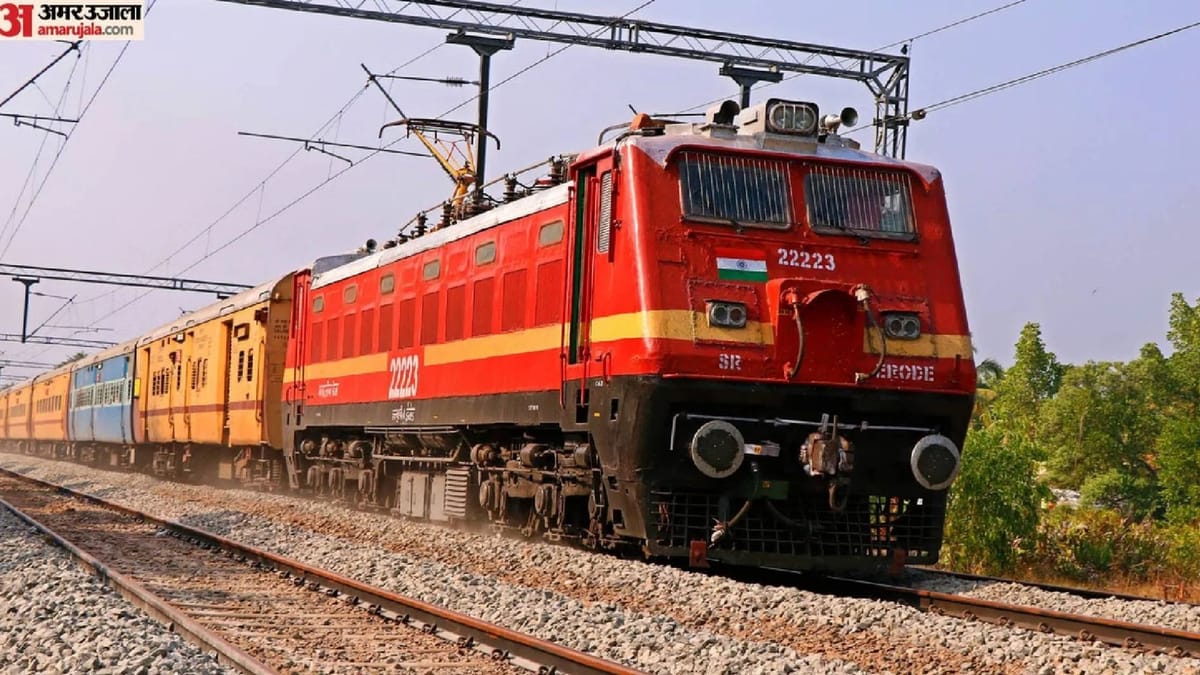
In a significant administrative and logistical development impacting rail commuters, the North Western Railway has officially announced the complete cancellation of 13 train services scheduled for October 9 and October 10. This drastic step has been implemented strictly due to operational reasons, coming directly in the wake of an upcoming massive protest planned in the national capital, Delhi, on October 10, which specifically demands the immediate resignation of Chief Election Commissioner Gyanesh Kumar.
The genesis of this sudden railway disruption traces back to mounting political tensions and administrative preparations surrounding the scheduled demonstrations in Delhi on October 10. Organizers and various groups have called for widespread public agitation pressing for the resignation of Chief Election Commissioner Gyanesh Kumar. Recognizing the potential for massive crowd mobilization, security escalations, and severe logistical bottlenecks along major rail corridors connecting to Delhi, railway authorities have stepped in to regulate train movements proactively.
Operational data and official railway schedules confirm that a total of 13 critical train services operated by the North Western Railway covering important routes through Jaipur and surrounding areas will remain non-operational on October 9 and 10. This sudden withdrawal of services translates into substantial financial and logistical stakes for daily commuters, long-distance travelers, students, and commercial traders who heavily depend on this vital rail network for their transit needs between Rajasthan and Delhi.
Expressing deep concern over the sudden announcement, frequent commuters, local trade associations, and passenger welfare representatives have voiced severe anxiety regarding the lack of advanced contingency planning. Stakeholders note that while maintaining law, order, and operational safety is paramount, abrupt cancellations of 13 trains on short notice severely penalize innocent citizens who have urgent professional, medical, or personal engagements in Delhi on those specific dates.
The regional impact of these cancellations radiates deeply across local districts, including the bustling transit hubs around Jaipur. Travelers originating from regional junctions find their itineraries completely dismantled, forcing many to seek expensive alternative road transport or abandon their journeys altogether. Local businesses dependent on uninterrupted passenger movement report immediate disruptions in commercial supply chains and professional travel schedules.
Responding to the unfolding crisis, administrative machinery and railway officials have emphasized that the decision to suspend the 13 train services on October 9 and 10 is strictly driven by mandatory operational protocols and safety assessments. Statutory oversight bodies and railway protection forces remain on high alert to manage platform crowds, assist stranded passengers with refunds, and coordinate with security agencies monitoring the situation in Delhi.
Looking toward the immediate future, railway authorities have urged passengers planning journeys to Delhi on October 9 and 10 to check updated train schedules continuously and avoid unnecessary travel if possible. As the timeline for the proposed protest on October 10 approaches, public expectations center around prompt refund disbursements by the railway administration and the swift restoration of normalcy across all affected rail routes once the administrative and security situation stabilizes.