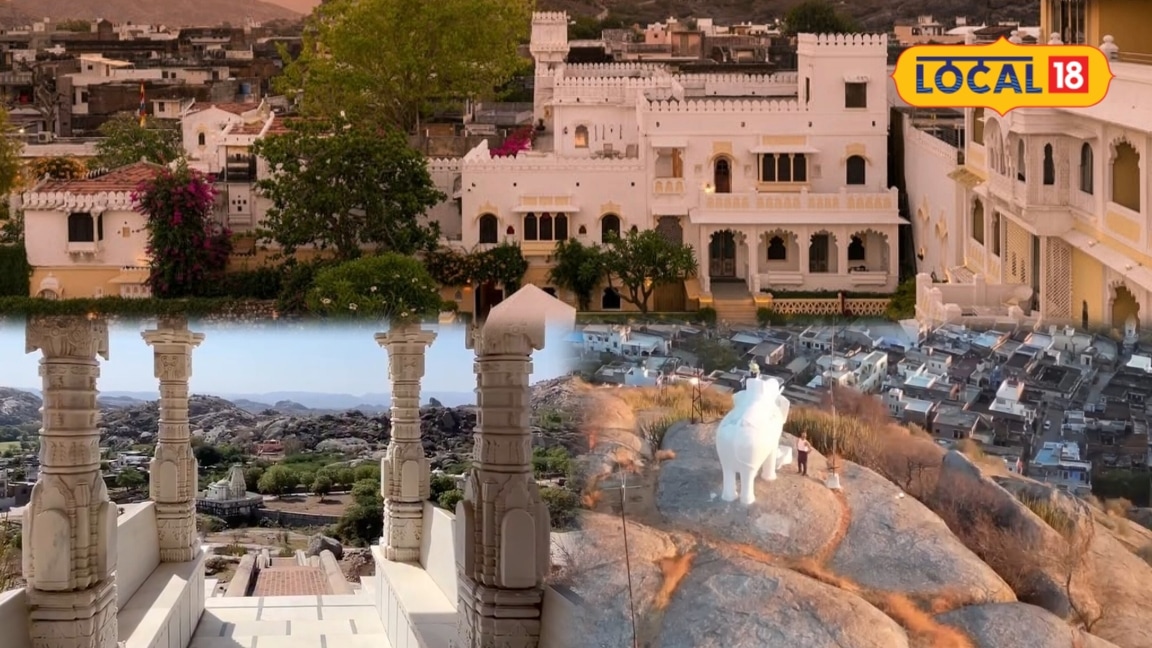
Nestled deep within the rugged and picturesque terrain of the Aravalli hills in Pali district, Rajasthan, Narlai village emerges as a fascinating historical and ecological marvel. This unique settlement has long captured the imagination of travelers, conservationists, and historians alike, primarily due to its rare ecosystem where human habitation seamlessly blends with the natural habitat of wild predators. As urban expansion increasingly brings wildlife into conflict with human populations across the country, Narlai offers a remarkably contrasting narrative of harmonious coexistence.
The historical significance of Narlai village dates back centuries, embedding itself deeply within the royal and architectural annals of Rajasthan. Among its most prominent historical landmarks is a magnificent 17th-century royal hunting lodge, which has meticulously been preserved and transformed into a luxurious heritage hotel. This structural transformation bridges the gap between historical preservation and modern rural tourism, attracting visitors who seek to experience the authentic regal past of the region while surrounded by pristine natural beauty.
Beyond the royal hunting lodge, the village is adorned with a rich tapestry of architectural wonders that reflect the grandeur of bygone eras. Visitors to the area encounter splendid ancient stepwells, locally known as baolis, alongside majestic traditional havelis that stand as enduring testaments to exquisite craftsmanship. Adding to the mystical ambiance of the landscape is a striking and massive statue of a giant elephant, positioned prominently on a hill, overlooking the village and watching over the ancient trails.
The most astonishing aspect of Narlai village, however, lies in its thriving wildlife population. Within this shared geographical expanse, more than 20 leopards roam freely through the rocky terrain of the surrounding Aravalli hills, living in remarkably close proximity to the human residents. Despite the inherent dangers associated with large carnivores residing near human settlements, the local community maintains a unique culture of tolerance and respect for the wildlife, ensuring a rare state of peaceful coexistence.
The presence of these magnificent fads alongside human dwellings creates a profound impact on the local cultural fabric and regional tourism economy. Travelers from across the globe journey to Pali district to witness this rare ecological phenomenon firsthand, boosting local livelihoods through heritage hospitality and guided rural tourism. The community's ability to live alongside such wildlife serves as an inspiring model for rural conservation efforts throughout the wider region of Rajasthan.
Local administrative bodies, conservation authorities, and community leaders continually monitor the delicate balance between human safety and wildlife preservation in the area. Collaborative measures ensure that the natural migratory pathways and habitats of the leopards remain protected, while simultaneously safeguarding the residents and domestic animals from potential conflict. Public awareness initiatives further reinforce the traditional ethos of conservation that has sustained this fragile coexistence for generations.
Looking ahead, Narlai village continues to attract academic, ecological, and touristic interest, cementing its status as an invaluable heritage and wildlife destination. As discussions around sustainable tourism and human-wildlife harmony gain global prominence, the lessons learned from the Aravalli hills of Pali district will undoubtedly guide future conservation policies. The village remains a shining example of how historical legacy and natural wonders can be preserved together for generations to come.