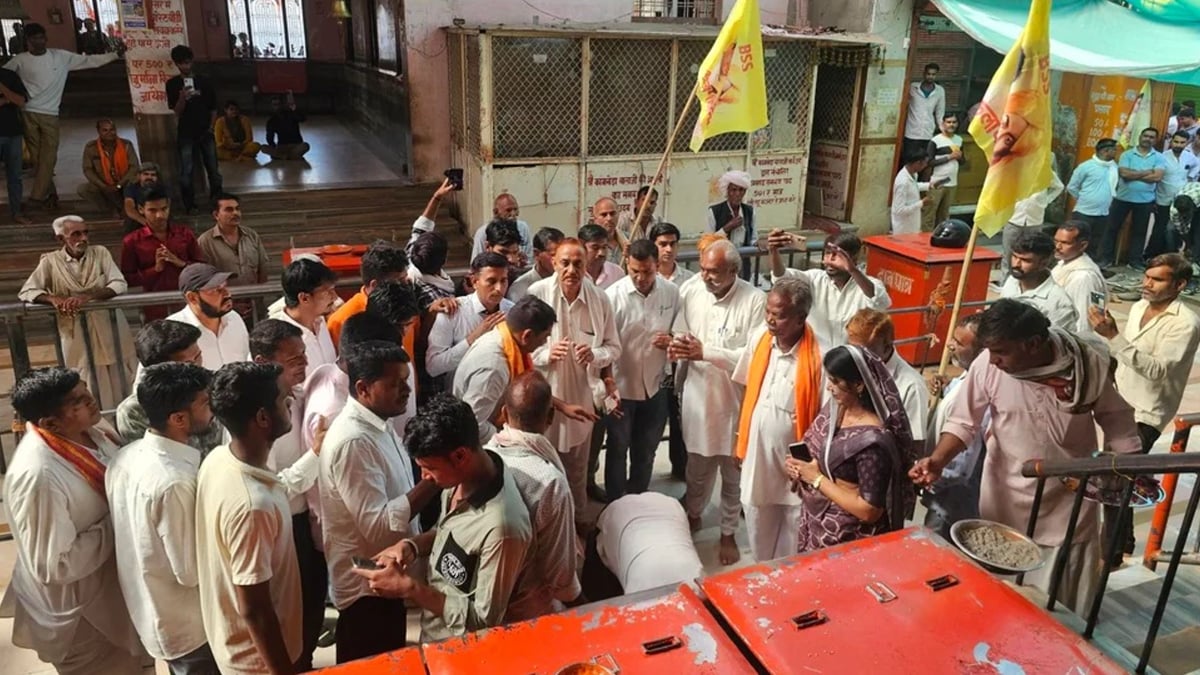
On a significant Friday morning, the tranquil surroundings of the Kamkheda Balaji temple premises in Jhalawar witnessed the mobilization of the 'Kissan Hunkar' bike rally, spearheaded prominently by Naresh Meena. The demonstration was organized to champion pressing agrarian concerns and draw the immediate attention of state authorities toward the daily struggles faced by the farming community. With a clear focus on rural empowerment, the participants gathered early in the morning to strategize and outline their journey toward the Baran Collectorate, marking a notable day of political and social activism in the region.
The historical backdrop of this rally is rooted in the persistent economic challenges and long-standing demands raised by agricultural workers and landowners throughout Rajasthan. Over recent years, farming communities have consistently voiced their concerns regarding fair pricing, irrigation facilities, debt relief, and timely compensation for crop losses. Naresh Meena has consistently positioned himself as a vocal advocate for these causes, channeling widespread grassroots discontent into organized public demonstrations. This latest mobilization at the Kamkheda Balaji temple represents the culmination of mounting frustrations among rural families seeking structural reforms from the administration.
Assessing the logistical scale of Friday's demonstration, ground reports indicate a disciplined yet spirited gathering of supporters. The convoy comprised approximately fifty to sixty motorcycles alongside five to six private vehicles, forming a noticeable presence on the highways connecting Jhalawar to Baran. Organizers estimated that between one hundred and fifty to two hundred dedicated participants joined the procession at its inception, ensuring strong solidarity as the fleet traversed through various rural settlements and intersections before heading directly toward the district collectorate.
Throughout the course of the mobilization, local farmers, transport operators, and community stakeholders shared their perspectives on the prevailing agricultural crisis. Many participants emphasized that spiralling input costs, fluctuating market prices, and inadequate institutional support have rendered traditional farming increasingly unsustainable. By engaging directly with local observers and supporters along the route, the rally served as a mobile forum where rural residents articulated their pressing financial vulnerabilities and urged elected representatives to enact robust protective measures.
While the primary focal point of the rally remains the administrative headquarters in Baran, the ripples of such sustained rural agitations inevitably extend to neighboring administrative zones, including Kotputli-Behror. Regional agricultural economies across Rajasthan share closely interconnected supply chains, labor markets, and policy challenges. Consequently, any significant policy shift or administrative pressure generated at major district headquarters tends to resonate deeply among agrarian communities throughout the wider state, influencing local trade dynamics and rural sentiment.
In response to the announcement and commencement of the rally, local administrative machinery and law enforcement agencies maintained a vigilant oversight posture. Authorities deployed adequate personnel along the designated route originating from the Kamkheda Balaji temple premises to monitor traffic flow, ensure public safety, and prevent any potential disruptions. District officials reiterated their commitment to maintaining public order while also acknowledging the constitutional right of citizens to peacefully assemble and submit memorandum petitions concerning agricultural welfare.
Looking toward the days ahead, the successful culmination of the Jhalawar-to-Baran rally is expected to culminate in the formal submission of a comprehensive charter of demands to the district administration at the Baran Collectorate. Public expectations remain high regarding how government officials will address the specific points raised by Naresh Meena and his supporters. Observers and farmer representatives alike will closely monitor subsequent administrative responses to determine whether constructive dialogues or policy adjustments will emerge from this significant mobilization.