
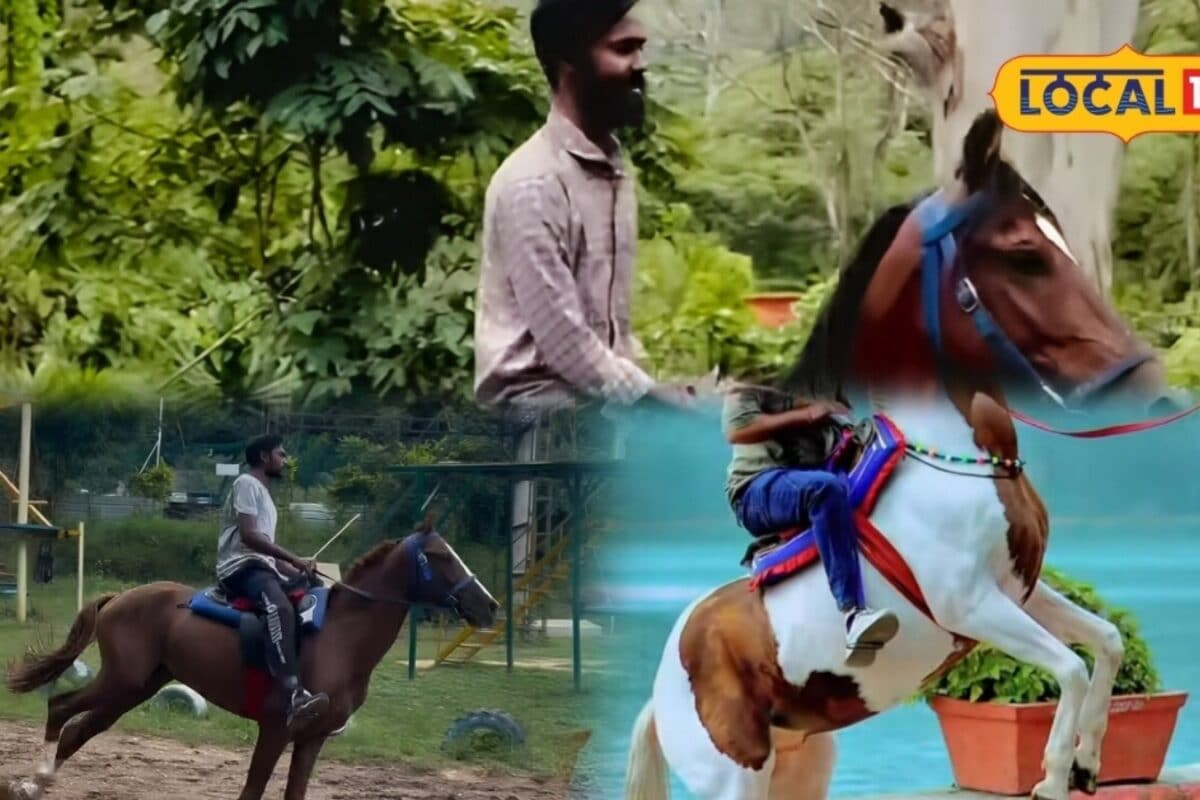
Travelers visiting Mount Abu, the premier and exclusive hill station of Rajasthan, are increasingly embracing a blend of natural scenic beauty and engaging adventure activities. Beyond the traditional sightseeing of hills and lakes, visitors now have structured access to horseback riding across several prominent tourist zones within the municipality. This experiential offering enhances the overall tourism portfolio of the destination, attracting families, adventure enthusiasts, and nature lovers alike who seek an immersive way to explore the terrain.
Historically, Mount Abu has functioned as a primary recreational sanctuary, drawing travelers from across northern and western India to escape warmer plains. Over the decades, local entrepreneurship has evolved to complement the natural landscape with accessible tourism services. Among these traditional services, horse riding has steadily emerged as a cherished recreational staple, blending historical equestrian presence in the region with contemporary commercial tourism demands, thereby establishing a reliable livelihood for local residents.
Examining the ground reality and logistical framework reveals that dedicated horse riding services are strategically concentrated around key tourist hubs. Specifically, the designated locations comprise the Arya Samaj parking area near Nakki Lake, the Tibetan Market extending toward Sunset Road, and the adventure sports zone situated along Delwara Road. These locations ensure high visibility and accessibility for visitors navigating the central corridors of the hill station, allowing local service providers to efficiently manage tourist flow and adhere to designated municipal routes.
Financial stakes and operational figures associated with this trade are transparently structured to accommodate varied visitor itineraries. At the Tibetan Market horse point, standard tariffs range between 150 and 300 rupees, depending strictly on the duration and distance of the chosen route. Furthermore, specialized arrangements exist where horse owners facilitate extended rides spanning one to two hours, contingent upon advance payment agreements directly negotiated between the visitor and the service provider, ensuring customized experiences.
The broader socio-economic impact of this tourism sector is substantial for the local community, notably providing sustained employment and income generation for more than three dozen local horse owners. This economic activity directly supports numerous families residing in the vicinity of Mount Abu, fostering grassroots economic resilience. By retaining traditional livestock management and applying it directly to modern hospitality, these micro-entrepreneurs contribute significantly to the vibrant local bazaar economy and regional tourism sustenance.
Administrative oversight and operational standards are maintained collaboratively through local municipal awareness and traditional trade practices. Horse owners ensure that their animals are well-maintained and accustomed to handling tourists along paved and unpaved pathways. The primary animal breeds utilized for these recreational rides are the majestic Marwari and Kathiawari horse breeds, renowned for their endurance, striking physical characteristics, and historical significance in the region, which further enriches the cultural authenticity of the visitor experience.
Looking toward the forward outlook, local stakeholders and tourism authorities anticipate sustained interest in these traditional adventure activities as tourist inflows remain steady throughout peak seasons. Continued cooperation between municipal administration and local service providers aims to preserve designated routes, maintain animal welfare standards, and ensure transparent pricing structures. This balanced approach guarantees that horseback riding in Mount Abu will remain a cherished, affordable, and sustainable recreational attraction for years to come.
