
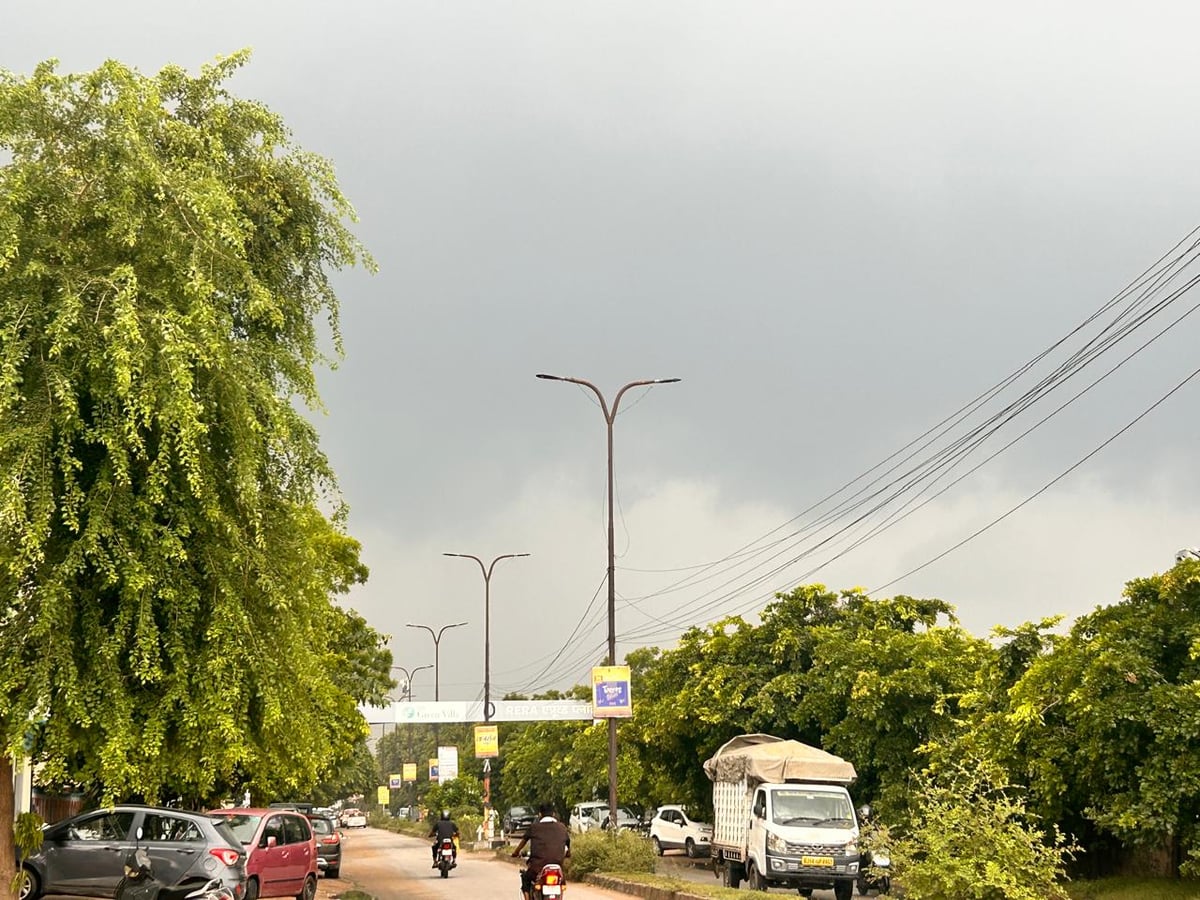
The formal withdrawal of the southwest monsoon has officially commenced across the state of Rajasthan, bringing a significant reduction in rainfall activities and marking the transition to dry autumn weather. As the rain-bearing winds retreat, dry meteorological conditions have rapidly taken over the region, causing daytime temperatures to surge significantly. Most notably, the desert district of Jaisalmer has already breached the 40-degree Celsius mark, signaling an intense onset of late-September heat. The meteorological department has indicated that this dry spell and rising heatwave-like conditions will persist over the next four to five days across most parts of the state.
The departure of the monsoon is an annual meteorological transition that marks the end of the heavy summer rains which replenish the state's water reservoirs. This transition period is characterized by a shift in wind directions and a rapid decline in atmospheric humidity. While the monsoon brought substantial relief and filled local water bodies over the past few months, its withdrawal often leads to a temporary phase of high temperatures, commonly referred to by meteorologists as the 'second summer' or post-monsoon heat spike.
On the ground, the sudden cessation of rainfall has led to immediate changes in daily weather patterns. In western Rajasthan, the dry heat has become particularly pronounced, with Jaisalmer recording maximum temperatures exceeding 40 degrees Celsius. Other neighboring districts are also experiencing a steady rise in daytime temperatures, while the eastern and northern regions of the state are witnessing a sharp drop in humidity levels, making the afternoon sun feel increasingly harsh for residents and outdoor workers.
Local agricultural experts and farmers are closely monitoring this weather transition, as it directly impacts the standing Kharif crops. While the dry weather is highly beneficial for the harvesting of mature crops like millet, pulses, and oilseeds, the sudden rise in temperature poses a challenge for late-sown crops that still require moderate moisture. Agricultural officers are advising farmers to utilize their localized irrigation systems efficiently to prevent crop damage from the sudden dry heat in the western belt.
In the Kotputli-Behror district, the weakening of the monsoon has resulted in warm, clear days with minimal cloud cover. Local residents are adjusting to the sudden shift from humid, rainy conditions to dry, sunny afternoons. The regional agricultural sector, which is currently preparing for the upcoming Rabi sowing season, relies on the residual soil moisture left by the monsoon. The current dry spell over the next four to five days is expected to accelerate field preparation activities across the district.
In response to the rising temperatures, local administrative bodies and health departments are preparing to issue guidelines to help citizens cope with the sudden heat. Health officials have advised the public, particularly in the warmer western districts, to take necessary precautions against dehydration and heat-related discomfort. Additionally, the state power distribution companies are monitoring electricity demand, which typically rises during such transitional heat spells due to the increased use of cooling appliances.
Looking ahead, the meteorological department's forecast suggests that the dry weather pattern will firmly establish itself over the next four to five days across almost all districts of Rajasthan. While isolated light showers cannot be entirely ruled out in the extreme southern pockets of the state, the overall trend points toward a complete cessation of monsoon activity. Citizens, farmers, and administrative agencies are now preparing for a warm, dry transition into the autumn season.