
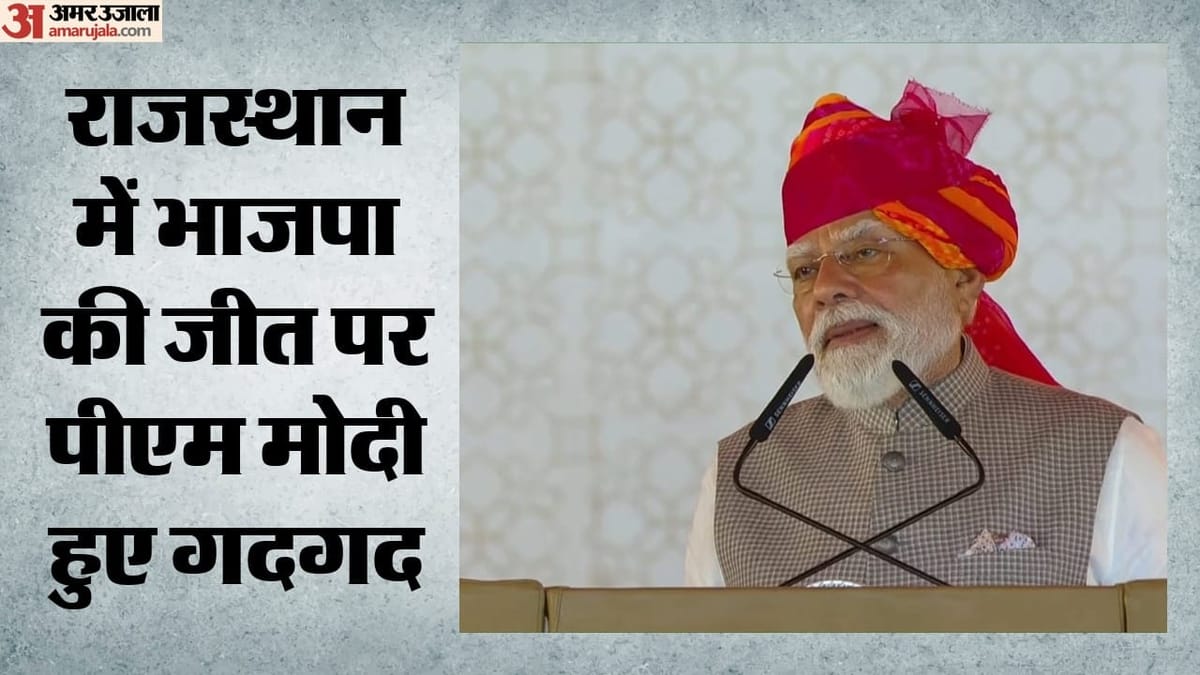
Prime Minister Narendra Modi expressed gratitude to the electorate of Rajasthan after the Bharatiya Janata Party (BJP) emerged victorious in the state’s recent municipal elections, a development that underscores the party’s continued foothold in urban local governance. The announcement, made during a press briefing in New Delhi, highlighted the electorate’s endorsement of the BJP’s policies and signalled a broader political narrative that the ruling party seeks to project at both state and national levels.
The Rajasthan municipal polls, conducted under the supervision of the State Election Commission, marked the latest chapter in a series of urban elections that have historically served as a barometer for public sentiment toward the central and state governments. Over the past decade, the BJP has consolidated its presence in major cities such as Jaipur, Jodhpur, and Udaipur, often positioning municipal performance as a micro‑cosm of its broader development agenda. Analysts note that the party’s focus on infrastructure, sanitation, and digital initiatives has resonated with urban voters, who increasingly demand efficient service delivery.
While exact vote counts and seat tallies remain to be officially released, preliminary reports indicate that the BJP secured a majority of the contested wards across a range of municipalities, ranging from large metropolitan councils to smaller town bodies. The party’s organizational machinery, characterised by a robust cadre network and coordinated campaign strategies, played a decisive role in mobilising voters. Financially, the election process involved substantial expenditures on campaigning, voter outreach, and logistical arrangements, reflecting the high stakes attached to control over municipal resources and decision‑making authority.
Stakeholder reactions have been largely supportive of the outcome. Local business owners in Kotputli expressed optimism that the BJP’s continued governance will facilitate smoother regulatory processes and encourage investment in small‑scale enterprises. Civic activists, while acknowledging the party’s track record on certain civic amenities, called for greater transparency in budgeting and a stronger focus on environmental sustainability. The Prime Minister, speaking without direct quotation, reiterated his confidence in the elected representatives, urging them to translate the mandate into tangible improvements for citizens.
For the Kotputli‑Behror district, the election results carry particular significance. The region, which has witnessed steady population growth and expanding commercial activity, stands to benefit from increased municipal funding and priority projects under the BJP’s urban development framework. Local officials anticipate that the newly elected councilors will advocate for upgraded road networks, enhanced water supply systems, and the establishment of skill‑development centres aimed at youth employment. The district’s agricultural hinterland may also experience ancillary benefits through improved market linkages facilitated by better urban infrastructure.
In response to the electoral outcome, the Rajasthan state administration has outlined a series of procedural steps to ensure a smooth transition of power within the municipal bodies. The State Election Commission will certify the final results, after which the elected representatives will be sworn in according to statutory timelines. Concurrently, the state government has pledged to allocate additional resources for capacity‑building programmes, aiming to equip councilors with the technical expertise required for effective urban management.
Looking ahead, the BJP’s municipal triumph is expected to influence the political calculus ahead of the next state assembly elections. Party strategists are likely to leverage the urban successes as a narrative of competent governance, while opposition parties may focus on addressing any perceived gaps in service delivery. Citizens, meanwhile, will be watching closely to see whether the promises articulated during the campaign translate into measurable improvements in daily life, from cleaner streets to more reliable public utilities.