
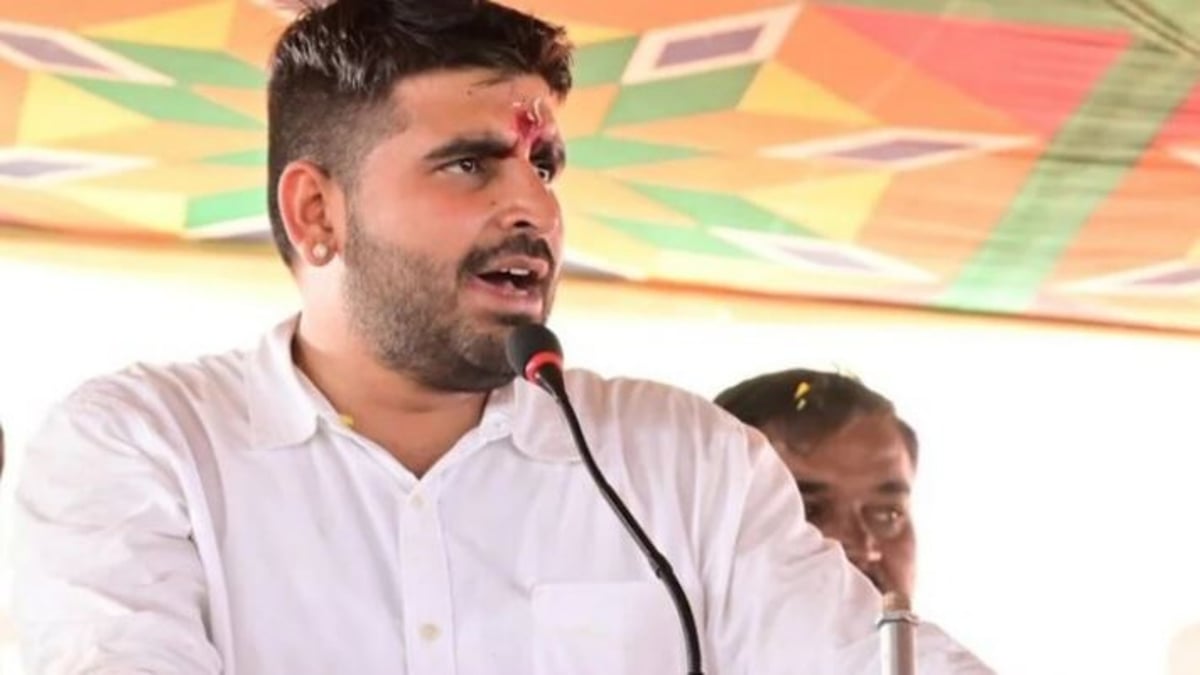
Independent MLA Ravindra Singh Bhati has formally initiated a high-profile public dialogue yatra starting from the district of Barmer, placing primary emphasis on the urgent need for structural simplifications and policy modifications within the Economically Weaker Section reservation framework. The commencement of this yatra marks a significant political development, drawing widespread attention from youth, aspirants, and community leaders across the region who have long voiced concerns regarding bureaucratic hurdles in accessing reservation benefits.
The genesis of this campaign lies in persistent difficulties encountered by deserving beneficiaries while renewing or utilizing their EWS documentation under current regulatory provisions. For a considerable duration, aspirants have grappled with stringent administrative timelines and restrictive validity clauses associated with these certificates, which often expire prematurely and necessitate repetitive, cumbersome verification procedures that disadvantage candidates during critical recruitment cycles.
At the heart of the ongoing discourse are specific operational demands raised during the launch event in Barmer, spearheaded by MLA Ravindra Singh Bhati. The core propositions directly target the extension of the validity duration of EWS certificates to alleviate the annual documentation burden on applicants, alongside a resolute administrative push to secure formal recognition for state-issued EWS certificates at the central government level for nationwide employment and educational opportunities.
Various stakeholders, including student organizations, legal experts, and aspirants, have actively weighed in on the unfolding situation, expressing strong support for the policy changes championed by MLA Ravindra Singh Bhati. Citizens argue that standardized rules across both state and central jurisdictions would eliminate unnecessary ambiguities, ensuring a seamless, transparent, and equitable distribution of affirmative action benefits to every genuinely deserving candidate without administrative friction.
While the immediate epicentre of the campaign remains Barmer, the ramifications of these policy demands extend far toward administrative centers, resonating deeply among regional communities in districts such as Kotputli-Behror where young aspirants closely monitor central and state recruitment policies. Local youth groups and educational circles are increasingly discussing how nationwide uniformity in reservation credentials would directly influence their career trajectories and competitive examination preparations.
In response to the mounting pressure generated by the yatra led by MLA Ravindra Singh Bhati, administrative observers and policy analysts anticipate a potential review of the existing operational guidelines by relevant governmental authorities. While formal statutory changes require detailed legislative deliberation, public advocacy is expected to compel policymakers to re-evaluate the logistical feasibility of certificate validity extensions and inter-governmental recognition protocols.
Looking forward, the public dialogue yatra is projected to expand its geographic footprint across multiple districts, building sustained public consensus and formalizing memoranda to be submitted to higher authorities. As MLA Ravindra Singh Bhati continues to mobilize public support from Barmer, the movement stands as a definitive test of administrative responsiveness to grassroots policy grievances concerning the EWS reservation framework.