
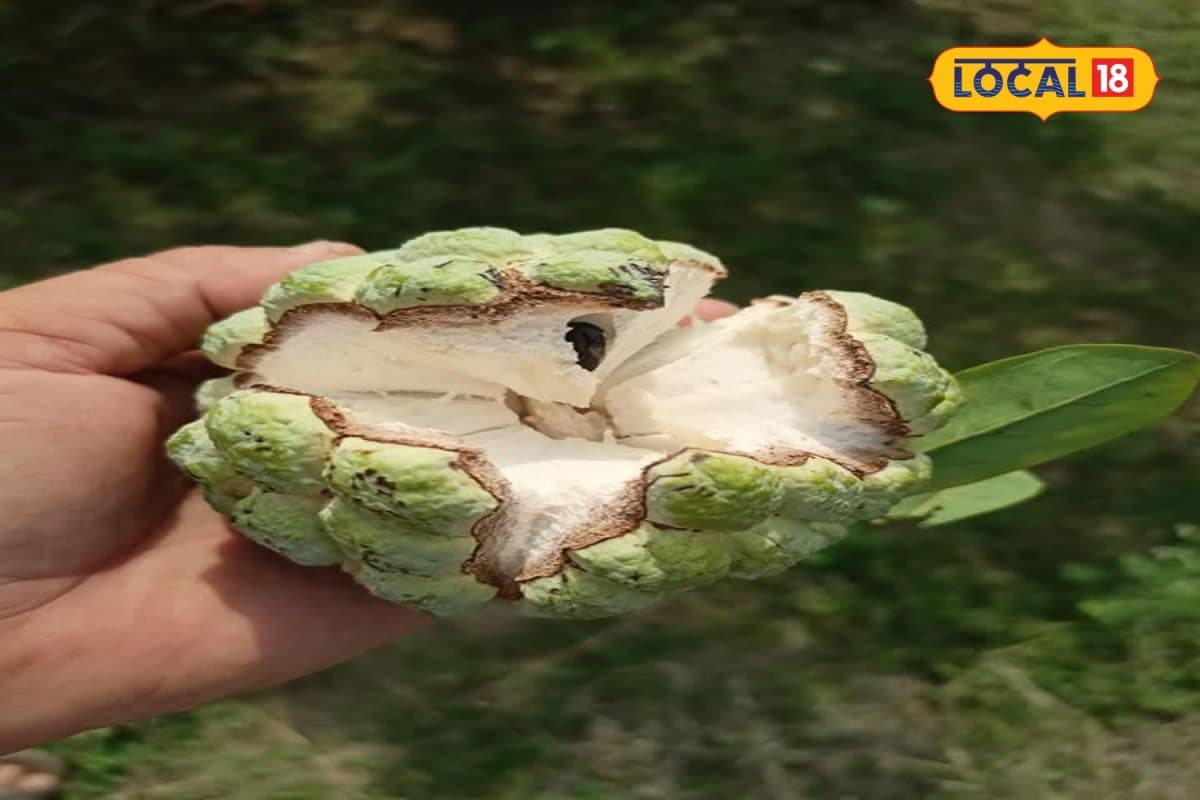
The wild custard apple, locally known as sitafal and harvested from the dense forest tracts of the Mewar region in Udaipur district, has evolved from a seasonal forest gather into a powerful engine of economic self-reliance for local tribal women. What was once predominantly collected for limited domestic consumption is now driving a substantial rural transformation, empowering indigenous households through structured trade and commercial recognition.
Historically, the naturally growing custard apple trees across Mewar's forest landscape yielded abundant fruit every season, but lack of market access meant gatherers received minimal returns. Over recent years, organized collection efforts and enhanced supply routes have systematically integrated these wilderness resources into structured commercial channels, elevating the humble forest fruit into a prized commercial commodity.
The economic footprint of the fruit has expanded dramatically, transcending regional mandis to establish a firm presence in international markets, including Dubai and the United States. The export of Mewar's wild custard apples highlights a growing global appetite for naturally harvested, high-quality organic produce, creating a direct financial pipeline back to the tribal hamlets of southern Rajasthan.
For the tribal women who head these collection activities, the surge in demand from domestic hubs and foreign destinations like Dubai and America represents more than just seasonal income. Community representatives emphasize that having a dependable revenue stream allows women to gain financial independence, support their households, and fund health and education needs independently.
The success of the Mewar custard apple trade serves as a compelling benchmark for resource-based rural livelihoods across Rajasthan, inspiring similar community-led initiatives in districts like Kotputli-Behror. By demonstrating that sustainably harvested local produce can meet rigorous international export standards, the initiative highlights the potential of empowering rural women through natural resource management.
Institutional mechanisms and administrative support structures are increasingly focusing on improving handling, grading, and cold-chain logistics to protect the short shelf-life of fresh custard apples during long-distance transit. These operational enhancements ensure that shipments destined for overseas markets like North America and the Middle East retain their quality, securing maximum monetary value for primary gatherers.
Looking ahead, the international trajectory of Mewar's custard apples promises sustained economic growth for the region's tribal communities. As supply networks mature and direct market links strengthen, the continuous demand from Dubai, the United States, and beyond is expected to solidify this forest produce as a permanent cornerstone of indigenous female empowerment and regional pride.
