
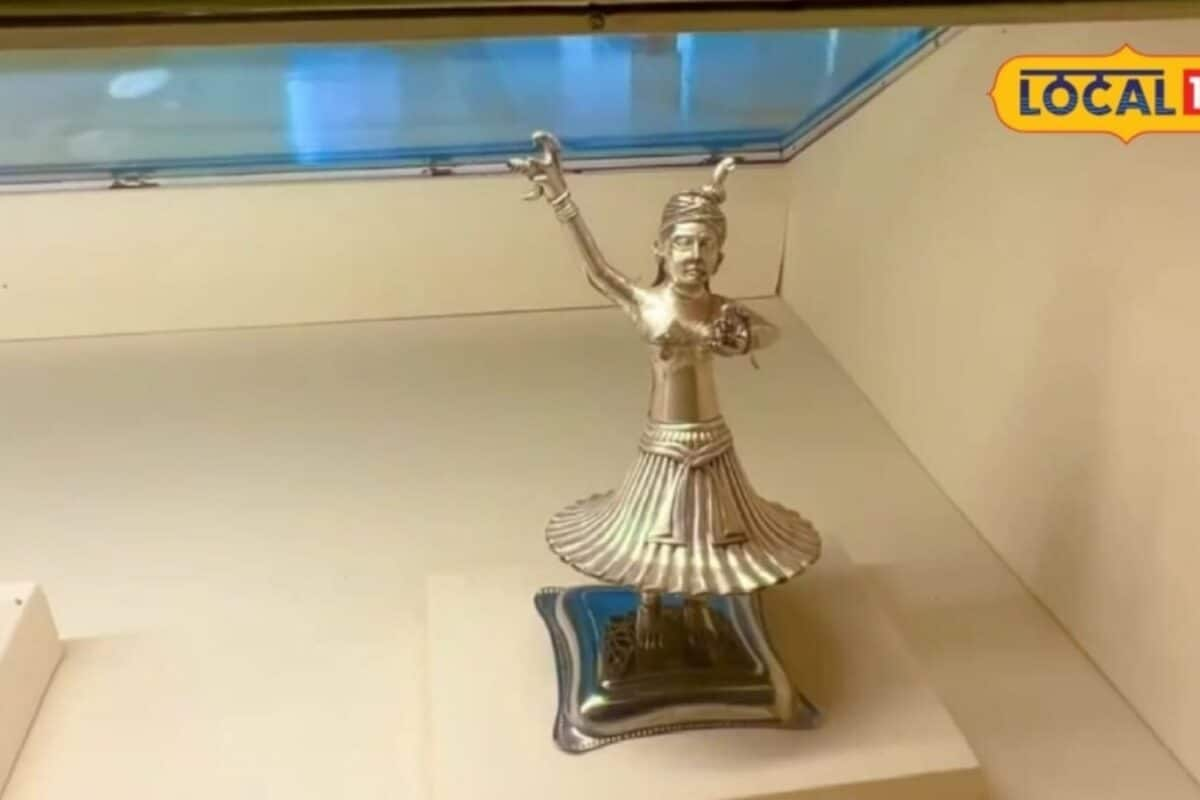
The Mehrangarh Museum, located in Jodhpur, continues to serve as a monumental repository of historical heritage, housing an exceptional collection of rare artifacts belonging to the era of kings and emperors. These carefully preserved objects possess unique structural designs and functional mechanisms that consistently astonish modern observers. Among the vast repository of cultural treasures, certain select items stand out remarkably due to their extraordinary aesthetic appeal and ingenious engineering, representing the pinnacle of historical craftsmanship.
Historically, the royal courts of Jodhpur were renowned for patronizing master artisans who specialized in creating utilitarian items infused with high artistic expression. The lifestyle of the royalty demanded items that were not only functional for daily courtly life but also served as symbols of immense wealth, luxury, and refined taste. Over the centuries, these items have been meticulously curated and preserved within the institutional framework of the Mehrangarh Museum, ensuring that future generations can witness the glorious material culture of the bygone princely states.
Among the prominent attractions drawing scholarly and public attention are a remarkably crafted wine bottle shaped like a dancing girl and a stunning betel nut box adorned with exquisite golden engravings. The wine bottle exhibits ingenious structural mechanics, designed meticulously so that wine could be poured directly into its apex, while a narrow internal tube connected to a hole in the figurine's hand facilitated consumption. Simultaneously, the betel nut box features microscopic metalwork resembling miniature swords, combined with intricate gold-plating that demonstrates the supreme dedication of historical metallurgists and craftsmen.
Offering authoritative insights into these exhibitions, Shakti Singh from Mehrangarh has detailed the intrinsic characteristics and historical relevance of these exceptional items. According to the observations shared regarding the exhibits, the intricate detailing reflects the unparalleled vision and dexterity of artisans who flourished under royal patronage. These descriptions provide visitors with a deeper understanding of the sophisticated social customs, entertaining traditions, and domestic luxury prevalent within the historic forts and palaces of Rajasthan.
The preservation and exhibition of such rare artifacts hold significant cultural value for the broader region, including communities across Rajasthan and districts such as Kotputli-Behror. By maintaining accessible public archives of royal heritage, institutions like the Mehrangarh Museum boost regional tourism, attract history enthusiasts, and stimulate local economic activities associated with heritage hospitality. Educational institutions frequently utilize these historical insights to foster cultural awareness and deepen student appreciation for traditional Indian arts and metallurgy.
Administrative oversight and museum curators maintain rigorous conservation protocols to protect these delicate metallic and artistic artifacts from environmental degradation. Controlled atmospheric conditions within the museum galleries ensure that ancient gold-plated items, delicate metallic tubes, and intricately carved containers remain structurally sound for continuous public exhibition. Museum authorities collaborate regularly with heritage preservation experts to implement advanced technological safeguards for long-term artifact security.
Looking ahead, the administration at Mehrangarh plans to introduce enhanced interpretive displays and digital informational guides to further enrich the visitor experience. These upcoming educational initiatives aim to shed more light on the lesser-known functional mechanisms of royal household items, ensuring that the legacy of historical craftsmanship is thoroughly understood. Public enthusiasm remains high as scholars and tourists continue to frequent the museum to witness these unique testicles of Jodhpur's glorious past.
