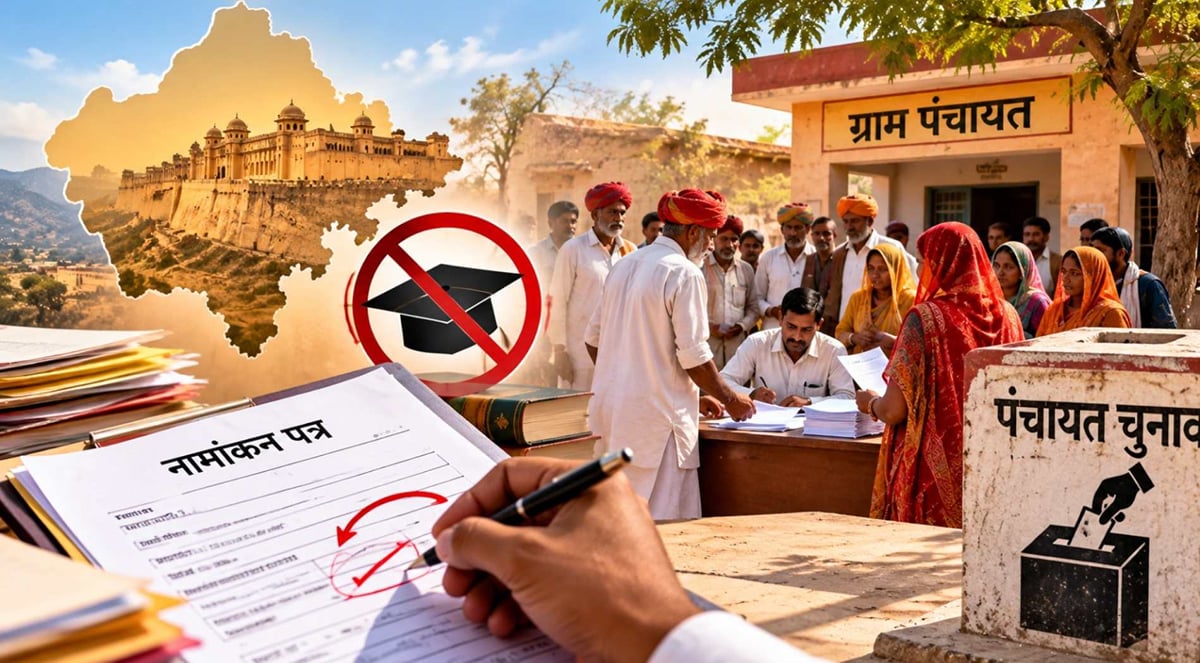
In a significant development concerning grassroots democracy, the mandatory educational qualification requirement for candidates contesting panch and sarpanch positions in the Panchayati Raj elections throughout Rajasthan has been officially lifted. This crucial policy update aims to remove longstanding barriers that previously restricted many willing individuals from participating in local governance.
Historically, the introduction of minimum educational criteria had generated intense debates among various socio-economic groups and political analysts across the state. While proponents argued that literacy standards could enhance administrative efficiency, critics consistently pointed out that such regulations inadvertently disenfranchised experienced rural leaders, elders, and marginalized sections of society who possessed immense grassroots wisdom but lacked formal schooling certificates.
Under the revised guidelines, aspiring candidates are no longer legally bound to attach minimum educational qualification certificates alongside their primary nomination papers. This procedural easing significantly minimizes the administrative hurdles that candidates frequently encountered while attempting to secure requisite verification documents from various academic boards or institutions within strict deadlines.
Local communities, community leaders, and prospective candidates have largely welcomed this announcement, viewing it as a progressive step toward inclusive democracy. Many citizens have expressed relief, noting that public service and administrative capability are fundamentally rooted in dedication, integrity, and local connect rather than formal academic credentials alone.
Examining the broader regional impact, this regulatory adjustment holds profound implications for rural constituencies and developing districts such as Kotputli-Behror, where local leadership dynamics heavily influence community welfare and grassroots development projects. By widening the electoral gateway, a larger pool of motivated individuals from diverse backgrounds is expected to step forward, thereby invigorating local political discourse and civic participation.
Administrative machinery and district election authorities are currently realigning their operational protocols to accommodate these modified nomination rules. Clear directives are being disseminated to returning officers and election personnel to ensure that the nomination filing process remains transparent, accessible, and strictly aligned with the updated statutory framework without causing any procedural confusion.
Looking ahead, as the electoral schedule progresses and local administrative bodies prepare for the upcoming phases, public expectations remain high regarding fair and unhindered participation. The authorities anticipate a smoother nomination phase, empowering grassroots representatives to contest elections and serve their local electorates with renewed enthusiasm and confidence.