
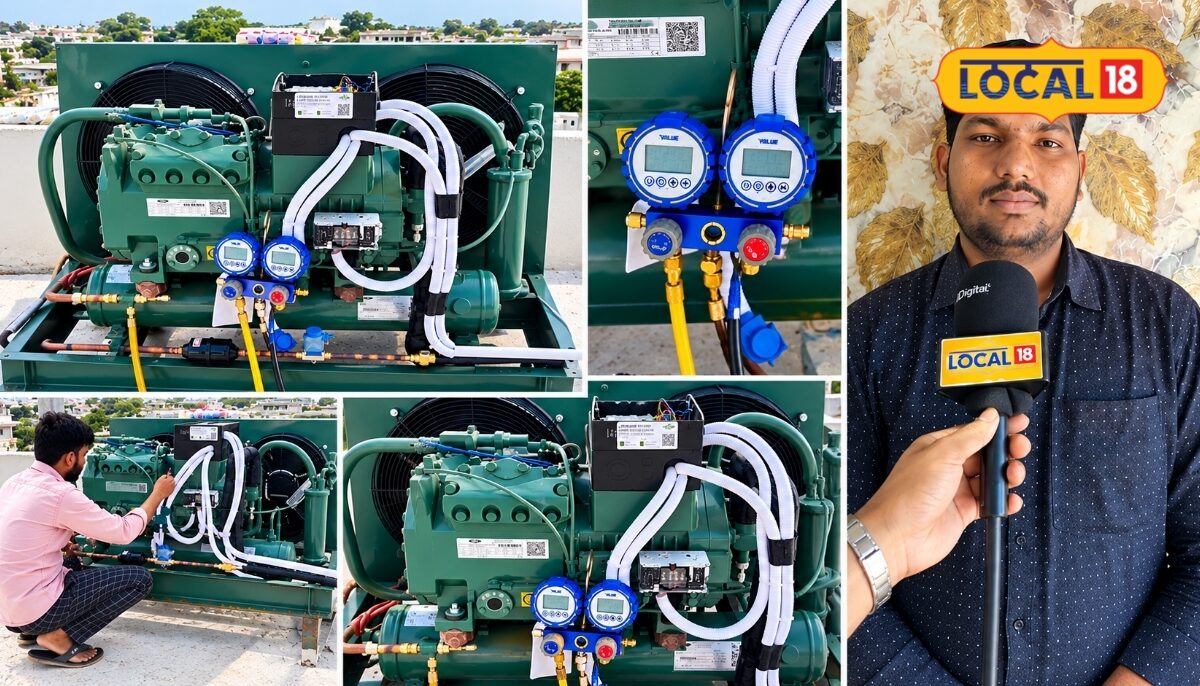
Establishing a commercial cold storage facility has emerged as one of the most promising and financially rewarding business models across the agricultural, food processing, and medical sectors in contemporary markets. This vital infrastructure plays an indispensable role in preserving the shelf life and quality of perishable commodities, including fresh fruits, essential vegetables, and critical life-saving pharmaceutical drugs. As modern supply chains increasingly demand robust preservation mechanisms to minimize post-harvest losses, entrepreneurs and investors are continuously exploring this sector as a viable pathway to substantial earnings and long-term commercial stability.
Historically, the storage and preservation of perishable goods relied heavily on traditional methods, which frequently resulted in massive economic losses for farmers, traders, and suppliers due to unmitigated spoilage and price volatility during peak harvest seasons. The rapid evolution of supply chain logistics and temperature-controlled warehousing has fundamentally transformed this landscape, turning cold storage units into absolute necessities rather than optional luxuries. Recognizing the critical need to bridge infrastructural gaps in the agricultural and medical supply chains, policymakers have introduced robust financial support frameworks to encourage private investment and modernize regional storage capabilities across various territories.
A comprehensive financial assessment reveals that the total expenditure required to set up a cold storage facility largely depends on the operational capacity, technological complexity, and refrigeration machinery utilized in the project. To alleviate the heavy initial capital burden on aspiring business owners, the government provides substantial financial backing through the MIDH scheme, which extends subsidies ranging from 35% to 50% for storage capacities up to 5,000 metric tonnes. Furthermore, recognizing the logistical challenges inherent in difficult terrains, hilly regions and specially designated zones are eligible for elevated subsidy rates reaching up to 50% to ensure equitable infrastructural development nationwide.
Industry stakeholders, agricultural economists, and commercial experts emphasize that while state assistance significantly eases the financial threshold, meticulous planning remains paramount for sustained profitability. Business owners, local traders, and cooperative societies have noted that transitioning into this venture requires thorough preliminary groundwork, including comprehensive project reporting and feasibility studies. Stakeholders strongly advise prospective investors to engage closely with agricultural extension officers and financial institutions to navigate the application procedures seamlessly while maintaining strict adherence to regulatory compliance guidelines.
Within developing regional economies and growing commercial hubs, the integration of advanced cold storage infrastructure generates profound localized economic impacts by empowering local cultivators to store their produce safely and command fairer market prices. By mitigating distress selling during times of surplus production, these facilities safeguard the agrarian community from severe financial shocks and ensure an uninterrupted year-round supply of essential vegetables and fruits to local consumers. Consequently, local trade associations and community leaders view this commercial opportunity as a vital catalyst for regional economic revitalization and employment generation.
To ensure transparent implementation and optimal utilization of public funds, administrative bodies and regulatory authorities maintain strict oversight over the sanctioning and execution of subsidized cold storage projects. Official protocols require applicants to submit detailed technical blueprints, environmental clearances, and verified land documentation before financial disbursements are finalized. Administrative departments regularly conduct inspection audits to verify that the constructed units adhere strictly to prescribed engineering standards, energy efficiency norms, and safety regulations stipulated under national infrastructural guidelines.
Looking ahead, the horizon for cold storage enterprises appears exceptionally promising, backed by continuous technological advancements and favorable governmental policies aimed at doubling farmers' income and strengthening medical supply chains. Prospective investors are advised to utilize the coming months to finalize their comprehensive project reports, secure reliable electricity and transportation linkages, and complete subsidy application formalities under the MIDH scheme. With sustained administrative encouragement and strategic market planning, this business model promises enduring financial prosperity and robust infrastructural growth for the entire community.
