
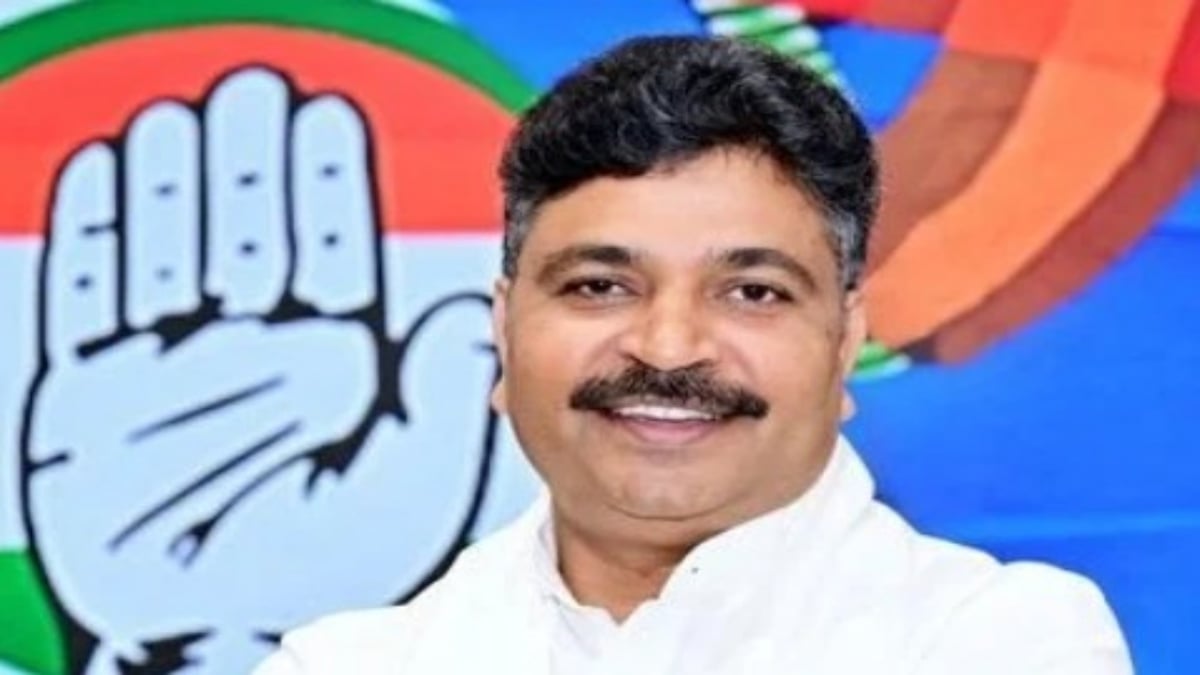
In a sharp political development emanating from Jaipur, Leader of Opposition Tikaram Jully launched a comprehensive and severe critique against the ruling Bharatiya Janata Party. Addressing core political dynamics across Rajasthan, the senior opposition leader stated unequivocally that mere changes in the chief ministerial chair will fail to alleviate the deep-seated public resentment and administrative dissatisfaction prevailing throughout the state.
Providing historical context to the ongoing political standoff, the opposition camp pointed out that successive policy implementations and shifting political maneuvers by the ruling establishment have consistently alienated critical segments of the populace. Observers note that the current discourse follows a turbulent phase of electoral contests and administrative realignments within Rajasthan, setting the stage for intense political rivalry.
Delving into the specifics of recent electoral processes, Jully highlighted alarming trends observed during the elections for district chiefs (Zila Pramukhs) and block pradhans. He explicitly accused the ruling party of deploying administrative pressure and orchestrating alleged horse-trading maneuvers to manipulate outcomes, thereby compromising the sanctity of grassroots democratic institutions in Jaipur and other regional administrative centers.
Amplifying the grievances of various political stakeholders, the opposition leaders maintained that citizens and local representatives are increasingly disillusioned with backroom political maneuvering. While community leaders and grassroots workers demand absolute transparency, the current political climate remains heavily charged with mutual accusations of coercion and unfair electoral practices.
Examining the broader regional impact across districts such as Kotputli-Behror and surrounding areas, political analysts observe that controversies surrounding local body elections directly affect administrative efficiency and grassroots development. The local economy and civic governance often bear the brunt of prolonged political friction, impacting public trust in democratic bodies.
Addressing the administrative dimensions of these allegations, civil society groups and regional observers continue to call for stringent oversight by statutory election authorities. Ensuring a level playing field during district chief and pradhan elections remains a paramount requirement to uphold constitutional principles and restore faith in the electoral framework of Rajasthan.
Looking toward the forward outlook and upcoming political timeline, the opposition has signaled an intensified campaign to hold the government accountable on all fronts. As political parties prepare for future electoral battles across Jaipur and the wider state, public expectations center on transparent governance, ethical political conduct, and a tangible shift in the political landscape of Rajasthan.
