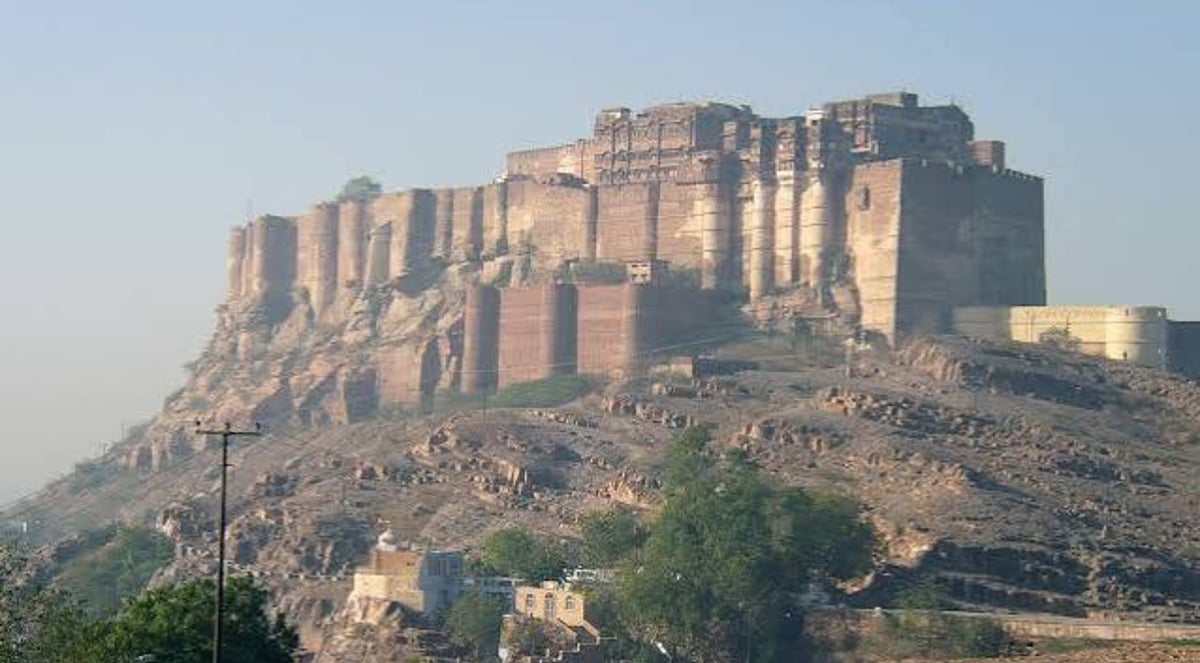
Jodhpur is poised to secure a monumental global distinction as administrative and cultural authorities accelerate comprehensive efforts to transform the historic Mehrangarh Fort into India's very first UNESCO Global Geopark. This prestigious designation aims to highlight the extraordinary geological heritage encapsulated within the region, drawing international attention to the unique landscape of western Rajasthan. The initiative marks a paradigm shift in how historical monuments intertwined with rare geological formations are preserved and promoted on the international tourism and scientific map.
At the heart of this grand heritage initiative lies a magnificent geographical marvel, as the entirety of the Mehrangarh Fort stands majestically upon a remarkable 750-million-year-old rock formation. This ancient geological foundation has witnessed millions of years of earth's evolutionary history, providing geologists, historians, and researchers with an unparalleled natural laboratory. The preservation of this prehistoric rock structure alongside the medieval architectural masterpiece offers a dual testament to natural evolution and human history in Jodhpur.
To turn this visionary proposal into a concrete reality, extensive logistical and intellectual groundwork has been successfully executed. Detailed academic investigations and thorough research work regarding the geographical boundaries, geological formations, and ecological significance of the site have already been completed. Experts have systematically documented the unique features of the 750-million-year-old terrain to satisfy the rigorous international standards mandated by UNESCO for global geopark recognition.
A collaborative framework involving key cultural and preservation institutions has proven instrumental in driving this initiative forward. Specifically, the Mehrangarh Museum Trust and the Indian National Trust for Art and Cultural Heritage (INTACH) are actively collaborating on this prestigious project. Their joint expertise in heritage conservation, historical documentation, and infrastructural management ensures that the delicate balance between promoting tourism and preserving the ancient rock foundation is meticulously maintained.
The successful establishment of India's first UNESCO Global Geopark in Jodhpur is anticipated to generate profound positive ripple effects across the broader regional economy, extending its benefits far beyond the immediate city limits. Regional stakeholders, local businesses, hospitality sectors, and academic institutions in neighboring districts stand to gain immensely from the influx of geo-tourists, researchers, and international travelers. This economic boost promises to create sustainable livelihood opportunities while fostering regional pride in Rajasthan's unmatched geological and historical legacy.
Administrative oversight and statutory planning are being handled with utmost precision to align with international conservation protocols. Government bodies, heritage experts, and institutional administrators are working in tandem to establish the necessary regulatory frameworks that safeguard the 750-million-year-old geological site from unregulated commercial exploitation. These administrative measures guarantee that the integrity of the landscape remains uncompromised as the project moves toward its final international submission.
Looking ahead, the successful culmination of these rigorous preparatory phases sets an inspiring benchmark for heritage conservation across the nation. With academic research fully completed and collaborative frameworks firmly established by the Mehrangarh Museum Trust and INTACH, stakeholders now eagerly await the final evaluations and official declarations from global bodies. This forward-looking endeavor not only elevates Jodhpur on the world geological stage but also paves the way for future geopark designations across India.