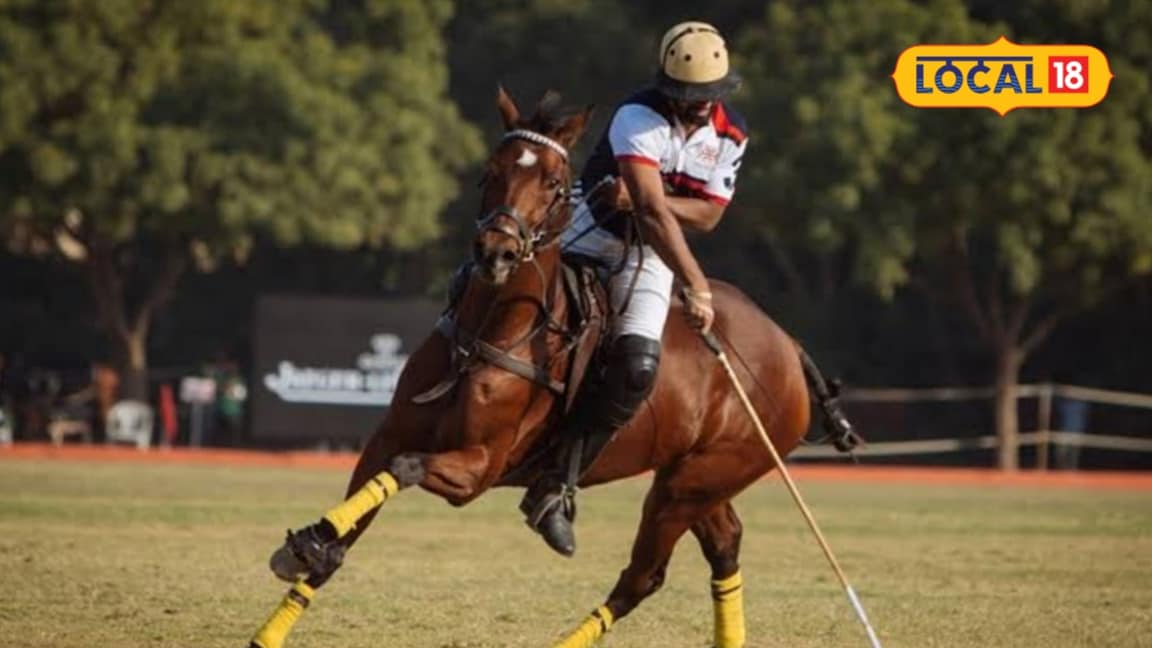
The historic city of Jodhpur has once again become the focal point of traditional equestrian sports as the Maharaja Gajsingh Sports Foundation Polo Ground, located in the Pabupura area, officially launched its intensive 30-day horse riding camp. This significant sporting event marks a vibrant resurgence of equestrian activities, drawing considerable enthusiasm from local youth, sports enthusiasts, and professional trainers alike. The inauguration of the camp signifies a concerted effort to promote equine sports in a region renowned for its deep historical ties with horses and royal heritage.
Historically, Jodhpur has held a prestigious position in the annals of Indian polo and equestrian traditions, serving as a cradle for some of the finest riders and polo players in the country. The establishment and continuous utilization of venues like the Maharaja Gajsingh Sports Foundation Polo Ground in Pabupura underscore the region's dedication to maintaining these legacy sports. Over decades, such training grounds have evolved from royal training domains into structured sporting academies that systematically foster discipline, physical endurance, and equestrian mastery among successive generations.
The current 30-day training program is meticulously structured to provide participants with comprehensive exposure to various facets of horsemanship. Beyond basic riding skills, trainees receive specialized instruction in advanced disciplines such as show jumping, dressage, tent pegging, endurance riding, and the strategic game of polo. These activities demand exceptional physical agility, mental focus, and a profound understanding of animal behavior, ensuring that participants develop a holistic skill set under the guidance of experienced instructors.
Sporting authorities, veteran riders, and local community stakeholders have expressed immense optimism regarding the long-term benefits of this month-long training camp. Observers note that such initiatives not only revive interest in heritage sports but also instill core values of perseverance, leadership, and sportsmanship among the youth. Parents and community members have welcomed the program, viewing it as a constructive channel for youth engagement and physical development during the seasonal training period.
While the immediate impact is most visible within Jodhpur and its surrounding districts, the ripple effects of structured equestrian training extend across the broader socio-cultural fabric of Rajasthan. Promoters of traditional sports emphasize that maintaining rigorous training camps in venues like the Pabupura polo ground helps preserve the rich cultural tapestry associated with equine heritage. Furthermore, it stimulates local interest in sports tourism and related vocations, reinforcing the state's identity as a premier destination for equestrian excellence.
Administrative oversight and logistical management for the camp are being handled with strict adherence to safety protocols and professional standards. Organizers have ensured that the Maharaja Gajsingh Sports Foundation Polo Ground is equipped with the necessary infrastructure to accommodate both novice learners and advanced participants safely. Coordinating committees work diligently to monitor daily training sessions, animal welfare, and participant progress, ensuring an environment conducive to high-level athletic training.
Looking ahead, the conclusion of this 30-day camp is anticipated to culminate in exhibition matches and demonstrations that will showcase the newly acquired skills of the participants. Organizers plan to use this milestone to evaluate the success of the current curriculum and lay the groundwork for future advanced training modules. As the hooves continue to echo across the Pabupura grounds, Jodhpur firmly reaffirms its enduring legacy as a proud sanctuary for equestrian sports in India.