
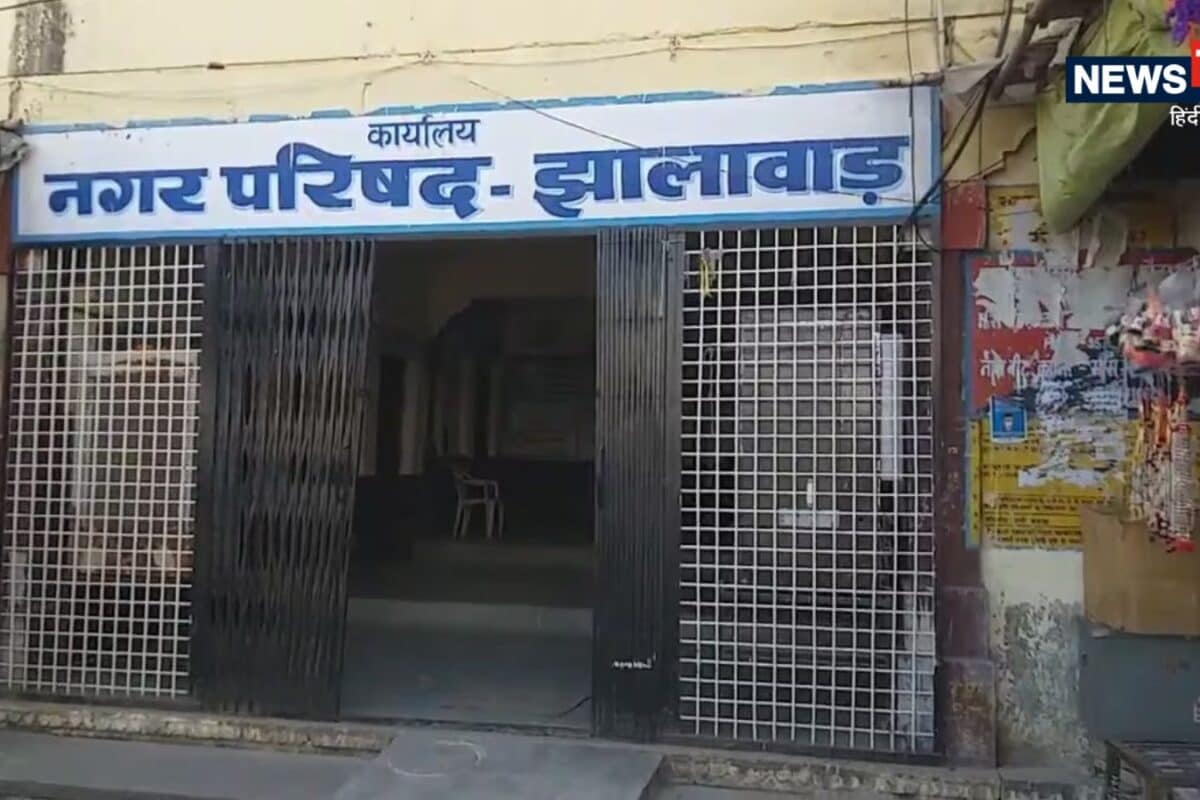
Political tensions in Jhalawar have reached a critical juncture just twenty-four hours before the highly anticipated municipal council chairman elections. The administrative and political corridors are witnessing intense activity as parties strategize for the upcoming vote. Amidst this high-stakes environment, the Congress party has brought forth serious allegations concerning the safety and security of its elected representatives.
The sequence of events leading up to this intense standoff involves standard political protocols of safeguarding councilists through secluded lodging arrangements, commonly known as horse-trading prevention strategies. Historically, local urban body elections in Rajasthan, including those in Jhalawar, witness fierce competition between major political factions, making the security of councilists a paramount priority for district party leadership.
The immediate catalyst for the current controversy emerged when Congress District President Virendra Gurjar stepped forward with alarming video evidence. According to the disclosures made by Virendra Singh Gurjar, the undisclosed hotel premises where Congress councilists have been sheltered is under constant surveillance by unidentified elements, raising serious questions about the maintenance of democratic norms during local elections.
Elaborating further on the alarming ground realities, local party functionaries and concerned observers have pointed out the logistical vulnerability of political camps during closely contested civic polls. The presence of unidentified vehicles without number plates parked near the lodging facility has transformed an administrative election into a high-security confrontation, prompting severe anxieties among party workers and leadership alike.
While the immediate geographical focus remains confined to Jhalawar, the broader implications resonate through regional administrative frameworks. Political analysts note that such escalations frequently impact local governance stability, administrative neutrality, and public trust in democratic electoral processes, setting a contentious precedent for municipal administration.
As the situation develops, local law enforcement agencies and district administrative officials face mounting pressure to verify the claims made by the Congress leadership and ensure absolute security around all sensitive political installations. Statutory oversight and preventive policing are expected to play a crucial role in maintaining public order and facilitating a peaceful voting environment.
Looking ahead, the formal voting process for the Jhalawar municipal council chairman is scheduled to proceed amidst heightened security arrangements and strict administrative vigilance. The outcome of this election, combined with the unfolding controversy over alleged surveillance, will undoubtedly shape the local political landscape for the foreseeable future.