
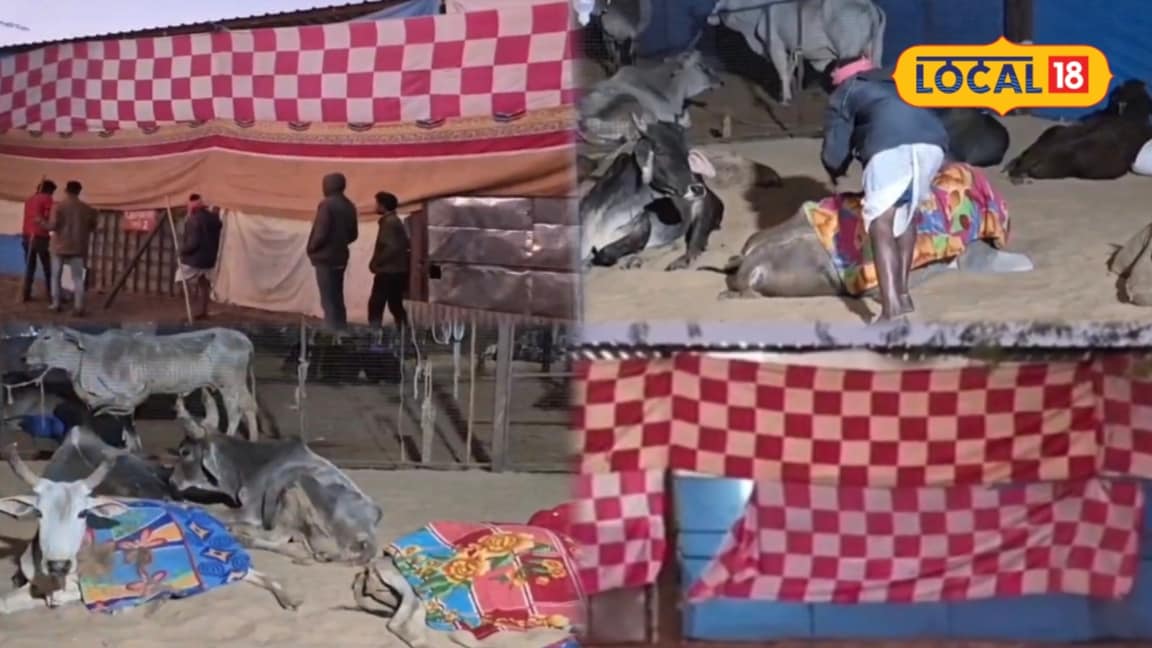
In the district of Jalore, a remarkable initiative of animal welfare and compassion has come to the forefront as a local welfare organization continues its relentless dedication toward community cattle. For the past three years, this institution has taken absolute responsibility for the protection, health, and daily upkeep of more than 400 cattle. Amidst dipping temperatures and severe weather conditions during the winter season, the organization has implemented comprehensive arrangements to ensure that the animals are shielded from extreme cold and distress.
The initiative began as a grassroots effort to address the vulnerability of stray and abandoned livestock roaming the streets during harsh climatic phases. Over the span of three years, the scale of operations has expanded significantly, establishing a structured shelter environment where daily necessities, medical aid, and shelter infrastructure are meticulously managed. The founders and volunteers recognized that unprotected animals suffer immensely during freezing nights, prompting the implementation of specialized protective gear and management protocols.
Delving into the ground reality of the shelter, extensive logistical measures are currently operational to safeguard the health of the 400-plus cattle. During the peak of winter, animals are wrapped in warm quilts and bedsheets, while sleeping quarters are reinforced against chilling winds. Water dams within the shelter premises have been systematically covered to regulate water temperatures, and large bonfires infused with carom seeds (ajwain) smoke are lit to purify the air and provide ambient warmth. These calculated measures highlight the meticulous planning involved in daily shelter management.
Community members, local volunteers, and regional stakeholders have expressed profound appreciation for the selfless service rendered by the institution. Observers note that the initiative sets a benchmark for compassionate animal husbandry and civic responsibility. The active involvement of locals ensures a steady stream of volunteers and resources, fostering a collaborative ecosystem where public welfare and animal protection intersect harmoniously across the district.
The broader regional implications of this welfare model resonate deeply across local communities, emphasizing the importance of organized social interventions. While specific regional impacts vary, the presence of such robust shelters alleviates the burden on municipal authorities and reduces the visibility of distressed animals on public thoroughfares. Citizens and local traders have praised the initiative for maintaining civic order while upholding ethical standards toward voiceless creatures.
Administrative and veterinary oversight plays a critical role in sustaining the high standards of care maintained at the Jalore facility. Professional veterinarians regularly monitor the health parameters of the resident cattle, administering timely treatments and designing specialized, high-calorie nutritional diets to boost immunity during winter months. This clinical supervision ensures that disease outbreaks are prevented and chronic conditions in rescued animals are managed effectively under expert guidance.
Looking forward, the leadership of the welfare organization aims to expand its operational capacities and enhance the reach of its emergency response systems. The free ambulance service, which swiftly responds to distress calls for injured cattle found stranded on roads, continues to be a vital lifeline for emergency rescue operations. Organizers remain committed to securing sustainable funding and community partnerships to ensure that this noble endeavor endures and expands for years to come.
