
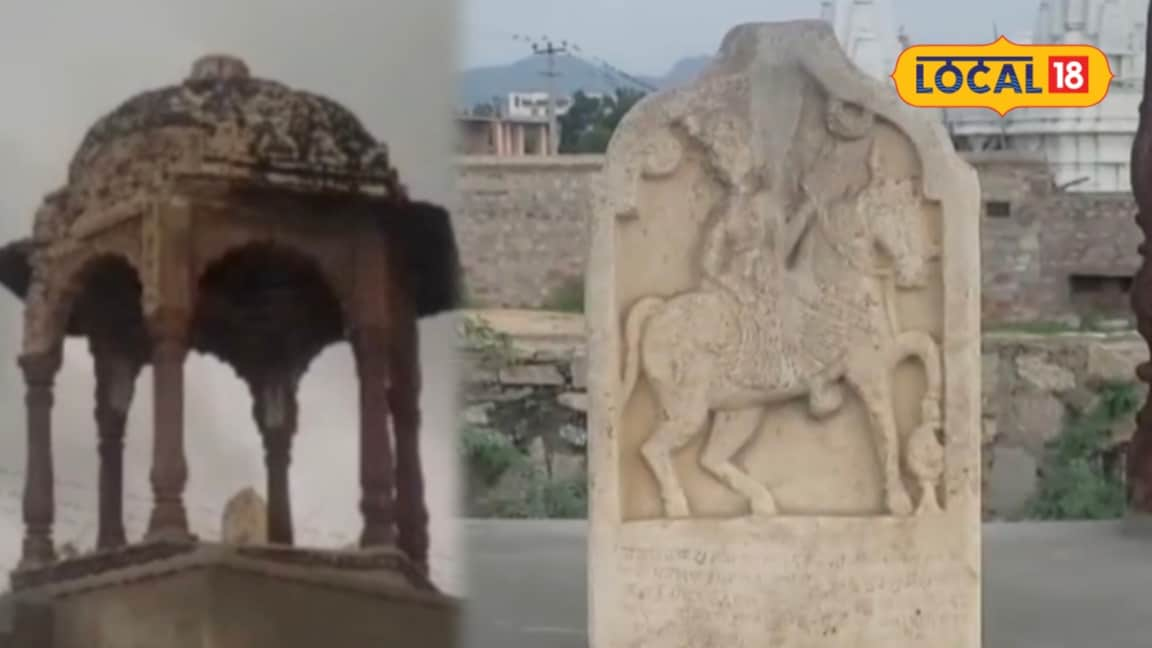
In a significant cultural assessment reported by the Kotputli Bureau on October 20, 2026, the 700-year-old historic monument known as the Sundar Raika Chhatri in Jalore, Rajasthan, continues to stand as a profound symbol of ancestry, faith, and tradition. This ancient architectural landmark, along with its associated statues, serves as the spiritual and cultural anchor for the Raika and Rebari communities across the region. Local historians and community custodians view the site not merely as a structure of stone, but as a living testament to the sacrifices and leadership of their revered historical forebears.
According to the detailed historical context gathered by our investigative team, Sundar Raika was a deeply respected ancestor whose legacy has been meticulously preserved through oral traditions and generational storytelling. The construction of the memorial chhatri centuries ago marked a pivotal moment in regional heritage preservation, capturing the architectural motifs of the era. The site encapsulates the socio-cultural fabric of Rajasthan, reflecting how ancient communities honored individuals who demonstrated exemplary valor, leadership, and dedication to pastoral traditions.
Ground details reported by field observers indicate that the site maintains significant structural integrity despite weathering centuries of environmental changes. While large-scale commercial tourism remains limited, the location experiences steady visits from community members, particularly during traditional festivals and commemorative gatherings. Local representatives highlighted ongoing ground realities, noting that the preservation of such historical assets relies heavily on community-led initiatives and voluntary guardianship passed down through families.
Speaking on behalf of the local stakeholders, community elders and regional representatives emphasized the urgent need for enhanced documentation and academic research regarding the architectural and anthropological value of the monument. Local representatives highlighted ongoing ground realities, pointing out that official recognition and structured preservation frameworks are essential to protect these lesser-known historical treasures from gradual degradation and encroachment.
The cultural resonance of the Sundar Raika Chhatri extends beyond the immediate boundaries of Jalore, influencing cultural discourse across the broader Kotputli-Behror district and neighboring administrative zones. Scholars and heritage enthusiasts from various institutions frequently examine these regional memorials to understand the intricate socio-religious dynamics of medieval Rajasthan. The site reinforces the economic and cultural identity of pastoral communities, who continue to draw inspiration from their historical roots in their daily lives.
Administrative response and oversight regarding rural historical monuments of this scale typically involve coordination between local village councils and state-level cultural departments. Although specific statutory interventions for this particular site are still evolving, regional authorities have increasingly acknowledged the importance of safeguarding heritage assets that lack mainstream tourist prominence. Stakeholders remain hopeful that structured dialogue between community leaders and government bodies will yield positive outcomes for long-term site maintenance.
Looking forward, the preservation roadmap for the Sundar Raika Chhatri encompasses community-driven awareness campaigns, archival documentation, and enhanced public access routes. As community leaders and researchers collaborate to highlight the historical importance of the monument, public expectations remain high for sustained institutional backing. The Kotputli Bureau will continue to monitor developments surrounding regional heritage preservation efforts and report on the unfolding narrative of Rajasthan's timeless traditions.
