
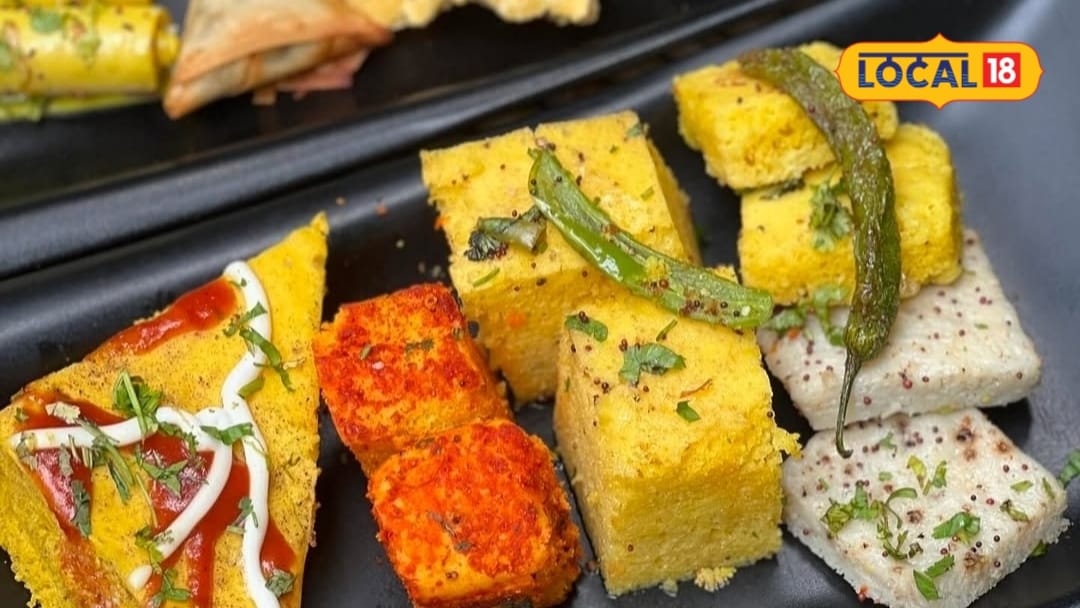
The historic Chowra Rasta market located in Jaipur has witnessed a remarkable transformation in its cultural and culinary landscape, emerging rapidly as a premier destination for traditional Gujarati street food enthusiasts. While the thoroughfare has historically retained its prestigious identity as a central marketplace for literature and books, the arrival of diverse breakfast options has redefined the morning atmosphere of the region. Citizens from various walks of life now frequent the market at the crack of dawn to experience the rich and diverse culinary offerings that have recently captured the public imagination across the capital city of Rajasthan.
Tracing the background of this culinary evolution reveals a fascinating synthesis of regional flavors seamlessly blending into the traditional commercial fabric of Jaipur. For generations, Chowra Rasta remained synonymous with scholarly pursuits, educational materials, and bookstores serving students and intellectuals alike. However, the gradual integration of Gujarati culinary traditions has introduced a refreshing dimension to the local economy and street food culture. Vendors bringing authentic recipes from Gujarat found a welcoming audience in Jaipur, successfully establishing a thriving market that caters to diverse palates without losing the area's inherent historical charm.
Examining the ground reality and financial accessibility of this culinary phenomenon highlights the remarkable affordability that draws crowds to the market every single morning. Delicacies such as khaman, dhokla, fafda, jalebi, khandvi, and thepla are made available to the general public at exceptionally pocket-friendly rates, ranging strictly between 30 rupees and 40 rupees per serving. This economical pricing structure ensures that individuals from all economic strata can enjoy high-quality, fresh breakfast items. The logistical hustle begins well before sunrise, as local culinary artisans prepare massive quantities of these savory and sweet dishes to meet the overwhelming daily demand of enthusiastic food lovers.
Stakeholder perspectives within the Chowra Rasta market emphasize a profound sense of community, devotion, and cultural continuity that underpins this bustling morning trade. A deeply cherished ritual observed by every vendor in the market dictates that the newly prepared breakfast must first be offered to Thakur Ji as a sacred religious offering before commercial transactions commence for the day. This spiritual observance infuses a sense of sanctity and gratitude into the daily operations, resonating deeply with both traders and patrons. Citizens expressing their admiration for the market point out that the unique combination of devotional ethos, unbeatable taste, and reasonable pricing creates an unmatched morning ambiance.
While the primary center of this activity remains concentrated in Jaipur, the burgeoning popularity of these Gujarati breakfast items holds significant cultural and economic implications for neighboring regions, including the Kotputli-Behror district. Food culture and traditional markets in Rajasthan constantly draw inspiration from such successful urban food hubs, often encouraging local culinary entrepreneurs in districts like Kotputli to diversify their offerings and adopt innovative vending practices. The cross-cultural exchange of culinary arts enriches the broader provincial economy, fostering a spirit of culinary tourism and small-scale business growth across multiple districts in the state.
Administrative oversight and local municipal management play a crucial role in maintaining the smooth functioning of such high-footfall commercial zones like Chowra Rasta. Authorities continuously monitor hygiene standards, pedestrian movement, and waste management to ensure that the influx of morning crowds does not disrupt the traditional book trade or pedestrian safety. Collaborative efforts between local trade associations and municipal bodies help regulate street vending spaces, ensuring that sanitation protocols are strictly adhered to while preserving the vibrant street food heritage that has become synonymous with modern Jaipur.
Looking toward the forward outlook and future trajectory of Chowra Rasta as a dual-identity marketplace, expectations remain exceptionally high among traders, visitors, and municipal planners alike. As more culinary enthusiasts discover the rich variety of affordable breakfast options available in the market, infrastructural improvements and organized promotional initiatives are anticipated to further boost commercial activity. Stakeholders remain optimistic that the harmonious coexistence of literary heritage and vibrant Gujarati street food will continue to draw generations of visitors, cementing Chowra Rasta's position as an enduring cultural landmark in Jaipur.
