
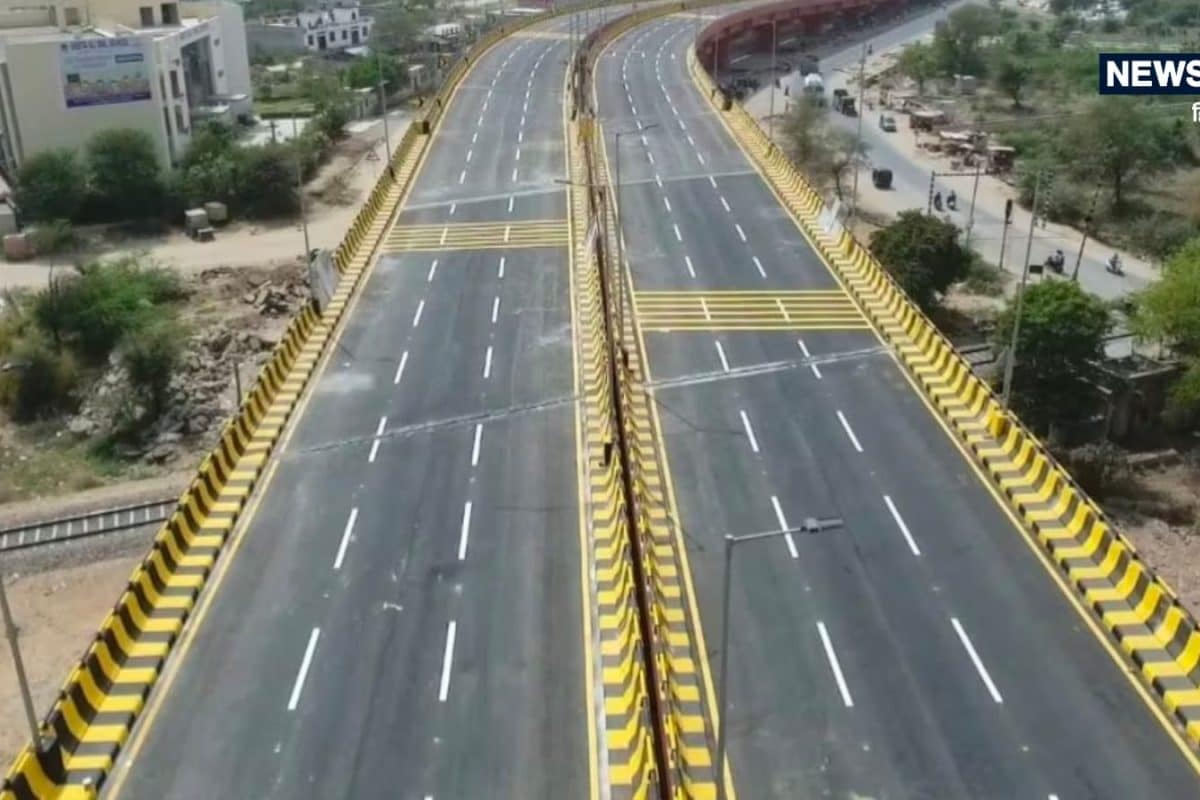
Jaipur road infrastructure is on the brink of a monumental transformation, as administrative authorities prioritize comprehensive development to revamp the urban traffic management system. The overarching framework centers around the meticulous execution of extensive northern and southern ring road projects, designed fundamentally to decongest central urban sectors. By upgrading the arterial connectivity network, regional planners intend to address persistent vehicular bottlenecks that have historically plagued commuters navigating through the capital territory.
The genesis of this ambitious infrastructural overhaul lies in long-standing urban mobility challenges, characterized by escalating vehicle densities and surging commercial freight movements. Over preceding decades, rapid urban expansion transformed Jaipur into a major economic hub, subsequently overwhelming legacy roadways that were never originally engineered to withstand contemporary traffic volumes. Recognizing these systemic vulnerabilities, regional transportation planners conceptualized a dual-ring strategy to segregate through-traffic from local metropolitan movement, laying the conceptual groundwork for the current multi-billion-rupee initiative.
At the center of this financial and logistical undertaking is the massive north ring road project, carrying an estimated fiscal outlay of 11,764 crore rupees. Spanning an impressive length of approximately 99.35 to 101 kilometers, this expansive bypass represents one of the most substantial capital investments in the state's transport sector. Following official clearance from the central government, the National Highways Authority of India has formally issued the statutory 3A notification, thereby initiating the mandatory land acquisition proceedings required to clear the designated right-of-way.
Key stakeholders, municipal planners, and local trade associations have largely welcomed the initiative, emphasizing its potential to stimulate regional commerce while alleviating urban congestion. Commercial enterprises operating within peripheral corridors anticipate expedited logistics and reduced transit delays for freight carriers. Concurrently, urban residents and daily commuters have expressed optimism regarding enhanced safety parameters and diminished noise pollution levels within residential zones once heavy commercial trucks are successfully diverted onto the newly proposed peripheral corridor.
The regional impact of this infrastructure development extends outward, positively influencing surrounding semi-urban settlements, commercial nodes, and peripheral communities. Specifically, the proposed alignment is slated to directly connect Chomu, Amer, Jamwaramgarh, Bassi, Chandwaji, and Achrol, thereby fostering integrated economic growth across these localities. This enhanced connectivity is expected to unlock latent real estate values, generate localized employment opportunities, and establish seamless supply chain pathways connecting rural production centers directly to major national transport arteries.
Complementing the northern developments, parallel administrative measures are actively underway to optimize the southern ring road network. Authorities have prioritized accelerating the construction of incomplete cloverleaf interchanges designed to seamlessly link crucial arterial paths, specifically Agra Road, Tonk Road, and Ajmer Road. This targeted intervention aims to eliminate existing structural bottlenecks at major junctions, ensuring uninterrupted vehicular flow across the southern periphery of the metropolitan region.
Looking toward the forward outlook, transport authorities anticipate that the successful execution of these interconnected projects will deliver a modern, resilient, and future-ready road network for Jaipur. As land acquisition procedures advance under the supervision of the National Highways Authority of India, public expectations remain high for adherence to projected timelines. Ultimately, these comprehensive infrastructural investments are projected to redefine regional mobility standards, establishing a robust foundation for sustainable urban expansion over the coming decades.
