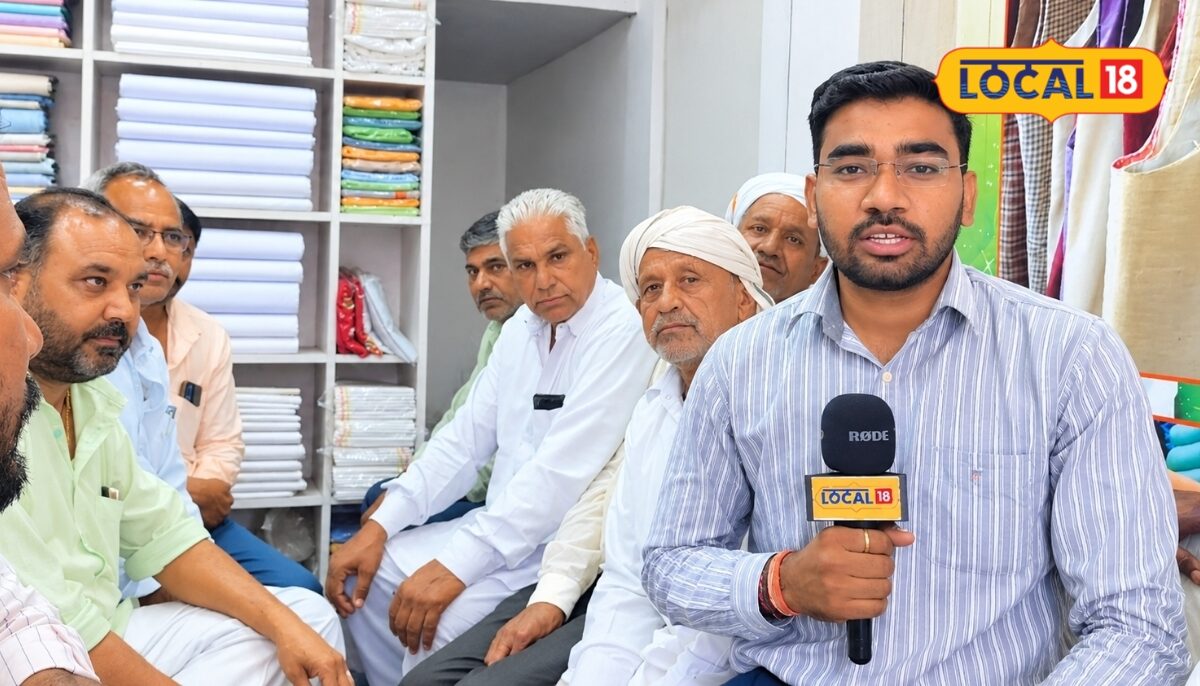
On the auspicious occasion of Gandhi Jayanti, khadi emporiums across Jaipur experienced an unprecedented surge of enthusiastic shoppers, drawn by a special 50 percent discount initiative. This seasonal rush reflects a significant cultural and lifestyle shift among urban consumers, who are consciously moving away from synthetic and fancy clothing in favor of indigenous handloom fabrics. The bustling scenes at various state and private outlets indicate a profound resurgence of interest in traditional textiles, blending contemporary comfort with historical reverence.
The historical context of this textile renaissance is deeply rooted in the philosophy of Bapu, who championed khadi not merely as a fabric, but as a powerful instrument of economic independence and rural empowerment. By wearing khadi, citizens symbolically and practically participate in a movement that traces its origins to the freedom struggle, keeping the ideals of self-reliance alive in modern society. This enduring legacy continues to resonate strongly during national festivals and commemorative dates, inspiring generations to value indigenous craftsmanship.
Examining the ground reality, the implementation of the 50 percent discount has drastically altered consumer purchasing patterns, making these historically premium garments much more accessible to middle-income families. Store operators and local merchants report that transaction volumes have multiplied manifold compared to routine business days. Beyond affordability, rigorous quality assurance standards, such as official hallmarks, ensure that buyers receive authentic hand-spun and hand-woven material, safeguarding consumer trust against substandard market imitations.
Stakeholder perspectives highlight a multifaceted motivation driving this consumer behavior. While many citizens initially visit outlets inspired by patriotic fervor on Gandhi Jayanti, extensive feedback reveals that health benefits and thermal comfort play a decisive role in their long-term preference. Consumers note that khadi possesses unique natural thermoregulatory properties, keeping the body cool during scorching summer months and providing warmth in winter, unlike petroleum-based synthetic fabrics that often cause skin irritation and discomfort.
The economic impact of this heightened seasonal demand extends far beyond urban retail storefronts, creating a vital lifeline for rural artisans and traditional weavers across the region. Direct purchases at subsidized or standard rates ensure that financial revenues flow uninterruptedly to the grassroots manufacturing sector, supporting artisan households and preserving centuries-old weaving techniques. Traders affirm that consistent patronage is crucial for sustaining the livelihood of weavers who depend entirely on handloom production.
Administrative bodies, cooperative societies, and khadi board officials maintain strict oversight to regulate pricing, authenticate product standards through hallmarking, and manage the logistical challenges posed by massive festival crowds. Authorities coordinate closely with retail managers to ensure smooth inventory management and transparent implementation of the financial concessions, thereby maximizing public benefit and maintaining absolute integrity in retail operations.
Looking ahead, market analysts and cooperative leaders anticipate that this renewed momentum will foster sustained consumer interest well beyond the immediate festive period. As urban populations increasingly prioritize sustainable living, health-conscious apparel, and ethical consumerism, khadi is well-positioned to secure a permanent place in contemporary wardrobes, ensuring that Bapu's vision of a self-reliant economy continues to thrive for generations to come.