
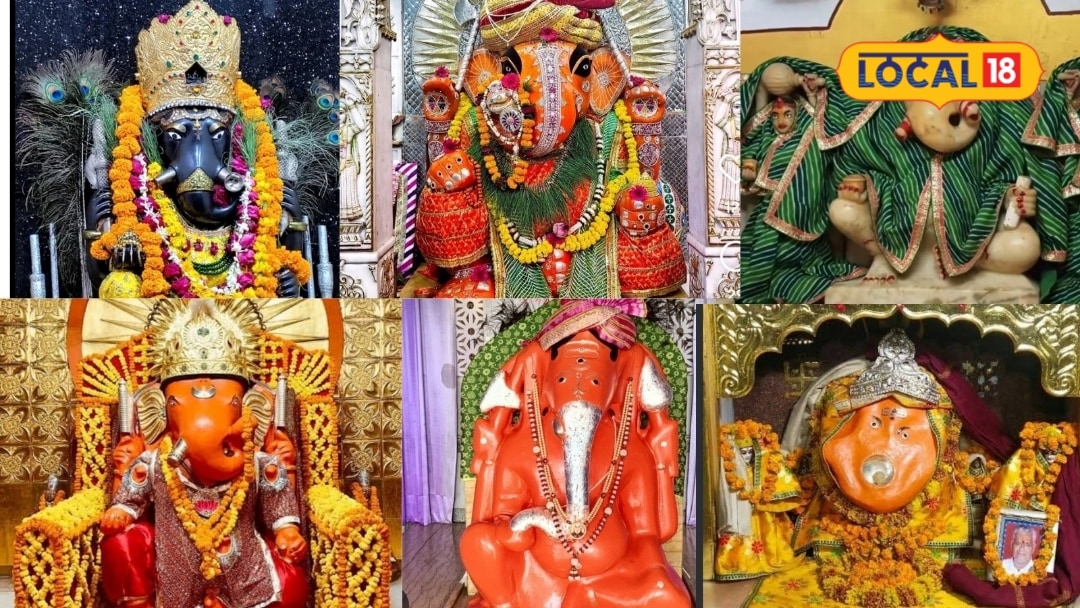
As the auspicious festival of Ganesh Chaturthi 2026 approaches, the historic city of Jaipur is witnessing unprecedented spiritual fervor and elaborate preparations. Across the metropolitan area and its surrounding districts, administrative machinery and temple committees are gearing up to manage the massive influx of worshippers expected during the celebrations. The festival, dedicated to Lord Ganesha, serves as a monumental cultural touchstone for the region, bringing together communities in a shared display of devotion, heritage, and traditional pageantry.
Historically, Jaipur is home to hundreds of prominent and lesser-known temples dedicated to Lord Ganesha, each boasting centuries-old architectural styles and unique legends. These sacred sites are not merely places of worship but are vital custodians of the city's rich royal ancestry and spiritual lineage. Over the decades, generations of families have preserved the distinct rituals, customary offerings, and traditional celebrations associated with these ancient shrines, passing down their sacred heritage from antiquity to the modern era.
According to local estimates, hundreds of traditional shrines dot the urban and rural landscape of Jaipur, with several holding centuries-old historical importance. During the peak days of the festival, especially on Ganesh Chaturthi, an estimated millions of devotees throng these hallowed premises from dawn until late at night. The sheer scale of participation translates into a massive logistical exercise, requiring extensive crowd management, meticulous traffic diversion plans, and robust safety protocols implemented across all major temple zones.
Local temple priests, community leaders, and market associations have expressed profound reverence regarding the upcoming celebrations, noting that the festival deeply revitalizes the cultural fabric of the region. Citizens and community elders emphasize that visiting these sacred shrines during the festival brings spiritual fulfillment and prosperity. Furthermore, local merchants and small business owners observe a significant upswing in commercial activity, as the demand for traditional sweets, floral garlands, brass idols, and decorative items surges exponentially ahead of the grand festivities.
The resonance of Ganesh Chaturthi extends beyond the urban boundaries of Jaipur, significantly impacting neighboring areas including the Kotputli-Behror district. Pilgrims and visitors from rural hinterlands and adjoining towns frequently travel to the state capital to participate in the grand darshan, fostering a regional sense of unity and shared cultural identity. This annual pilgrimage boosts regional tourism, enhances hospitality revenues, and creates temporary livelihood opportunities for numerous local vendors and artisans involved in festival preparations.
In response to the anticipated massive gatherings, local municipal authorities, district administration officials, and law enforcement agencies have initiated comprehensive security and civic oversight measures. High-level coordination meetings have been convened to ensure uninterrupted power supply, clean drinking water availability, medical aid posts, and strategic CCTV surveillance around all major temples. Authorities are working closely with temple trusts to establish dedicated queue systems, barricading, and emergency exit routes to guarantee the safety and convenience of every visitor.
Looking forward, the upcoming Ganesh Chaturthi 2026 celebrations promise to reinforce Jaipur's timeless traditions while accommodating modern infrastructural demands. Public expectations remain exceptionally high, with committees striving to offer a seamless, spiritually enriching experience for the millions expected to attend. As final preparations enter their concluding phase, the administration and local communities remain fully committed to upholding the peace, devotion, and grandeur befitting one of India's most celebrated religious festivals.