
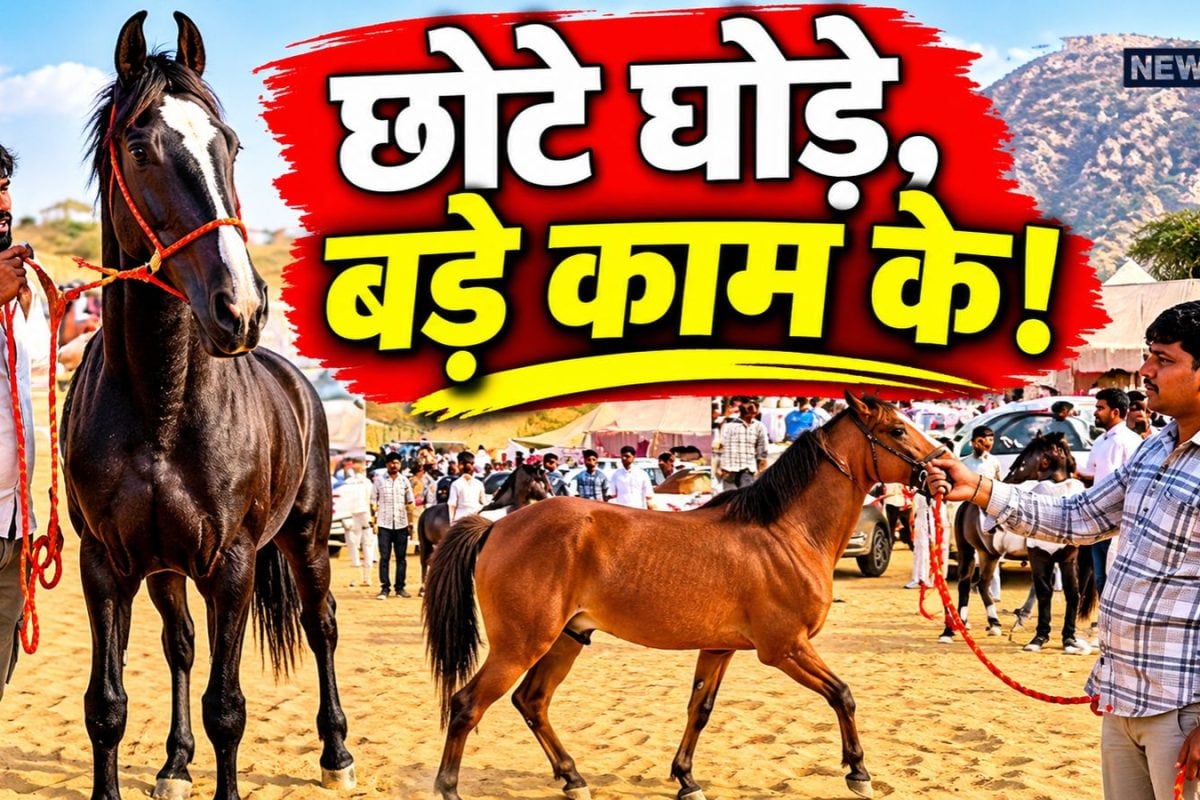
In a groundbreaking development at the historic International Pushkar Fair, the Department of Animal Husbandry organized the novel 'Two-Teeth' horse competition at the newly established fairgrounds. This specialized contest brought together high-caliber equine specimens from across the nation, drawing more than 52 registered horse breeders from various states. The event marks a significant evolution in traditional livestock showcases by specifically focusing on young horses entering their breeding prime.
The Pushkar Fair has long been celebrated globally as one of the largest livestock congregations, but the introduction of the two-teeth category introduces a targeted effort towards preserving and enhancing indigenous equine genetics. The term 'two-teeth' refers to young horses that have shed their first pair of milk teeth, indicating an optimal stage of physical development and biological maturity. Breeders of renowned Marwari and Kathiawari lines have gathered to demonstrate how early-stage care directly influences future breeding efficacy.
Beyond mere aesthetic charm or racing prowess, the underlying driver of this competition remains the colossal economic potential of superior equine genetics. Marwari and Kathiawari horses evaluated during this event serve as the foundation for future pedigree lines, with their semen fetching astronomical sums running into lakhs of rupees in the commercial market. The presence of more than 52 high-grade entries underscores the lucrative nature of high-tech equine breeding in modern rural economies.
Detailing the operational framework of the competition, Dr. Naveen Parihar, Joint Director of the Department of Animal Husbandry, explained that a specialized panel of expert judges was deployed to meticulously inspect each participant. Dr. Parihar emphasized that the evaluation criteria extended far beyond superficial traits, scrutinizing pure breed lineage, structural health, overall grooming, and the individual temperament or personality of each horse.
The ripple effects of this high-profile competition extend deeply into the regional agricultural economy, including districts like Kotputli-Behror and surrounding rural belts across Rajasthan. Livestock keepers and equine enthusiasts from neighboring areas stand to benefit immensely from exposure to superior breeding protocols and direct commercial networking, elevating local animal husbandry standards to international benchmarks.
The administrative management by the Department of Animal Husbandry has set a precedent for institutional oversight in traditional livestock fairs. By digitizing registration processes, enforcing strict health protocols, and structuring formal evaluation panels under senior leadership like Dr. Naveen Parihar, the department aims to create an organized ecosystem for native horse conservation.
Looking forward, event organizers and equine experts anticipate that the success of this inaugural two-teeth competition will pave the way for expanded breeding programs and increased financial investments in indigenous horse lines. As the International Pushkar Fair continues its schedule, public expectations remain high for continued policy support and advanced veterinary infrastructure to sustain Rajasthan's legendary equine heritage.
