
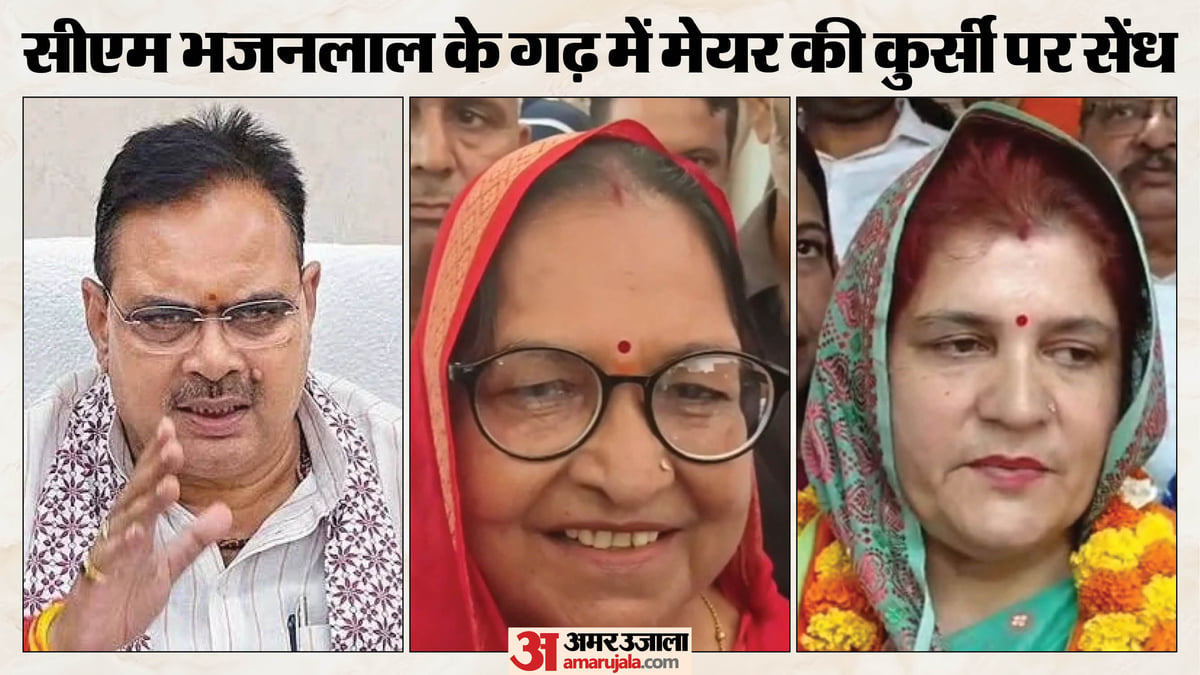
The political arena in Bharatpur is currently witnessing an intense contest for the prestigious mayoral position, marking a dramatic shift in local power dynamics. Independent councillor Vichitra Singh has officially stepped into the arena, posing a formidable and unexpected challenge to the Bharatiya Janata Party. This high-stakes electoral battle has captured the attention of political observers across the region, transforming what was once perceived as a straightforward contest into a gripping political contest.
Delving into the background of this developing political narrative, Vichitra Singh holds a prominent position in local governance as the wife of former mayor Shiv Singh Bhont. The legacy and administrative experience associated with her family background provide her with a distinct footing in municipal affairs. Over the years, the political influence wielded by the family has played a crucial role in shaping local urban governance within Bharatpur, laying the groundwork for this current electoral showdown.
As the election proceedings advance, the arithmetic of the municipal corporation has grown increasingly complex with the entry of independent candidates. While the Bharatiya Janata Party attempts to consolidate its organizational strength and secure the mayoral chair, the entry of independent contenders threatens to fracture traditional voting blocs. The tactical maneuvering on the ground reflects the high stakes involved in capturing the leadership of the civic body, which oversees critical urban infrastructure and administrative policies.
Adding another layer of intrigue to the electoral equation, Vichitra Singh has openly claimed the backing and support of the Congress party. This strategic alignment, whether formal or tactical, has the potential to alter the balance of power significantly within the municipal council. Political analysts note that such cross-party developments often materialize when local dynamics outweigh rigid party lines, forcing major political organizations to recalibrate their strategies.
The ripples of this high-profile civic contest extend beyond the immediate boundaries of Bharatpur, drawing attention from neighboring districts and regional political observers. Local residents and community stakeholders are closely monitoring how this triangular or multi-cornered contest will ultimately influence municipal service delivery, urban development projects, and civic administration in the coming years. The outcome of this election is expected to set a precedent for future local body elections across the state.
Administrative machinery and election authorities are maintaining strict vigilance over the unfolding political developments to ensure a transparent, fair, and orderly electoral process. Statutory oversight committees are reviewing compliance with local municipal election codes, ensuring that all campaigning activities adhere strictly to established legal frameworks. Officials have emphasized the importance of maintaining public order and ensuring that the democratic process proceeds without interruption.
Looking toward the immediate future, the timeline for the mayoral election is set to accelerate as parties and independent candidates finalize their strategies and coalition-building efforts. The coming days will be critical as horse-trading concerns are addressed and council members solidify their alliances ahead of the final vote. Public expectations remain high for transparent governance and effective leadership that can address the pressing urban development needs of Bharatpur.