
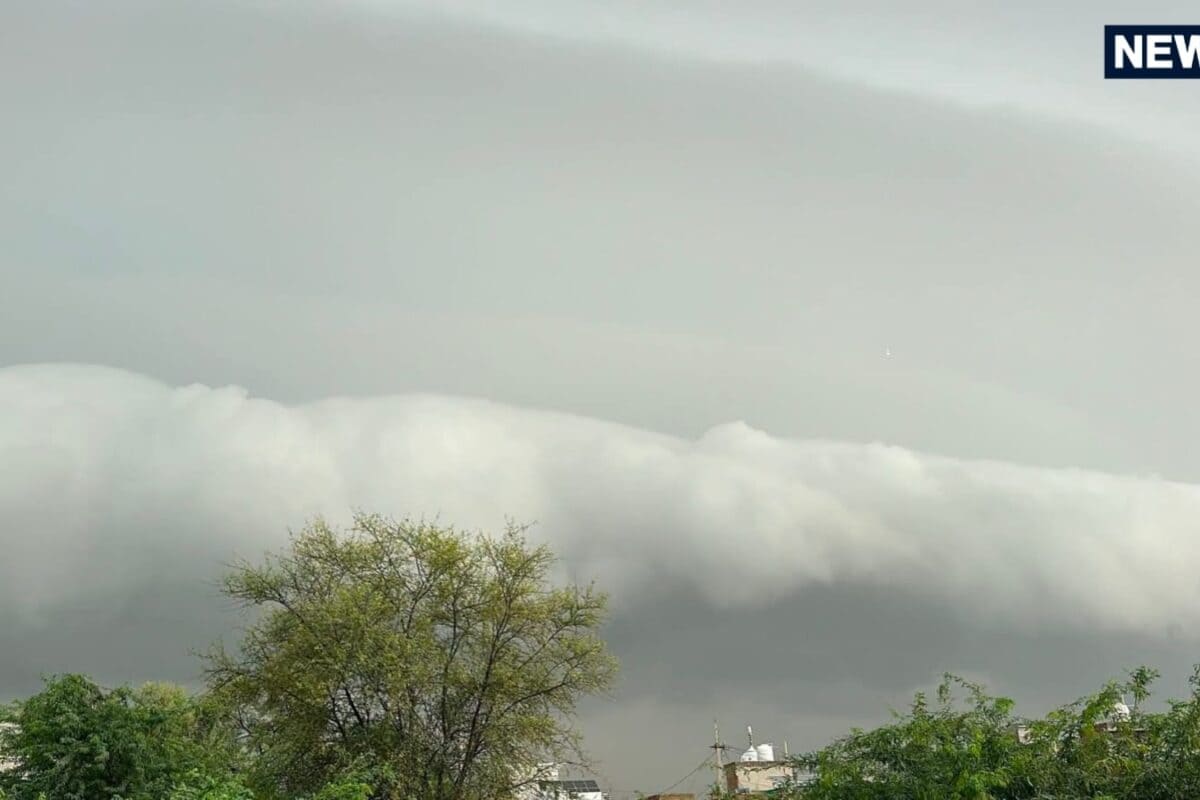
On 10 September the India Meteorological Department (IMD) issued an update indicating that the monsoon over Rajasthan remains weak, with the majority of the state expected to experience dry weather and no significant rain spells. The forecast highlighted that Shri Ganganagar recorded a maximum temperature of 39.4 °C, underscoring the intensity of the heat wave that currently grips the north‑western fringe of the state.
Rajasthan’s monsoon season traditionally arrives in early June and peaks in July, delivering the bulk of the annual rainfall that sustains its largely agrarian economy. Over the past decade, the state has witnessed considerable inter‑annual variability, with some years seeing delayed onset and others experiencing prolonged dry spells. The present weakness mirrors a broader pattern of uneven monsoon distribution across the Indian subcontinent, where coastal depressions often dictate inland precipitation.
The IMD’s latest model shows a nascent low‑pressure area forming on 11 September over the Bay of Bengal, specifically between northern Andhra Pradesh and the southern coast of Odisha. This system is expected to drift northwestward, bringing its outer rain bands into eastern Rajasthan. Consequently, districts such as Bharatpur, Jaipur and parts of the Kota division may see light to moderate showers from 11 September onward. The agency also projects an escalation of rain activity between 12 and 15 September across Jaipur, Bharatpur, Kota, Udaipur and Ajmer, with the possibility of moderate to heavy rain on 13‑14 September in the Kota region. Western Rajasthan may experience isolated light showers during the same window.
State officials and agricultural advisers have cautioned that even modest rainfall could provide much‑needed relief to heat‑stressed crops, particularly mustard and wheat in the northern belt. Farmers in the Kotputli‑Behror district, who have been grappling with soaring temperatures, are closely monitoring the forecast, hoping that the anticipated showers will replenish shallow groundwater and reduce irrigation costs. Market traders anticipate a modest uptick in vegetable prices if the rain proves insufficient, while health workers warn of heightened heat‑related illnesses if the dry spell persists.
For Kotputli‑Behror, the immediate impact of the weak monsoon is two‑fold. First, the prolonged heat threatens the viability of rain‑fed agriculture, which accounts for a sizable share of the district’s income. Second, the scarcity of rain has strained municipal water supplies, prompting residents to rely on tankers and bore‑well water, thereby increasing household expenditures. The district’s industrial units, especially those involved in textiles and ceramics, also face operational challenges due to elevated ambient temperatures and reduced humidity.
The Rajasthan state government, through the Department of Disaster Management and the Water Resources Department, has activated contingency plans. These include the pre‑positioning of water tankers, the issuance of heat‑wave advisories, and the mobilisation of agricultural extension officers to disseminate water‑conservation techniques. The IMD has been tasked with providing daily updates, while the state’s climate cell is preparing to issue crop‑insurance alerts should the forecasted rains fail to materialise.
Looking ahead, the IMD expects the low‑pressure system to weaken by 15 September, after which the probability of further rain diminishes. Residents are advised to stay informed through official bulletins, conserve water, and adopt heat‑mitigation measures such as wearing light clothing and avoiding outdoor activities during peak sun hours. The coming weeks will be critical in determining whether the brief spell of rain can offset the cumulative stress inflicted by the lingering heat wave.