
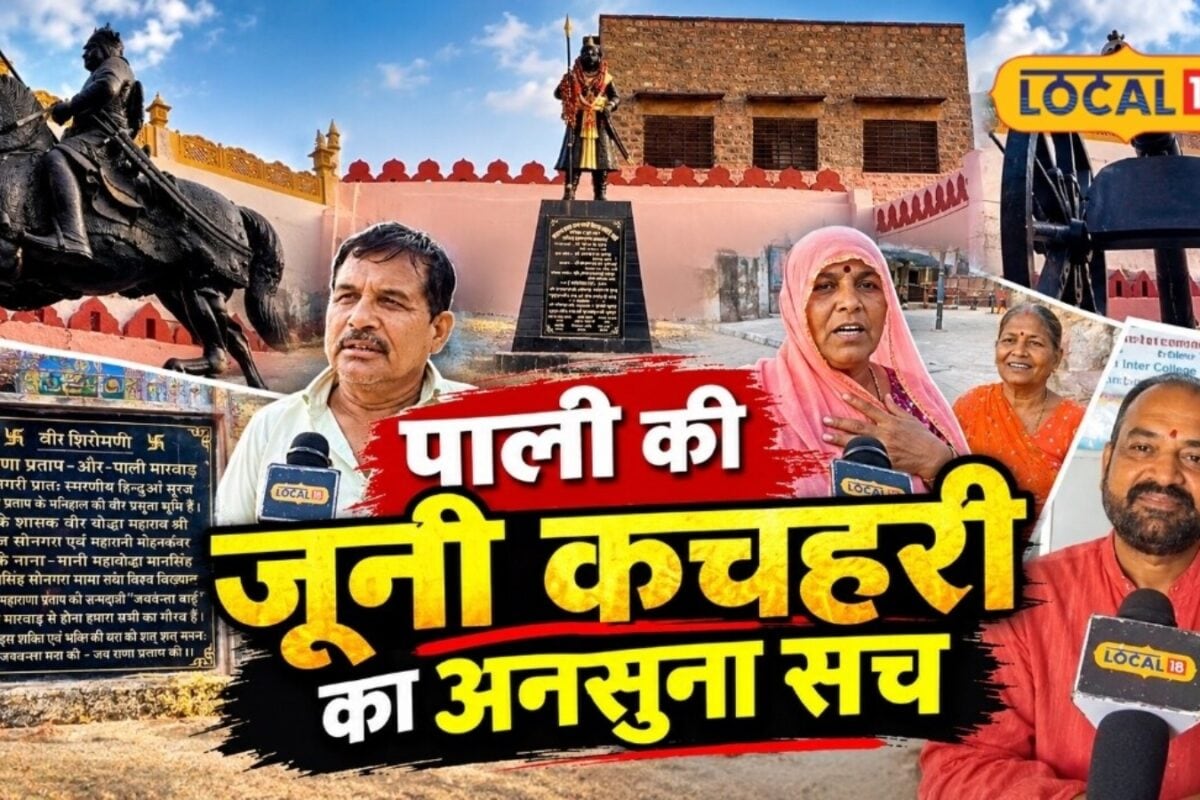
An enduring historical debate continues to engage scholars, history enthusiasts, and local communities regarding the precise birthplace of the revered warrior king, Maharana Pratap. While official historical archives and written records predominantly cite the historic Kumbhalgarh Fort as his place of birth, deeply ingrained local traditions and oral folklore in Pali firmly hold that the great ruler was born at his maternal home (nanihaal) in Pali. This dual narrative reflects a fascinating interplay between documented historiography and cherished cultural memory across the region.
The historical context surrounding Maharana Pratap's early life remains a subject of great significance in the cultural narrative of Rajasthan. According to widely accepted historical documentation, Kumbhalgarh Fort stands as the fortified stronghold associated with his birth and early upbringing. However, regional heritage accounts and local tradition in Pali offer an alternative perspective, asserting that custom dictated royal births often occurred at the mother's ancestral residence. This long-standing tradition in Pali has been passed down through generations, creating a rich tapestry of local pride anchored to his maternal home.
The distinction between written history and oral tradition highlights the complexities inherent in preserving regional history. In Kumbhalgarh, the physical monument and documented chronicles provide tangible evidence cited by historians and researchers worldwide. Conversely, in Pali, the legacy is sustained through cultural practices, local narratives, and centuries-old community beliefs that emphasize the emotional and genealogical link to Maharana Pratap's maternal lineage. Both places remain deeply revered by followers and scholars seeking to understand the complete life story of the iconic monarch.
Stakeholders, including local residents, cultural historians, and community leaders, view both locations as integral chapters in the broader narrative of Maharana Pratap's life. Community members in Pali emphasize that oral history and traditional customs hold profound historical value that complements formal documentation. Meanwhile, advocates for Kumbhalgarh point to established textual references as the definitive historical baseline. This ongoing dialogue demonstrates how historical figures continue to shape local identities and foster deep connections across different geographical landscapes in Rajasthan.
The cultural resonance of this debate extends far beyond Kumbhalgarh and Pali, influencing historical discourse and heritage preservation efforts across neighboring regions, including the Kotputli-Behror district. The enduring legacy of Maharana Pratap inspires local cultural institutions, educational discussions, and community gatherings, highlighting the pervasive impact of his history on the broader societal consciousness of Rajasthan. The pride associated with his legacy serves as a unifying thread that links diverse towns and rural areas through shared historical reverence.
Administrative and historical bodies continue to focus on preserving all sites connected to Maharana Pratap, ensuring that both documented forts and traditionally recognized heritage locations receive appropriate maintenance and scholarly attention. Official heritage frameworks aim to respect both verified archival records and valuable local traditions, providing balanced educational resources for visitors and future generations interested in the region's royal history.
Looking forward, the coexistence of historical records identifying Kumbhalgarh Fort and local beliefs designating Pali as the birth site underscores the multi-faceted nature of historical memory. As efforts to document and preserve regional history continue, both Kumbhalgarh Fort and Pali remain essential symbols of pride, inviting ongoing study, cultural appreciation, and respectful remembrance of Maharana Pratap's extraordinary historic legacy.
