
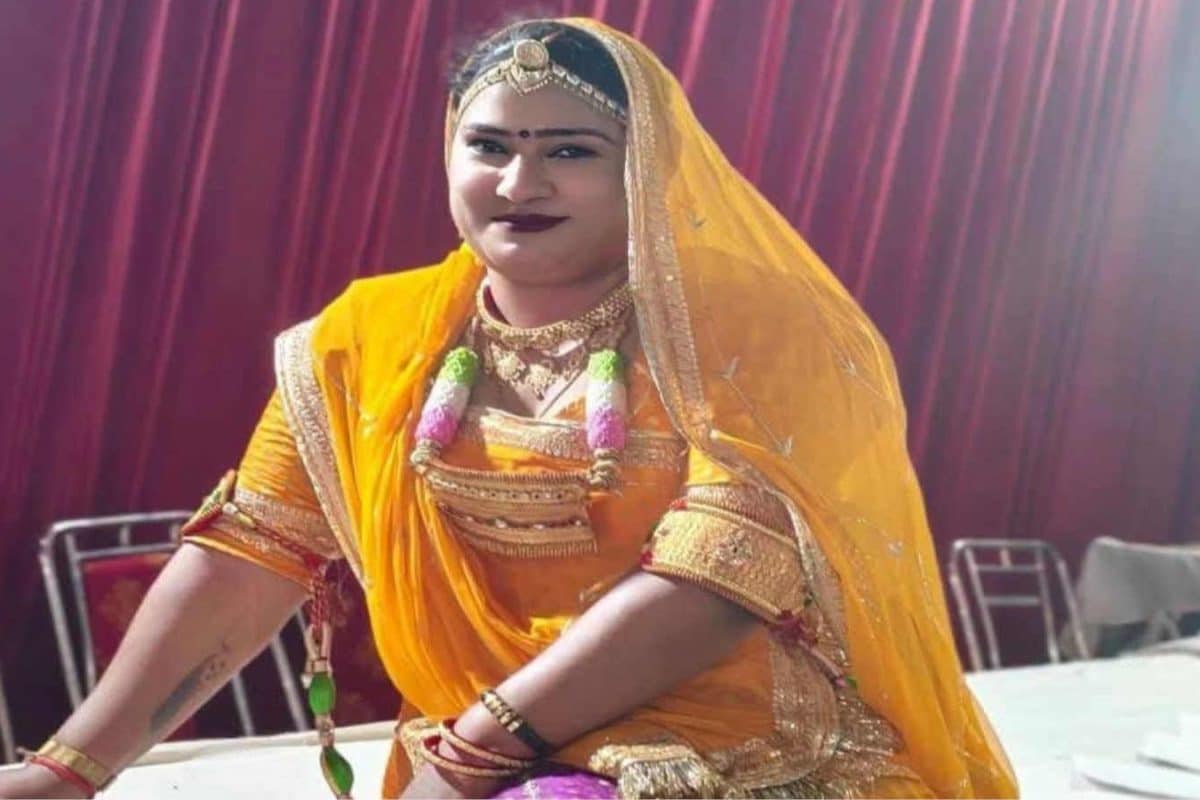
In a watershed moment for local governance and representation in Rajasthan, Manisha Bai from the transgender community has secured a historic victory in the fourth phase of the Rajasthan Panchayat Elections 2026, assuming the office of Sarpanch for the Kushalpura Gram Panchayat located in the Beawar district. This remarkable electoral success has broken long-standing social barriers, drawing immense praise and widespread attention across the entire district and setting a progressive precedent for democratic participation in rural grassroots bodies.
The electoral contest in Kushalpura was marked by intense local engagement, reflecting the evolving sociopolitical landscape of rural Rajasthan. Panchayat elections serve as the foundational bedrock of Indian democracy, and the ascension of marginalized communities to leadership roles signifies a profound shift in community acceptance and political empowerment. The fourth phase of voting concluded all stages of polling for the current electoral cycle, marking the completion of an extensive grassroots democratic exercise across the region.
Demonstrating undeniable electoral strength and deep-rooted public support, Manisha Bai clinched the Sarpanch position by a decisive margin of 301 votes over her nearest competitors. This specific statistical mandate underscores the substantial trust placed in her leadership by the electorate of Kushalpura Gram Panchayat. The margin of 301 votes is being viewed by political analysts as a clear indication of a broad-based mandate transcending traditional societal prejudices within the rural constituency.
Local citizens, community representatives, and regional observers have voiced profound optimism following the announcement of the election results. The victory has sparked celebratory discussions throughout Beawar district, with residents highlighting the importance of inclusive leadership and administrative transparency at the village level. Stakeholders emphasize that this outcome reflects a progressive maturation of rural voters, prioritizing developmental agendas and community welfare above antiquated biases.
The broader geographical and administrative implications of this electoral milestone resonate throughout the surrounding regions, including districts like Kotputli-Behror, where rural development and local governance remain central to administrative discourse. The successful integration of diverse community leaders into the formal Panchayati Raj framework strengthens the democratic fabric and encourages broader civic participation among historically underrepresented demographics across the state of Rajasthan.
As the administrative apparatus prepares for the subsequent phases of the electoral process, district authorities are maintaining rigorous oversight to ensure a smooth transition of power and orderly electoral administration. The State Election Commission and local district functionaries in Beawar are managing the procedural requirements necessary to operationalize the newly elected panchayat leadership while keeping administrative protocols intact.
Looking ahead, the formal commencement of administrative duties by the newly elected Sarpanch will begin following the conclusion of all related electoral formalities. Attention now shifts toward the upcoming administrative milestone scheduled for November 20, when the votes for district council chiefs and panchayat committee members will be officially counted, bringing the comprehensive 2026 panchayat election cycle to its ultimate completion.
