
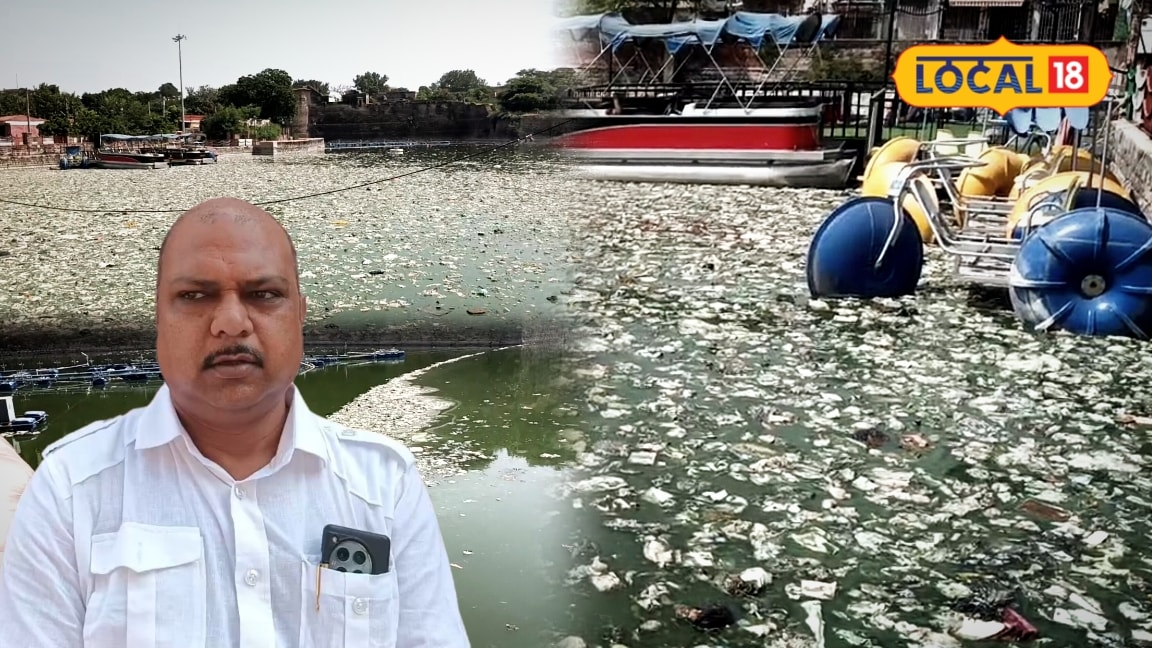
The historic Sujan Ganga Canal, situated in the heart of Bharatpur, is currently grappling with severe neglect, widespread garbage accumulation, and escalating administrative apathy. Once celebrated as the lifeline of the city for water supply and the formidable defensive shield of the Bharatpur fort, this ancient water body has transformed into a site of environmental degradation. Piles of accumulated waste now contaminate the crucial waters, threatening the ecological balance of the immediate area and stripping the historical monument of its lost grandeur.
Historically, the Sujan Ganga Canal played a monumental role in safeguarding the region from external invasions. Serving as a massive moat around the legendary Bharatpur fort, it successfully deterred enemies during historic sieges while simultaneously fulfilling the daily hydration and agrarian needs of the urban settlement. This dual utility as a defensive fortification and an infrastructural lifeline cemented its status as an architectural marvel of its time, drawing admiration from historians and visitors alike.
However, the current ground reality presents a stark and distressing contrast to its glorious past. Recent inspections and local reports reveal that extensive stretches of the canal are choked with municipal refuse, plastic waste, and organic debris, turning flowing waters into stagnant pools of contamination. Furthermore, multiple vulnerable segments of the canal lack essential protective boundary walls, posing an immediate and severe safety hazard to pedestrians, children, and elderly residents navigating the adjacent pathways.
Voicing deep anguish over the deteriorating conditions, local residents and heritage enthusiasts have expressed widespread frustration regarding the persistent inaction of local municipal authorities. Community representatives point out that despite repeated appeals submitted to urban governance bodies, comprehensive cleanliness drives and infrastructural reinforcement initiatives remain conspicuously absent. Citizens emphasize that leaving such a vital historical asset unprotected and polluted reflects a profound disregard for regional heritage.
The ongoing degradation of the Sujan Ganga Canal carries considerable repercussions for the broader community identity and regional tourism landscape of Bharatpur. As visitors witness the mounting garbage and neglected infrastructure, the cultural reputation of the historic destination suffers immensely. Local traders and residents note that restoring the canal is not merely an environmental necessity but a fundamental obligation to preserve the socio-cultural fabric tied to the legacy of the Bharatpur fort.
Responding to mounting public pressure, local administrative bodies face intense scrutiny regarding their accountability in maintaining municipal and historical infrastructure. While civic authorities occasionally acknowledge the sanitation challenges, concrete and sustained remediation protocols are yet to be executed effectively. Observers argue that ad-hoc cleaning efforts are grossly insufficient to address the systemic pollution affecting the entirety of the canal network.
Looking forward, citizens, environmental advocates, and community leaders demand a time-bound, comprehensive action plan from the administration. The proposed roadmap insists on immediate mechanical dredging, strict enforcement of waste-dumping prohibitions, and the immediate construction of robust security walls along all hazardous peripheries. Preserving the Sujan Ganga Canal requires unwavering administrative commitment to ensure that this glorious symbol of Bharatpur survives for future generations.
