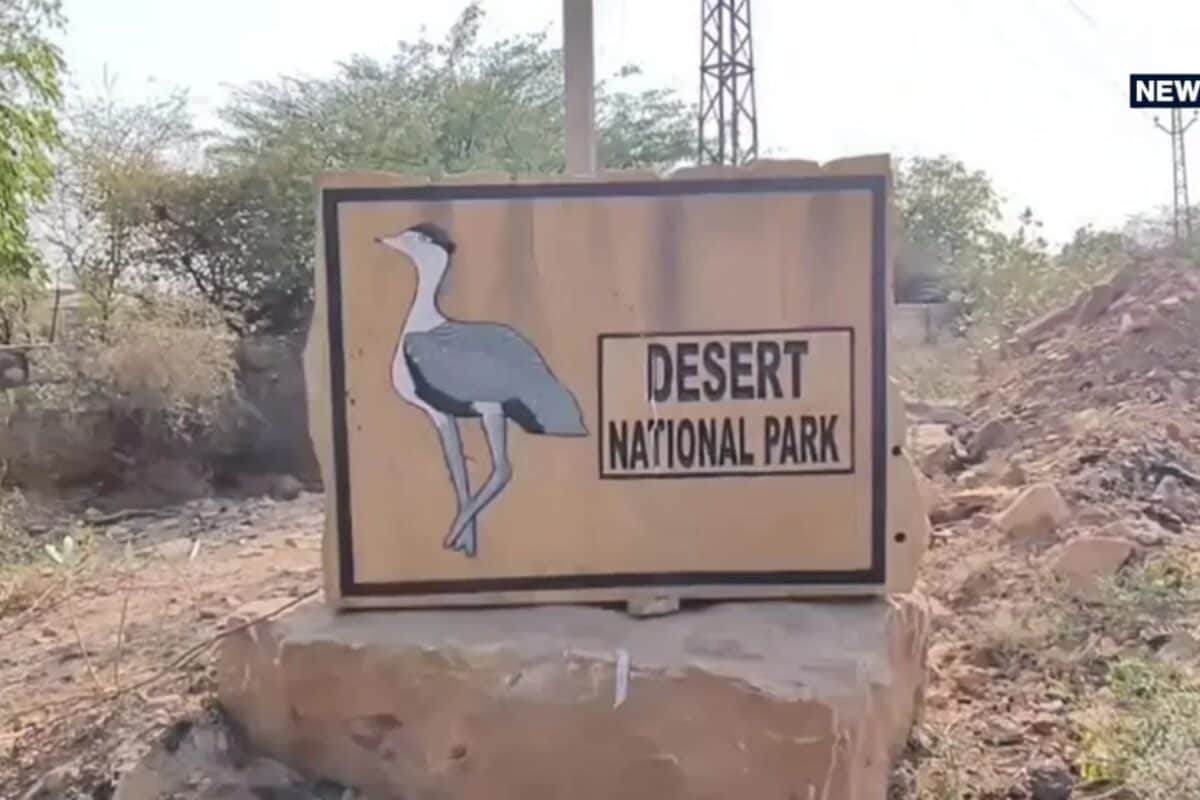
In a landmark development for wildlife conservation in India, the state bird of Rajasthan, the Great Indian Bustard, is set to be transitioned from artificial conservation centers into its natural habitat. For the very first time, specimens raised within the specialized breeding center at Sudasari in Jaisalmer will take their first flights under the open sky. This monumental ecological event highlights the shifting paradigm in endangered species management, moving from captive protection toward fully integrated wild reintegration.
The historical significance of this event is underscored by the presence of Union Minister Bhupender Yadav, who will personally witness this watershed moment for Indian ornithology. The Great Indian Bustard, critically endangered and facing severe population pressures across its remaining native ranges, represents a flagship species for arid ecosystem preservation. Decades of habitat degradation, agricultural expansion, and infrastructural development have pushed these magnificent birds to the precipice of extinction, making captive breeding and subsequent controlled release an absolute necessity for species survival.
Addressing the logistical and operational realities of this ambitious rewilding initiative, wildlife authorities have instituted stringent protocols to ensure the safety and survival of the released birds. Prior to their liberation into the vast expanses of Sudasari, the Great Indian Bustards were housed within specially constructed training tunnels for a duration of two to three months. This rigorous conditioning period was meticulously designed to instill natural foraging instincts, predator avoidance behaviors, and flight capabilities necessary for survival in the harsh desert environment.
Furthermore, recognizing the severe mortality risks posed by regional infrastructure, comprehensive technological safeguards have been deployed. Each released bird is equipped with advanced GPS tracking technology, enabling continuous monitoring 24 hours a day. This round-the-clock surveillance system is specifically calibrated to track movement patterns and alert conservation teams if the birds venture dangerously close to known environmental hazards, most notably the high-tension electrical power transmission lines that have historically been a leading cause of avian mortality in the Thar desert region.
While the immediate action unfolds in the arid landscapes of Jaisalmer and its surrounding conservation zones in Rajasthan, the broader implications of successful bustard rehabilitation resonate deeply across ecologically sensitive districts, including Kotputli-Behror. Regional biodiversity management frameworks across the state are increasingly aligning with scientific preservation methodologies, fostering a heightened public awareness regarding the protection of indigenous fauna and fragile natural ecosystems against rapid commercial encroachment.
Administrative oversight and scientific collaboration have formed the backbone of this complex conservation undertaking. Forest department officials, wildlife biologists, and central government representatives have worked in tandem to establish protocols that balance ecological restoration with infrastructural realities. The meticulous planning involved in the Sudasari initiative serves as a blueprint for future endangered species recovery programs throughout the country, demonstrating that targeted financial investment and rigorous monitoring can yield tangible preservation outcomes.
Looking toward the future, the successful integration of these captive-bred birds into the wild opens new horizons for biodiversity restoration in Rajasthan. Conservationists and administrators remain cautiously optimistic as the 24-hour GPS tracking network begins transmitting real-time ecological data. As these birds navigate the open skies of Sudasari under the watchful eyes of researchers, the initiative stands as a testament to dedicated conservation resolve and offers renewed hope for the enduring survival of India's most iconic grassland avian species.