
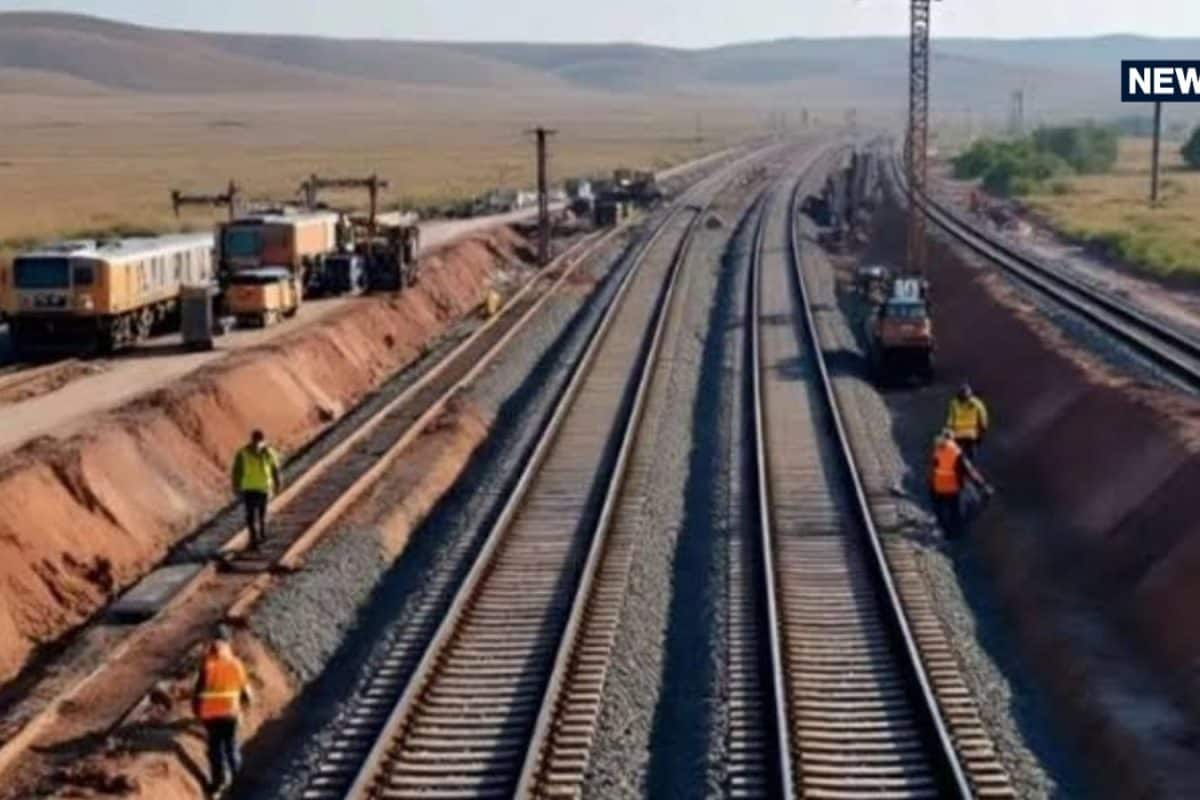
In a major developmental push for the railway network in Rajasthan, the ambitious conversion of the historic British-era rail line has gained immense momentum. This strategic undertaking focuses on the comprehensive gauge conversion connecting Mavli Junction and Marwar Junction, aiming to modernize the archaic transportation framework of the region. By transforming this critical corridor into a modern broad-gauge route, authorities are setting the stage for unprecedented regional connectivity, economic revitalization, and seamless passenger movement across western and southern parts of the state.
Historically, the antiquated rail network served as a vital artery for colonial and early post-independence trade and transit, yet it remained constrained by narrow-gauge limitations for decades. As transportation demands multiplied with rapid industrialization and urban expansion, the legacy route struggled to meet modern logistical requirements. Recognizing the urgent necessity to bridge historical infrastructural gaps, the central government and the Ministry of Railways prioritized this overhaul to integrate isolated pockets into the national mainstream railway grid, unlocking immense socio-economic potential for future generations.
The execution of this monumental infrastructure project has been systematically divided into distinct phases to ensure meticulous engineering and timely delivery. In the crucial first phase of the development, construction on the 82 to 85 kilometer rail section stretching from Nathdwara to Deogarh Madaria has crossed significant milestones, with more than 95 percent of the structural work already completed. A massive financial outlay of 969 crore rupees has been explicitly earmarked and deployed for this segment to guarantee top-tier infrastructural standards, modern signaling systems, and robust track durability under diverse geographical conditions.
Stakeholders, local traders, and commuters have expressed overwhelming optimism regarding the transformative outcomes of this rail modernization initiative. Industrialists operating within the prominent marble and granite sectors anticipate a quantum leap in commercial productivity and distribution efficiency, as direct railway access will drastically minimize road transit bottlenecks. Additionally, representatives from the tourism sector emphasize that improved connectivity between cultural hubs will attract a higher influx of domestic and international travelers, thereby generating widespread employment and economic vibrancy across local communities.
While the primary geographical beneficiaries lie along the immediate alignment connecting Mewar and Marwar, the broader economic ripples extend across neighboring administrative zones, including areas proximate to Kotputli-Behror. Enhanced freight corridors and efficient passenger movement directly contribute to optimized supply chains, lowering overall logistical expenditures for regional manufacturing units and agricultural producers alike. Such inter-district commercial synergies are widely regarded by economists as vital catalysts for balanced regional growth and sustained industrial competitiveness throughout the state.
Administrative oversight and statutory approvals are progressing in strict alignment with scheduled timelines under the direct purview of the Ministry of Railways. In the subsequent second phase of the project, covering the 72 to 75 kilometer rail section from Deogarh Madaria to Marwar Junction, the final location survey has already received formal clearance from the Ministry of Railways. Engineering teams and administrative authorities are coordinating closely to resolve logistical challenges, land acquisition formalities, and environmental clearances required for the seamless continuation of construction activities.
Looking ahead, the successful completion of the entire broad-gauge corridor promises to drastically shrink geographical distances and temporal barriers for daily commuters and long-distance travelers alike. Most notably, the project is projected to slash the arduous train travel time between Udaipur and Jodhpur from approximately 7 hours down to just 4 hours. As construction accelerates toward its final milestones, public expectations remain high for an era of modernized, safe, and efficient rail travel that honors the historical legacy of the route while embracing future technological advancements.
