
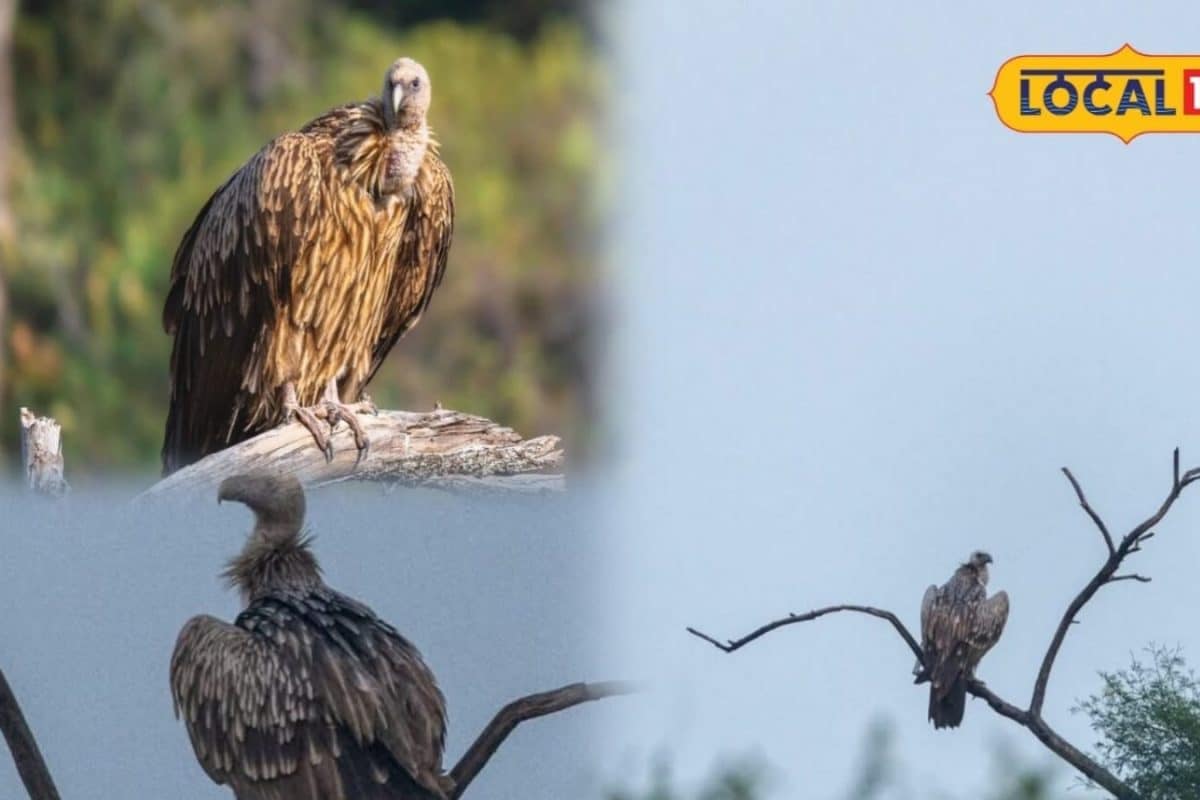
With the onset of the winter season, the world-famous Keoladeo National Park in Bharatpur has witnessed a remarkable surge in the arrival of migratory birds, transforming the wetland into a vibrant sanctuary of avian life. Amidst this seasonal influx, wildlife enthusiasts and ornithologists have reported the notable sighting of the majestic Himalayan Griffon vulture. This impressive development has instantly elevated the conservation significance of the park, drawing considerable attention from bird lovers across the region who are eager to observe these rare avian visitors in their natural habitat.
The Himalayan Griffon is fundamentally characterized by its exceptionally large wingspans, robust physical structure, and a distinctively hooked beak designed for tearing flesh. Capable of undertaking remarkably long-distance flights across difficult mountainous and plains terrains, these formidable birds possess physiological traits uniquely suited for soaring high altitudes. Their appearance in the wetland ecosystem of Bharatpur underscores the vast migratory pathways that connect the high-altitude Himalayan ranges with the diverse plains of the Indian subcontinent during the colder months of the year.
From an ecological perspective, the presence of these vultures within Keoladeo carries profound implications for environmental sanitation and natural disease control. Commonly referred to as nature's sanitation workers, Himalayan Griffons perform the indispensable function of consuming the remains of dead animals found within their foraging ranges. By efficiently clearing organic debris from the ecosystem, they actively prevent the proliferation of dangerous bacterial infections and the subsequent transmission of contagious diseases that typically arise from decomposing animal carcasses.
The current sighting has generated widespread enthusiasm among the local conservation community, bird watchers, and wildlife researchers visiting the park. Stakeholders and park authorities have noted that observing such apex scavengers adds a unique dimension to the ecological monitoring of Keoladeo. Naturalists emphasize that the ecological services rendered by these magnificent birds are irreplaceable, making their protection and the preservation of their natural foraging habitats an urgent priority for wildlife management agencies operating within the sanctuary.
While the primary impact of this majestic visitor is concentrated within the boundaries of Bharatpur district, the news holds considerable resonance for wildlife enthusiasts and environmental observers in neighboring regions, including Kotputli-Behror. The broader ecological awareness generated by such sightings fosters a deeper appreciation for regional biodiversity corridors and the shared responsibility of protecting migratory species that traverse multiple administrative jurisdictions throughout their annual migration cycles.
In response to the heightened wildlife activity and the influx of winter visitors, the administrative framework governing Keoladeo National Park remains strictly focused on maintaining optimal habitat conditions and rigorous statutory oversight. Forest department officials and wildlife wardens have stepped up monitoring protocols to ensure undisturbed sanctuary conditions for both the resident fauna and the delicate balance of migrating avian species, thereby safeguarding the fragile wetland environment against anthropogenic disturbances.
Looking forward, the ongoing winter season at Keoladeo National Park is expected to yield further valuable insights into avian migration patterns and habitat utilization. Wildlife experts and conservation authorities will continue to document the movements and residency duration of the Himalayan Griffon alongside other migratory populations. Public expectations remain high that continued ecological diligence will ensure the sanctuary remains a thriving sanctuary for endangered and beneficial wildlife species for generations to come.
