
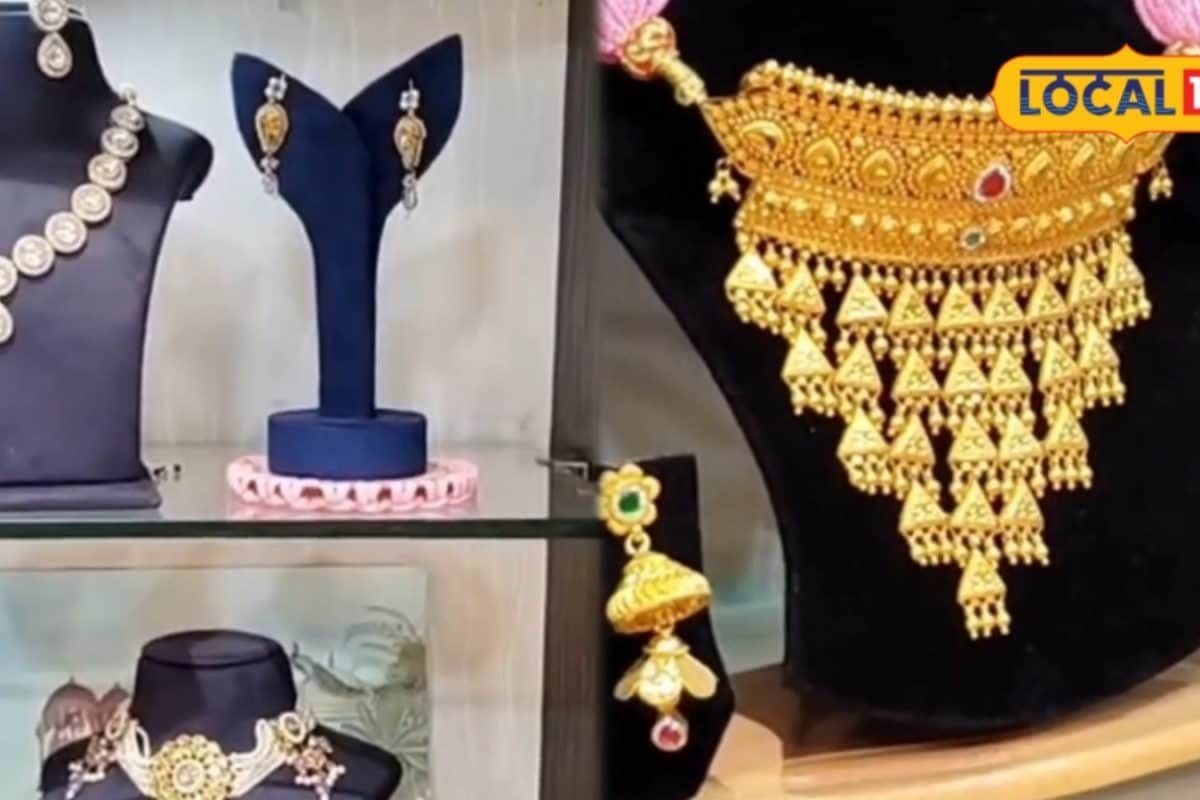
Recent investigative findings emerging from the bullion markets of Pali have exposed a deeply concerning fraudulent practice involving the adulteration of gold jewellery. Unscrupulous elements have been systematically utilizing heavy metals, specifically ruthenium, iridium, and osmium, to artificially inflate the weight of precious gold ornaments. This deceptive technique exploits the high density of these industrial elements, making them virtually indistinguishable to the naked eye when blended into traditional gold pieces during the manufacturing process.
The integration of such industrial metals into wearable personal assets represents a significant departure from established ethical practices within the precious metals industry. Historically, traditional alloying agents primarily consisted of silver and copper to enhance durability while maintaining the intrinsic value of the yellow metal. However, the introduction of dense platinum-group metals like ruthenium, iridium, and osmium introduces profound metallurgical anomalies that undermine consumer trust and market integrity.
On the ground, this manipulation of physical mass directly impacts the financial investments of ordinary citizens who purchase gold as a secure financial reserve. Consumers pay premium market rates calculated strictly by weight, unknowingly absorbing the fraction of cheaper, toxic industrial materials hidden within their ornaments. This systematic under-delivery of pure gold creates an invisible economic drain on households that rely on jewellery for liquidity and long-term security during financial emergencies.
Beyond the severe financial repercussions, medical and scientific experts have raised alarming red flags regarding the direct physiological consequences of wearing such adulterated ornaments. Continuous, prolonged dermal contact with heavy metals like ruthenium, iridium, and osmium can lead to severe dermatological complications and systemic toxicity. Most distressingly, medical research associates exposure to certain unregulated heavy metal compounds with an elevated risk of developing cancer and other debilitating chronic illnesses.
The ramifications of this bullion manipulation extend far beyond the immediate commercial boundaries of Pali, triggering widespread anxiety among communities across neighboring districts and regional trade centers. Local consumers and honest merchants alike find themselves vulnerable to the negative reputation cast upon the broader jewellery trade. Maintaining absolute transparency and uncompromised purity standards has thus become an urgent regional imperative to safeguard public health and commercial credibility.
In response to these alarming disclosures, consumer advocacy groups and trade associations are strongly urging heightened vigilance and stricter quality control protocols across all local manufacturing units. Comprehensive oversight mechanisms, including advanced spectrometer testing and hallmarking verifications, are being demanded to systematically detect and eliminate the use of unauthorized heavy metal admixtures within the supply chain.
As regulatory scrutiny intensifies, industry stakeholders anticipate the implementation of stringent statutory checks and mandatory disclosure protocols to restore absolute accountability within the market. Public awareness initiatives are also being planned to educate buyers on recognizing authentic Hallmarked jewellery and demanding verified purity certificates. The collective response aims to permanently eradicate this hazardous practice and secure the absolute well-being of every consumer.
