
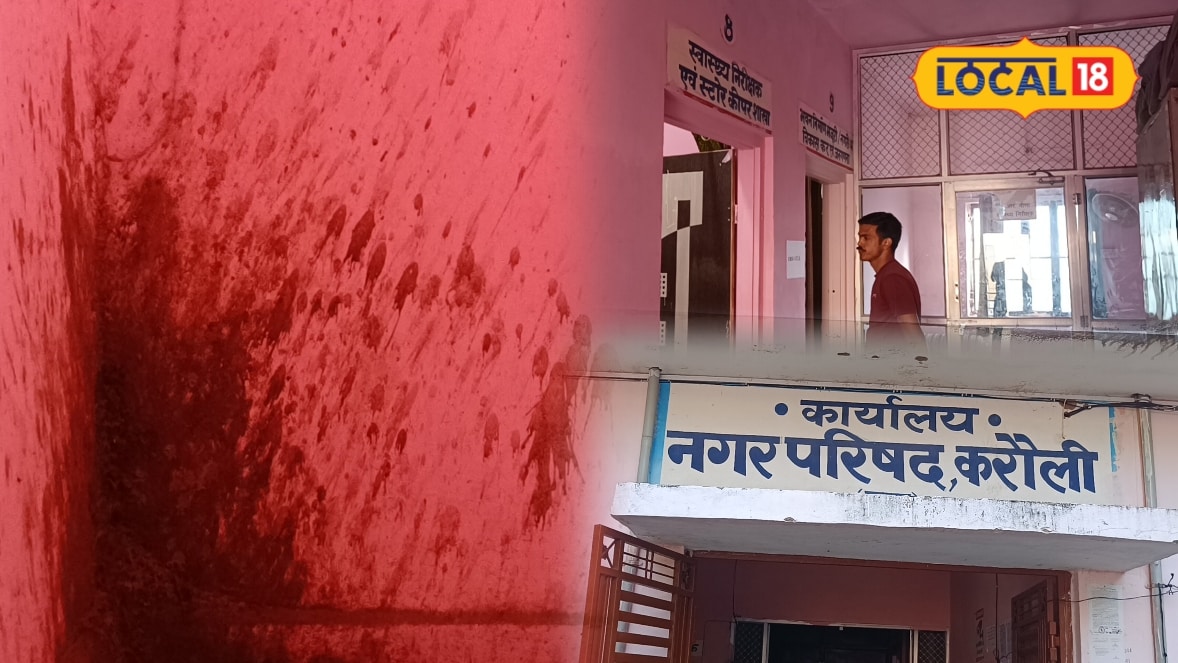
A comprehensive and alarming ground report from Karauli has exposed severe administrative apathy and deteriorating sanitation standards directly inside the sanctum of the local municipal administration. The Karauli Municipal Council office, which carries the primary responsibility of maintaining public hygiene, sanitation, and civic order throughout the city, has ironically become a glaring symbol of neglect and infrastructural decay. Visitors and citizens arriving at the civic headquarters are greeted by a dismal environment that starkly contradicts the fundamental duties mandated to the municipal body.
Historically, municipal offices across regional districts are expected to serve as exemplary models of cleanliness, discipline, and efficient governance for the entire community. However, the current reality inside the Karauli Municipal Council office narrates a tale of systemic administrative failure and institutional indifference. Over the years, a lack of regular monitoring, accountability, and stringent internal enforcement has transformed a premier public institution into a neglected facility, raising serious questions regarding the competence and commitment of local governance.
A detailed inspection of the premises reveals appalling physical conditions, including the interior walls of senior officials' chambers being heavily stained and disfigured by gutkha and tobacco spit. Furthermore, the public toilets within the municipal building have remained locked and non-functional for months, causing extreme inconvenience to visiting taxpayers, senior citizens, and civic petitioners. This striking contrast between the allocated public funds for sanitation and the miserable ground reality within the municipal office itself has triggered widespread public resentment.
Expressing deep concern over the deteriorating conditions, various local stakeholders, community leaders, and concerned citizens have voiced their outrage regarding the apathy of the administration. Observers note that when a municipal body fails to maintain basic hygiene and operational sanitary facilities within its own administrative headquarters, expecting the same institution to effectively sanitize the entire city becomes an exercise in futility. The local business community and civic activists have demanded immediate disciplinary measures against responsible personnel who treat public property with absolute disregard.
The broader implications of this administrative dysfunction extend directly to the civic welfare of the region, impacting public trust in local governance and municipal efficiency. Effective urban management requires proactive leadership, continuous monitoring, and strict enforcement of workplace ethics. The prevailing conditions in Karauli underline an urgent need for structural administrative reforms, ensuring that public offices reflect the standards of cleanliness and discipline that they are statutorily obligated to uphold in the wider community.
Responding directly to the mounting public criticism and investigative findings, Municipal Commissioner Kaluram has taken cognizance of the deplorable conditions. Commissioner Kaluram has formally acknowledged the administrative lapses and assured the public that corrective measures will be initiated without further delay. The administration has indicated that strict actions will be pursued to restore the sanctity and cleanliness of the municipal office premises, addressing both the structural sanitation failures and employee conduct.
Looking ahead, the residents and civil society groups of Karauli are maintaining a watchful eye on the municipal administration to ensure that these promised reforms are implemented swiftly and transparently. A definitive timeline for the reopening of the public toilets and the thorough cleaning of the stained office walls is eagerly awaited by the public. The ultimate success of these administrative interventions will depend entirely on consistent follow-up, stringent internal monitoring, and a renewed commitment to public accountability by the leadership of the Karauli Municipal Council.
