
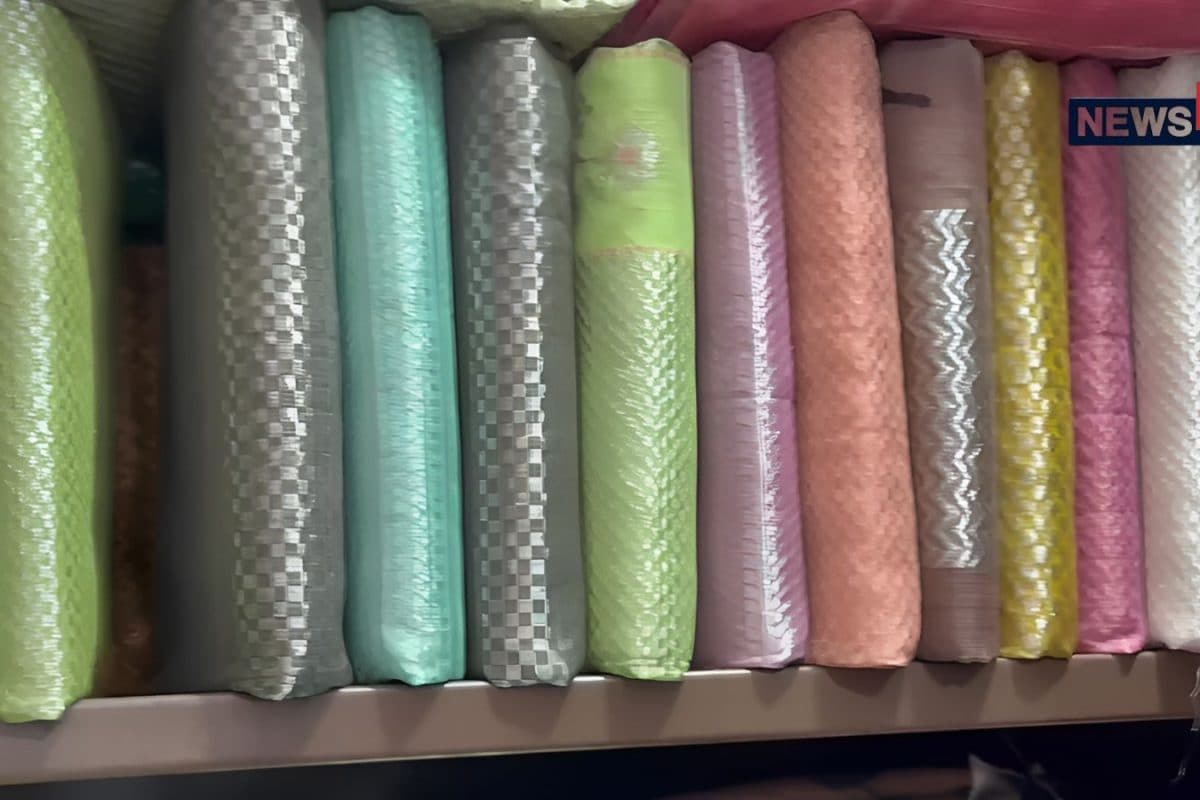
The festive season of Deepotsav has officially heralded a period of unprecedented economic vitality for traditional artisans, specifically driving a phenomenal surge in both domestic and international demand for the famed Kota Doria sarees. Originating from the historical hub of Kota and its artisan-dense town of Kaithun, this traditional handicraft has once again captured the imagination of discerning patrons worldwide. As families prepare to celebrate the festival of lights with grandeur, the market has witnessed a rush for these masterfully woven textiles, transforming the local manufacturing landscape into a 24-hour hub of intense artisanal activity and cultural pride.
Steeped in rich historical heritage, the creation of Kota Doria sarees represents a pinnacle of traditional Indian handloom craftsmanship. Recognized formally through its coveted Geographical Indication (GI) tag, this specialized weaving technique merges centuries-old motifs with meticulous geometric precision known as 'khat'. Historically patronized by royalty, the craft has evolved across generations while fiercely protecting its foundational integrity. Today, the geographical exclusivity and the unmatched authenticity symbolized by the GI tag ensure that these textiles retain their high-value status in the global textile market, distinguishing themselves from mass-produced commercial fabrics through their undeniable artistic pedigree.
The ground reality in Kaithun reflects a massive mobilization of human capital and traditional machinery, where over nine thousand handlooms are operating ceaselessly, day and night, to fulfill the overwhelming volume of festive orders. Weavers, possessing generational mastery over their craft, are engaged in an intricate labor of love that requires astonishing levels of patience and precision. Depending on the complexity of the design, the inclusion of delicate silk and cotton yarns, and the incorporation of genuine gold and silver threads into the border and pallu, crafting a single saree demands anywhere from fifteen days to three continuous months of dedicated handwork by skilled artisans.
Reflecting the exclusivity of the raw materials and the extraordinary man-hours invested, the market pricing of these GI-tagged masterpieces varies significantly, ranging from ten thousand rupees to an astounding three lakh rupees for the most elaborate bespoke creations. This wide pricing spectrum caters to diverse consumer segments while establishing the saree as a luxury ethnic garment. Local cooperative leaders, trader associations, and master weavers note that this year's seasonal demand has drastically surpassed previous benchmarks, providing a much-needed financial cushion and validating the immense artistic labor invested by rural weaving communities throughout the region.
The economic ramifications of this seasonal boom extend far beyond individual household incomes, serving as a vital economic engine for the broader regional economy in Rajasthan, which includes districts like Kotputli-Behror where textile trade networks intersect. A robust annual turnover estimated between seventy and eighty crore rupees underpins the local commerce, creating direct and indirect employment for thousands of families dependent on spinning, dyeing, zari work, and marketing. The influx of festive capital directly revitalizes local markets, ensuring that liquidity reaches the grassroots level and sustains traditional artisan families through the cyclical nature of agricultural and handicraft economies.
Recognizing the immense cultural and economic value of the Kota Doria handloom sector, various administrative bodies, cooperative societies, and regional development agencies have stepped up their oversight and institutional support. Measures are actively being enforced to safeguard the authenticity of GI-tagged products, protect weavers from counterfeit market intrusions, and facilitate direct market linkages through state-sponsored exhibitions and digital e-commerce platforms. These administrative safeguards aim to ensure fair wage distribution, transparent pricing models, and strict adherence to quality standards, thereby preserving the sanctity and heritage of the craft for future generations.
Looking ahead, the long-term outlook for the Kota Doria industry remains exceptionally promising, buoyed by sustained global appreciation for sustainable, slow-fashion handloom products. As cooperative networks expand their reach and younger generations of artisans embrace modern design sensibilities while retaining traditional techniques, the sector is poised for steady growth well beyond the Deepotsav season. Stakeholders remain optimistic that continued institutional backing, combined with unwavering consumer demand for authentic, gold-and-silver adorned handlooms, will secure the economic prosperity and global prestige of Kota weavers for decades to come.
