
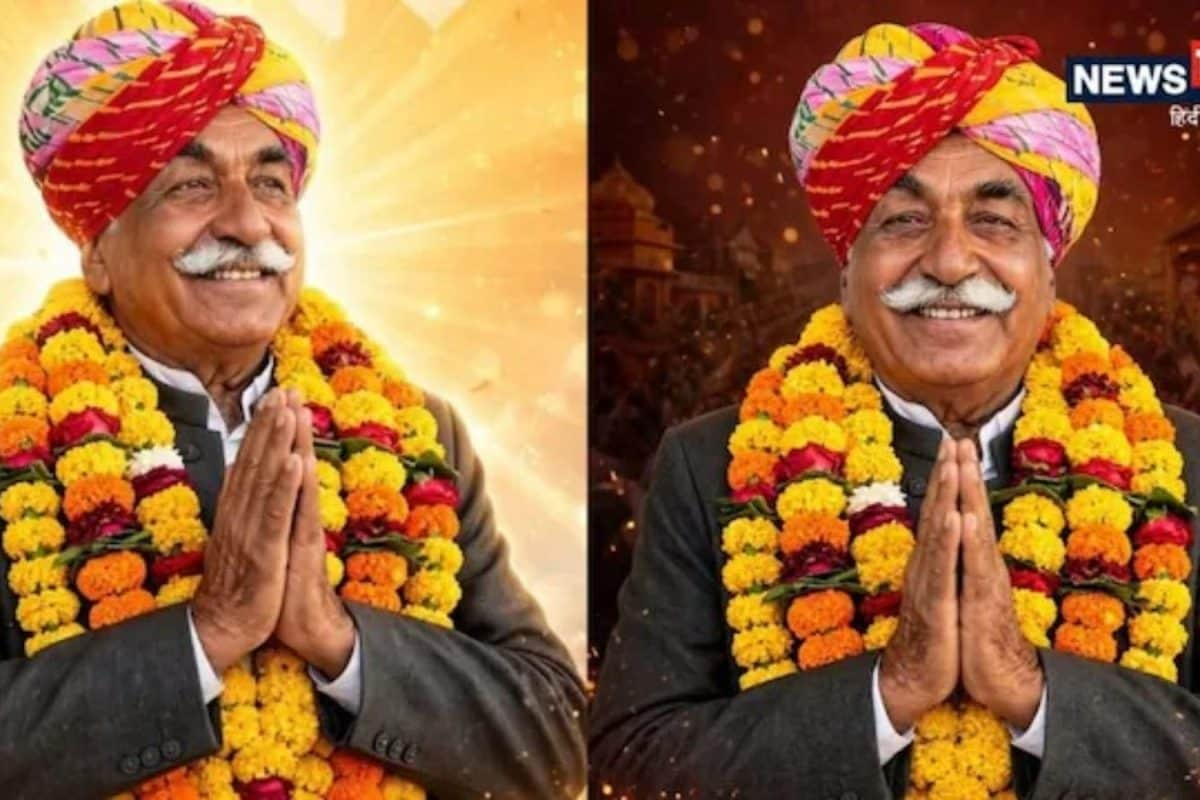
In a remarkable twist of political history bridging two nations, the influential Sodha family of Pakistan's Sindh province has forged a distinctive identity in the Barmer district of Rajasthan. Nearly five decades after migrating from Chhachhro in Pakistan to India, 77-year-old Padam Singh has achieved a historic milestone by being elected as the first sarpanch of the newly recognized Chhachhro village panchayat in Rajasthan. This remarkable transition symbolizes the resilience and enduring leadership spirit of a family that once dominated the legislative landscape of pre-partition and post-independence regions across the border.
The roots of the Sodha family's political prominence run deep into historical archives, tracing back to an era long before their migration. Padam Singh's great-grandfather, Thakur Akhiraj Singh Sodha, held a position of immense prestige and responsibility when he served as a member of the Sindh Legislative Assembly in 1937. Over subsequent decades, various other members of the Sodha family continued to occupy prominent political and administrative positions within Pakistan, cementing their legacy as public servants and community leaders.
The geopolitical landscape of the family shifted dramatically following the 1971 India-Pakistan war, a conflict that prompted numerous families to cross the international border in search of safety, stability, and a new beginning. Leaving behind their ancestral properties, political standing, and deep-rooted connections in Sindh, the Sodha family chose India as their permanent sanctuary. For approximately 50 years, they navigated the challenges of displacement and resettlement in the arid yet welcoming terrain of the Barmer district in Rajasthan.
The recent democratic exercise held on October 24 marked a triumphant chapter in this half-century-long journey of resettlement. In the fiercely contested local election for the Chhachhro village panchayat, Padam Singh emerged victorious by securing a decisive 950 votes, comfortably defeating his nearest rival, Dhana Ram, who managed to garner 612 votes. The decisive mandate reflects the deep trust and respect that the local rural populace has bestowed upon Padam Singh and his veteran family.
For the local community and the displaced diaspora residing in the western border districts of Rajasthan, this electoral outcome carries profound socio-cultural significance. The establishment of a revenue village named Chhachhro, mirroring their ancestral homeland across the border, combined with Padam Singh assuming the mantle of sarpanch, has created a powerful bridge between the past and the present. Residents view this development not merely as a local administrative victory, but as a poetic restoration of heritage and community identity.
Administrative authorities and local governance bodies have lauded the peaceful and transparent conduct of the October 24 elections. District officials have noted that the formation of the new village panchayat will significantly streamline developmental works, infrastructure projects, and welfare distribution in the region. The successful conclusion of the democratic process underscores the robust functioning of grassroots governance structures in the border areas of Rajasthan.
Looking toward the future, the newly elected sarpanch and the local populace harbor high expectations for accelerated regional development. With administrative focus now shifting toward the newly formed Chhachhro panchayat, residents anticipate improved road connectivity, better water conservation initiatives, and enhanced educational facilities. For Padam Singh and the Sodha family, this chapter represents both a fulfillment of decades of perseverance and a renewed commitment to serving the public welfare in their adopted homeland.
