
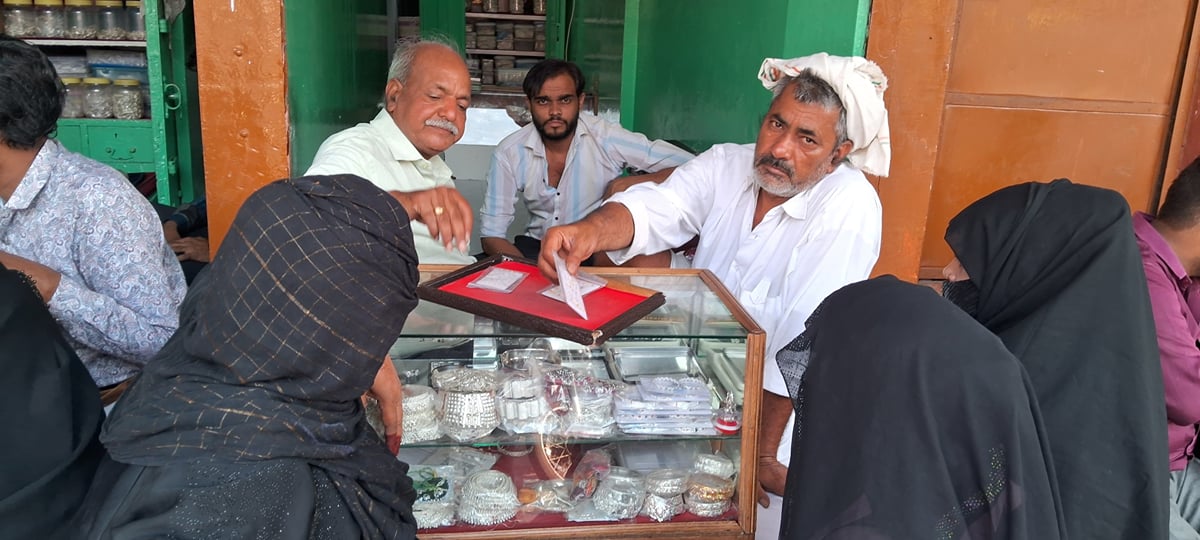
The festive season in the historical city of Jaipur has historically been synonymous with bustling markets, glittering storefronts, and a massive surge in commercial activity, particularly within the renowned Johari Bazaar. However, current market observations reveal a starkly contrasting reality where the expected influx of enthusiastic buyers remains conspicuously absent. Despite the high-spirited atmosphere typically associated with this time of the year, merchants and shopkeepers are facing unprecedented sluggishness in their day-to-day operations.
Historically, Johari Bazaar has served as the heartbeat of the region's precious metals and gemstone trade, attracting patrons from far and wide who traditionally wait for auspicious festive periods to invest in gold and silver. The historical significance and cultural roots of making precious acquisitions during this specific period have always ensured a robust economic cycle for local businesses, establishing a dependable foundation of commerce and financial growth year after year.
A critical examination of the current market dynamics highlights a paradoxical situation where gold and silver prices have actually experienced a downward trend, yet this price correction has failed to stimulate consumer demand. Standard expectations dictate that reduced prices should naturally trigger a higher volume of retail purchases and draw investors back to the bullion market. Nevertheless, despite favorable pricing metrics, the expected surge in transactions has simply not materialized across various establishments in the area.
In-depth interactions with local bullion traders and market stakeholders operating within Johari Bazaar shed light on the mounting anxieties gripping the business community. According to these seasoned merchants, the lack of consumer enthusiasm is deeply unsettling, as they had prepared extensively to cater to a massive festive rush. Representatives of the trading community emphasize that despite offering competitive pricing and attractive designs in alignment with current precious metal rates, customer engagement has remained dishearteningly low.
The economic repercussions of this festive sluggishness extend far beyond the immediate boundaries of Jaipur, casting a noticeable shadow over neighboring areas, including the Kotputli-Behror district. Local supply chains, regional artisans, and ancillary businesses that depend heavily on the steady flow of capital from Jaipur's central bullion market are beginning to feel the strain of reduced turnover and cautious consumer spending patterns throughout the broader economic ecosystem.
As concerns mount within the commercial sector, local trade associations and business representatives are continuously monitoring the situation to understand the underlying consumer hesitance. Discussions among market stakeholders are focused on identifying the root causes preventing buyers from stepping forward, even when the financial terms regarding gold and silver rates appear advantageous. The collective dialogue aims to find constructive ways to restore confidence and reinvigorate commercial activity before the festive window closes entirely.
Looking ahead, the business community remains cautiously observant, hoping that consumer sentiment will eventually shift as the festive celebrations reach their peak. Traders are adapting their marketing strategies and exploring alternative engagement methods to attract potential buyers back to the storefronts of Johari Bazaar. The ultimate outlook depends heavily on whether consumer confidence recovers sufficiently to salvage the remainder of the seasonal trading period and stabilize local economic conditions.
